


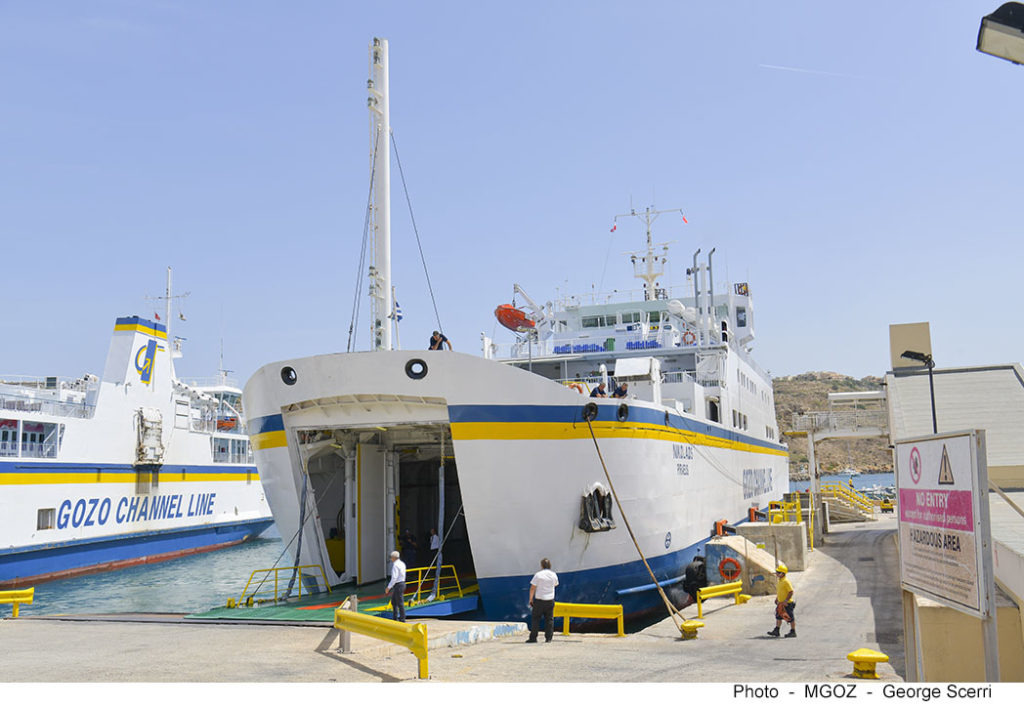
The proposal for a fifth Gozo Channel vessel dedicated entirely to cargo has reignited debate on inter-island connectivity, with the Gozo Business Chamber cautioning that while such a measure could bring benefits, it would not, on its own, address the structural challenges facing Gozo–Malta transport links.
The idea was raised earlier this week by Nationalist MP and Shadow Minister for Transport Toni Bezzina, who suggested that a study should be carried out to assess the introduction of a fifth ship focused exclusively on cargo transport between Malta and Gozo.
Reacting to the proposal, the Gozo Business Chamber confirmed to BusinessNow.mt that the concept of a dedicated cargo ferry has already been discussed in several fora. The original proposal envisaged a service departing from the south of Malta, primarily from the Malta Freeport, rather than Ċirkewwa.
The Chamber noted that Malta already operates a dedicated cargo ferry service between Ċirkewwa and Mġarr using the existing fleet. A separate cargo-only vessel, particularly one operating from the south of Malta, could reduce heavy traffic on roads leading to Ċirkewwa and limit the need for trucks to cross the island, bringing both logistical and environmental benefits.
However, it stressed that such a solution would only address part of the problem.
“This however, while being a positive solution, on its own does not solve the current issues,” the Chamber said, pointing to wider infrastructural, operational and governance challenges.
A key concern raised by the Chamber relates to infrastructure at Mġarr Harbour. Any additional ferry service would require dedicated berthing space, something which is already limited given the multiple uses of the port.
The Chamber recalled that in its Budget-related press release, it had welcomed the creation of a task force to analyse how Mġarr Harbour could be better utilised, while warning that “no meaningful improvements can occur without strong infrastructural and strategic investments in the Port of Mġarr,” adding that such investments need to also take into consideration the expansion of the port.
Beyond the port itself, the Chamber said that accessibility to surrounding road networks leading to both Mġarr and Ċirkewwa must also be factored into any long-term solution. It added that the efficiency and effectiveness of the existing service should be reviewed to identify areas where improvements could be introduced without immediately expanding the fleet.
The Chamber placed the debate within Gozo’s changing socio-economic reality. Over recent years, the island has experienced a surge in economic activity, population growth and second-home ownership by Maltese residents.
It added that Gozo’s population increased from 37,832 in 2019 to 41,253 in 2024, while Gozo Channel reported a 6.7 per cent rise in passenger numbers over the Christmas period compared to the previous year. Business sentiment surveys carried out jointly with the Gozo Regional Development Authority have also consistently shown positive business confidence.
According to the Chamber, these trends mean that Gozitan enterprises are no longer limited to operating locally, but increasingly trade nationally and internationally – further increasing dependence on reliable, efficient connectivity.
While acknowledging the merits of proposals such as a fifth ferry, the Chamber stressed that connectivity should not become a partisan issue.
“What is most important of all is that the issue of connectivity between the two islands does not become a matter of political bickering, but one where both the Government, the Opposition and the community agree upon long-term feasible solutions,” it said, warning that any meaningful change would require commitment across multiple legislatures.
The Chamber also argued that longer-term options – including revisiting the idea of a permanent link – should not be dismissed, particularly given Gozo’s reliance on Mġarr Harbour as its sole access point. International examples show that a mix of solutions, rather than a single intervention, often delivers the best outcomes for island regions.
Ultimately, the Chamber said that decisions on connectivity priorities should be driven by the Gozitan community itself, translating into concrete action rather than plans that are later shelved.
Maltese fertiliser importers yet to feel impact of Middle East tensions
While Malta’s market remains stable for now, developments across Europe suggest a more complex picture is emerging
Malta Maritime Forum calls for freezing of EU ‘green’ law until worldwide system in place
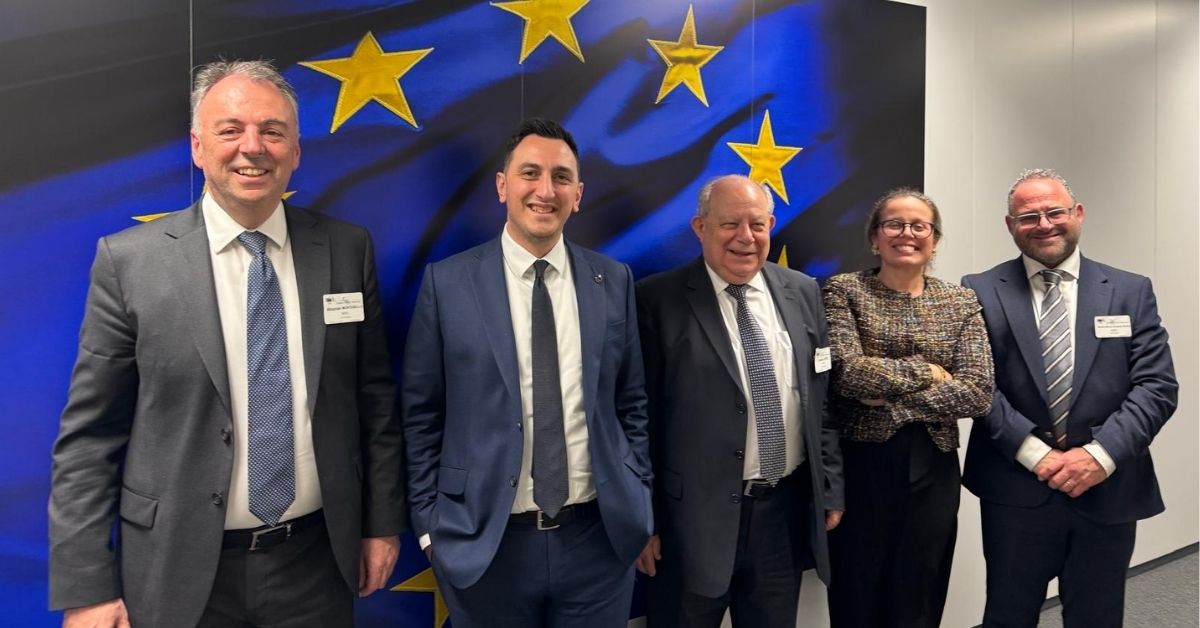
Malta Maritime Forum encouraged by feedback received during high-level Brussels meetings

Last-minute bookings to Malta linked to Middle East conflict slow after initial spike
MHRA President Tony Zahra says the booking rush has died down