


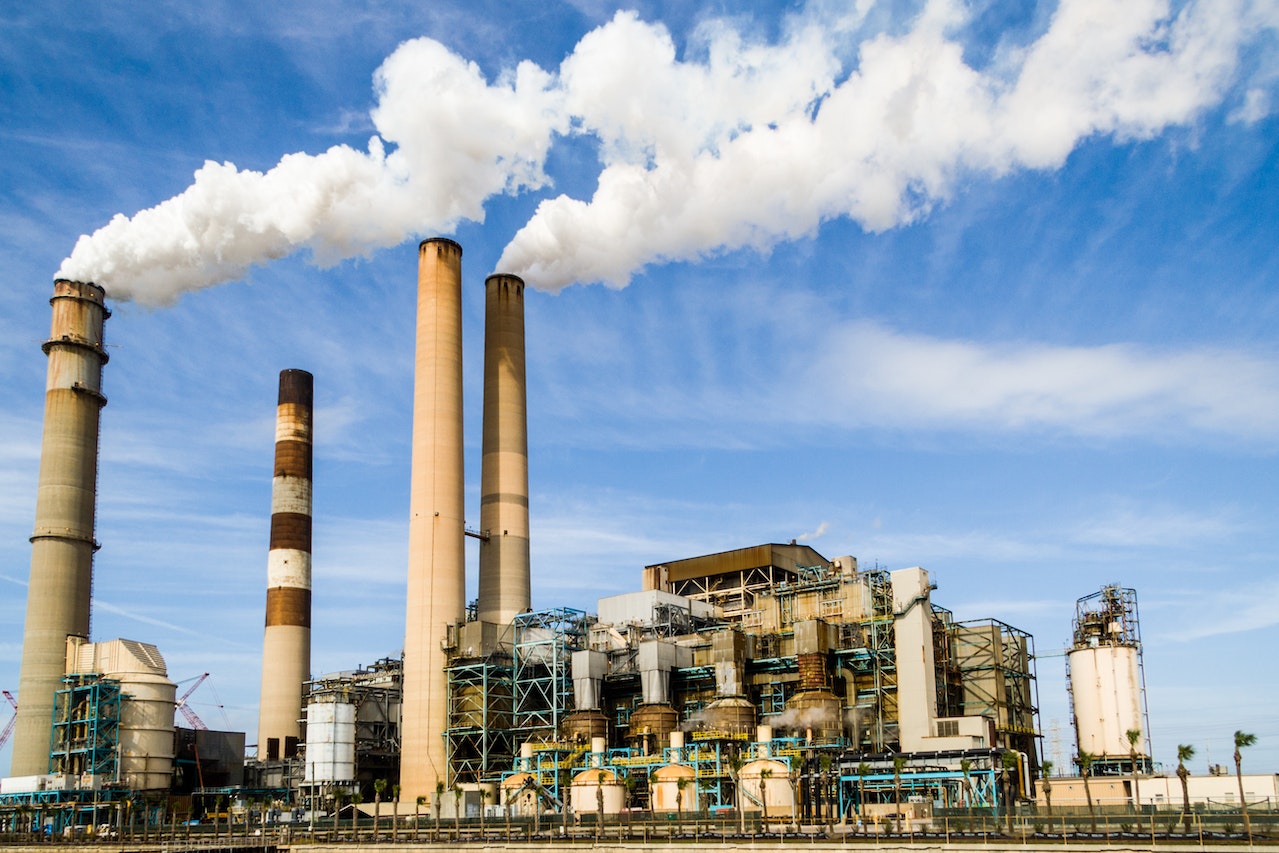
In today’s column, David Xuereb questions whether businesses can afford to do nothing in the face of climate breakdown.
David Xuereb is at the forefront of the accelerating shift towards an ethics-based approach to business. An architect by profession, he is specialised in structural engineering, and more recently, zero-carbon economics.
He now leverages his previous experience as long-time CEO of the leading engineering and construction management company QP as a mentor and advisor to enterprises committed to changing for the better, as well as championing the Malta ESG Alliance. He is also a former president of the Malta Chamber of Commerce, Enterprise and Industry.
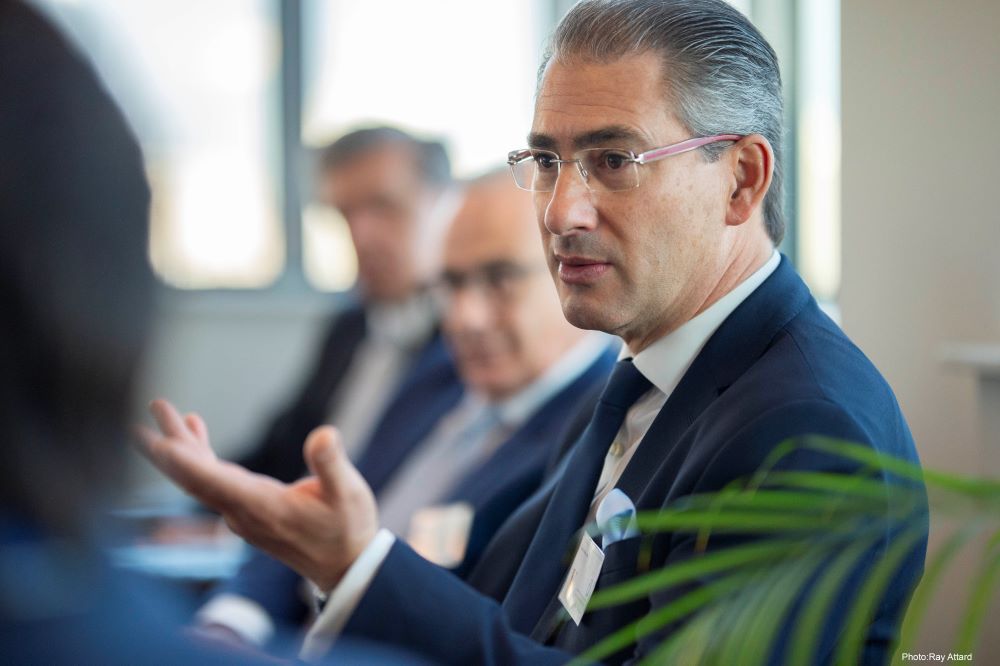
He explains:
Rising sea levels, summer heatwaves, widespread droughts, storms, wildfires, and disastrous floods are all dramatic effects of human-induced climate change.
Some businesses may overlook climate change risk in their business plans, but for those on top of the world’s environmental changes, green technology, renewable energy, waste management, resource efficiency and climate change mitigation measures are expected to provide sustainable profitable returns to shareholders.
Framing climate change as an economic risk has, in the last several years, galvanised proactive and responsible business leaders, investors and regulatory attention.
Initial risk mitigating strategies for business concerned with the potentially-harsh environmental and climate-change impacts include: identifying company vulnerabilities to extensive and expansive environmental changes, implementing requisite changes in operations and infrastructure investments to weather these impacts, substituting to renewable energy sources like wind and solar, and buying insurance and other long-term, risk-management financial contracts to guard against potentially catastrophic losses.
Incorporating sustainability into business strategy and embedding it into the organiasation has become a very compelling business case, for defensive as well as offensive reasons. The inescapable writings of climate change risks are on the wall and early examples are apparent. Peer, customer, investor and societal pressures will continue to increase.
In an era of transformation, high-performers are most likely also high-learners with a flexible agenda to adapt and adopt. In addition, for businesses, the cost of doing nothing on risks posed by climate change may be expensive and detrimental to sustainable operations.
An Expert Explains is a BusinessNow.mt initiative to improve economic financial literacy by inviting industry leaders to explain technical terms in a manner that can be understood by a general audience. If you would like to suggest a term or concept for our network of professionals to break down, or if you are an expert willing to contribute to this column, send us a message on our Facebook Page.

Skills strategy proposes training leave laws and incentives to push employers to upskill workforce
While Malta enjoys strong employment levels, many employers – especially SMEs – face constraints such as limited time
Government opens €300 million bond issue, may rise to €500 million on demand
The offer comprises two fixed-rate instruments
Strengthening defences: MFSA’s Thematic Review on financial crime
The review fits into a much broader national effort to combat financial crime