


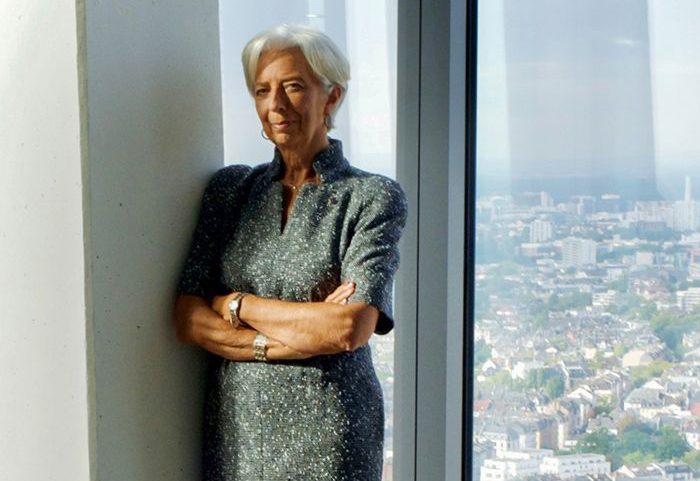
Two years on since former International Monetary Fund chief, Christine Lagarde, was appointed to lead the European Central Bank (ECB), she reflects that the journey has been “very different” from what she anticipated.
“The pandemic has been a challenge like no other, and I’m glad to say that the euro area is now firmly in recovery mode,” she says.
Indeed, COVID-19 forced the EU’s banking institutions to aid local businesses and people who suffered through restrictions imposed, which included heavy limitations across a wide spectrum of industries and sectors.
The ECB assisted member state banks and the EU-wide economy in a number of ways, such as aiding the economy to absorb the shock of the crisis through an emergency purchase programme to lower the cost of borrowing and increase lending, ensuring short-term concerns do not prevent lending through various mechanisms, increasing banks’ lending capacity by easing restrictions and the establishment of currency swap lines with the aim of preserving financial stability.
In her reflections on two years since being appointed ECB President, Ms Lagarde says that there are non-pandemic related areas of progress which she is “particularly proud of”.
These include:
- A strategy review, completed in July, providing a strong foundation for how the EU conducts monetary policy in the years ahead.
- The climate change roadmap which sets out how the bloc can take climate risks into accounts when making policy decisions.
- The EU’s decision to launch the investigative phase of a digital euro project, to prepare the bloc for Europe’s digital future.
Ms Lagarde’s was first appointed ECB President in October 2019. Little did she know that a few months later, the world would be gripped by a global pandemic that would wreak havoc on the global economy.
The role of President carries an eight-year term, and is non-renewable, meaning Ms Lagarde will remain at the helm until 2027.
Ms Lagarde is a trailblazer for aspiring woman in politics and finance. She was the first female to become a finance minister of a G8 economy, France, and was also the first female to lead the International Monetary Fund and the ECB.

Yael Foundation Names Madrid’s Ibn Gabirol a Model of Academic Excellence
Yael Foundation gave its Academic Excellence Award to Madrid's Ibn Gabirol school
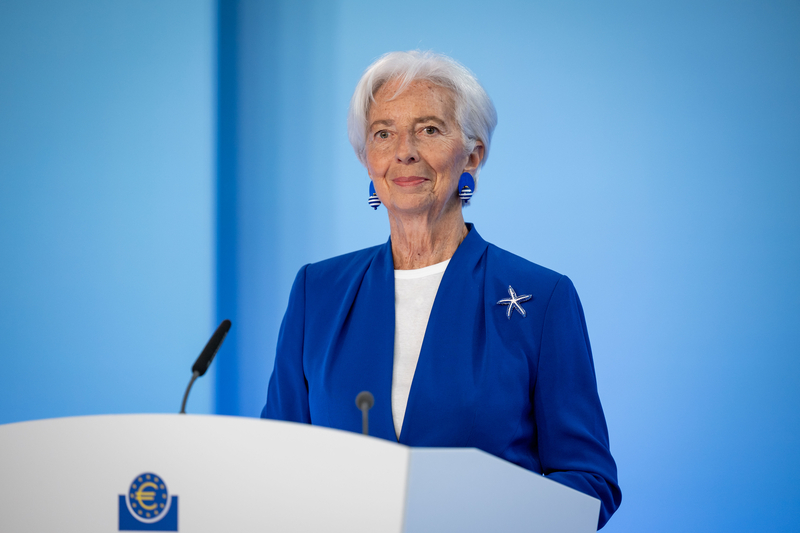
European Central Bank raises interest rates as Iran war generates inflation pressures
Eurosystem staff revised up their baseline projection for inflation in 2026 and 2027
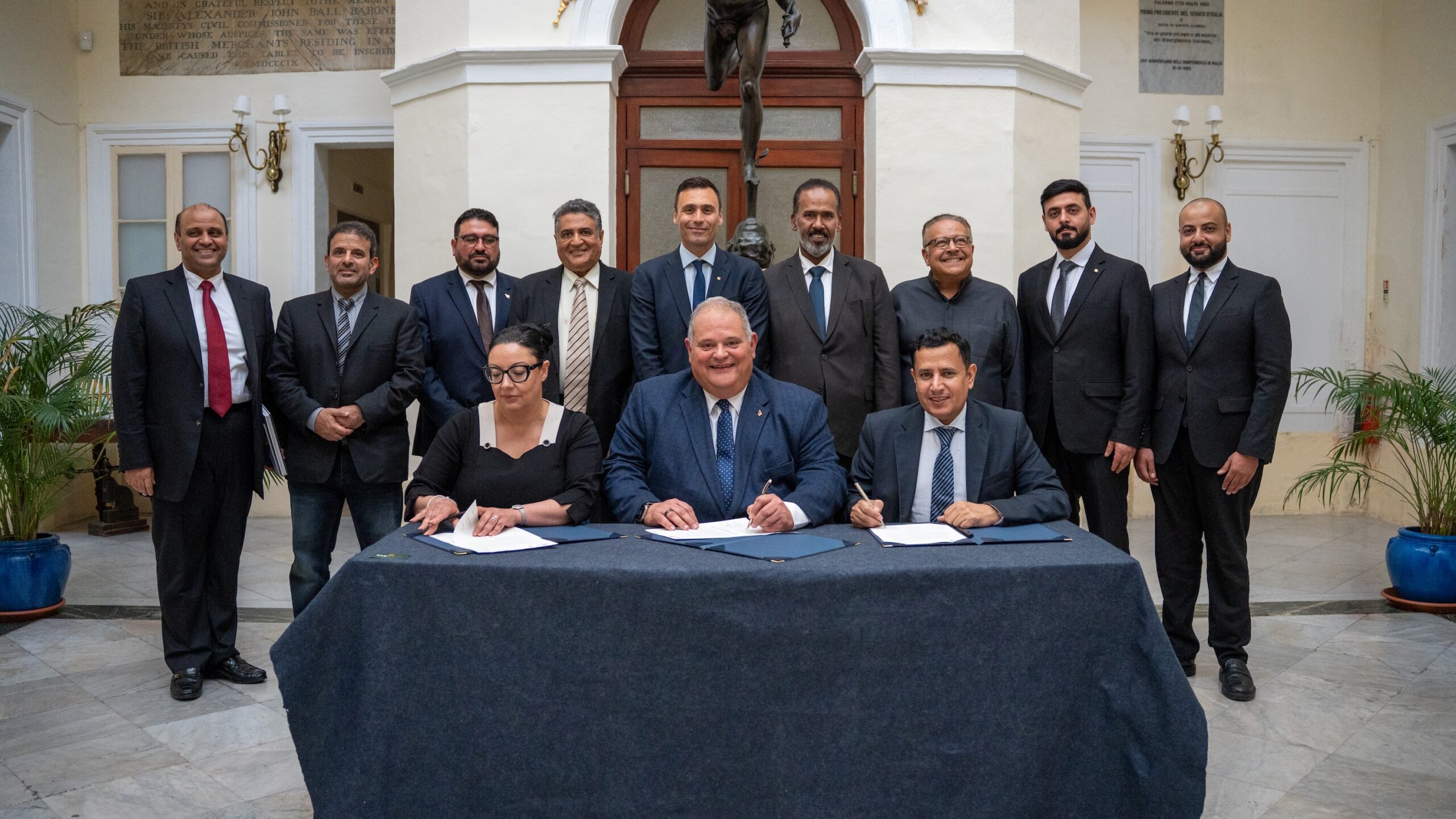
Malta and Saudi Arabia deepen commercial ties through Chamber MoU
The visit aims to support Maltese companies entering the Saudi market and a gateway for Saudi investment into Europe