


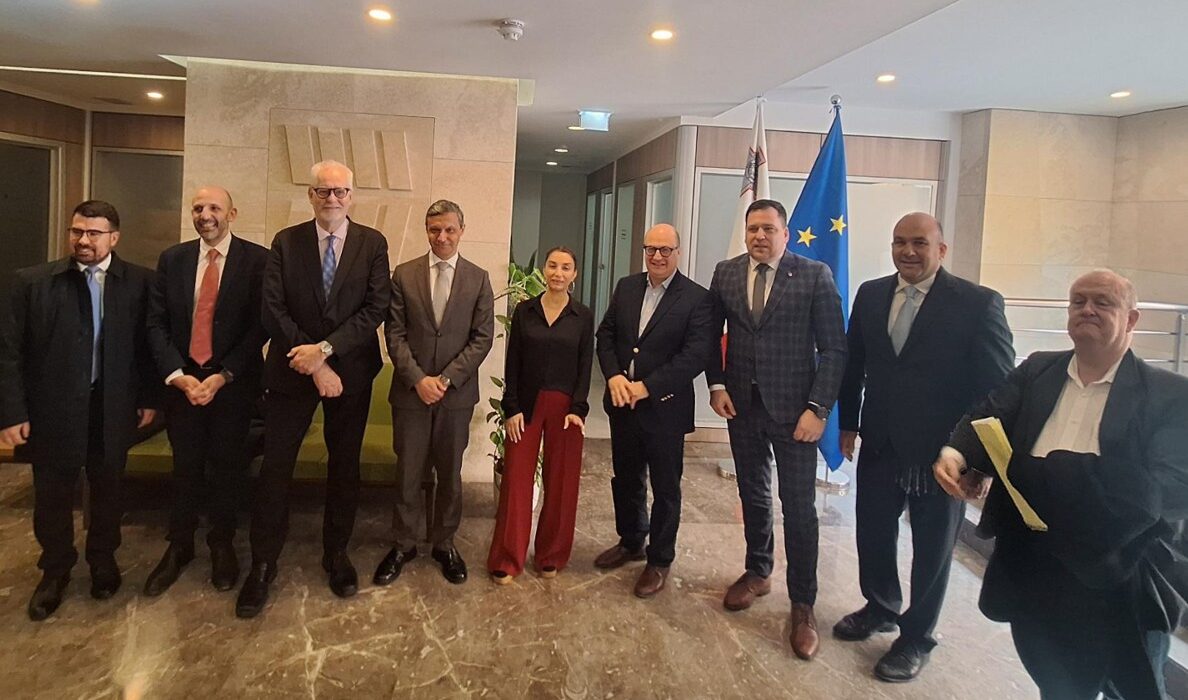
A delegation from the European Parliament’s Committee on Budgetary Control has concluded a two-day visit to Malta with a broadly constructive assessment of EU funds management, while also identifying areas requiring further action.
The Maltese Government, however, has strongly contested how the delegation’s conclusions have been portrayed, insisting that Malta’s systems remain robust and compliant.
The visit, held on 1st and 2nd April, brought together members of the committee with national authorities, audit bodies, civil society representatives, and the European Union Agency for Asylum. Discussions centred on governance, oversight, and accountability in the use of EU funds.
Constructive discussions, but ‘steps still needed’
According to the head of delegation, MEP Tomáš Zdechovský, the overall tone of meetings was constructive, with Maltese authorities presenting a “rather positive outlook” on the systems in place to ensure EU funds are spent appropriately.
However, the delegation concluded that “there are still steps to take and measures to be implemented” to address outstanding issues.
Mr Zdechovský emphasised that the purpose of the visit was to ensure EU funding contributes effectively to improving citizens’ lives and the business environment. The delegation examined Malta’s governance structures, audit frameworks, and coordination mechanisms, including meetings with the Audit Authority for EU Funds and the EU Programmes Agency.
Concerns were also raised in relation to the broader institutional context. While the mission did not formally assess Malta’s rule of law, the delegation noted that shortcomings in the justice system could have implications for the protection of EU financial interests. Civil society organisations highlighted issues such as delays in judicial processes and challenges in prosecuting high-level corruption cases.
The delegation also referenced data from the European Public Prosecutor’s Office, noting that Malta had 17 active cases in 2025 involving an estimated €235 million in potential damage.
Mr Zdechovský further warned against risks of EU funds being concentrated among a limited group, stating that safeguards are needed to ensure funds benefit citizens and businesses broadly.
As part of the visit, the delegation also reviewed progress at the European Union Agency for Asylum, which had previously faced scrutiny following an investigation by the European Anti-Fraud Office.
While acknowledging improvements, Mr Zdechovský noted that reforms must be sustained, particularly in ensuring transparency in internal processes and rebuilding trust among staff.
Government rejects interpretation of findings
In response, the Maltese Government expressed “strong concern and disagreement” with how the delegation’s conclusions have been represented in public discourse.
The Ministry responsible for EU funds described the meetings as constructive, transparent, and professional, stating that all concerns raised during discussions were “thoroughly and satisfactorily addressed”.
According to the Government, Malta demonstrated a robust framework for managing EU funds, including multi-layered audit systems, strict regulatory compliance, and cooperation with European institutions such as the European Public Prosecutor’s Office and the European Anti-Fraud Office.
The Ministry highlighted Malta’s performance in absorbing EU funds and pointed to tangible outcomes in infrastructure, economic development, skills, and social inclusion.
It also suggested that some conclusions attributed to the delegation may not reflect the substance of discussions held during the visit, raising questions as to whether certain positions were formed in advance.
The European Parliament’s Committee on Budgetary Control is responsible for overseeing the use of EU funds and ensuring financial accountability across member states. Its findings typically inform Parliament’s decision on whether to approve the EU budget discharge.


Skills strategy proposes training leave laws and incentives to push employers to upskill workforce
While Malta enjoys strong employment levels, many employers – especially SMEs – face constraints such as limited time

Government opens €300 million bond issue, may rise to €500 million on demand
The offer comprises two fixed-rate instruments
Strengthening defences: MFSA’s Thematic Review on financial crime
The review fits into a much broader national effort to combat financial crime