



On Wednesday (today), Finance Minister Clyde Caruana confirmed that Government will continue issuing food and energy subsidies as it plans to reach deficit and debt targets.
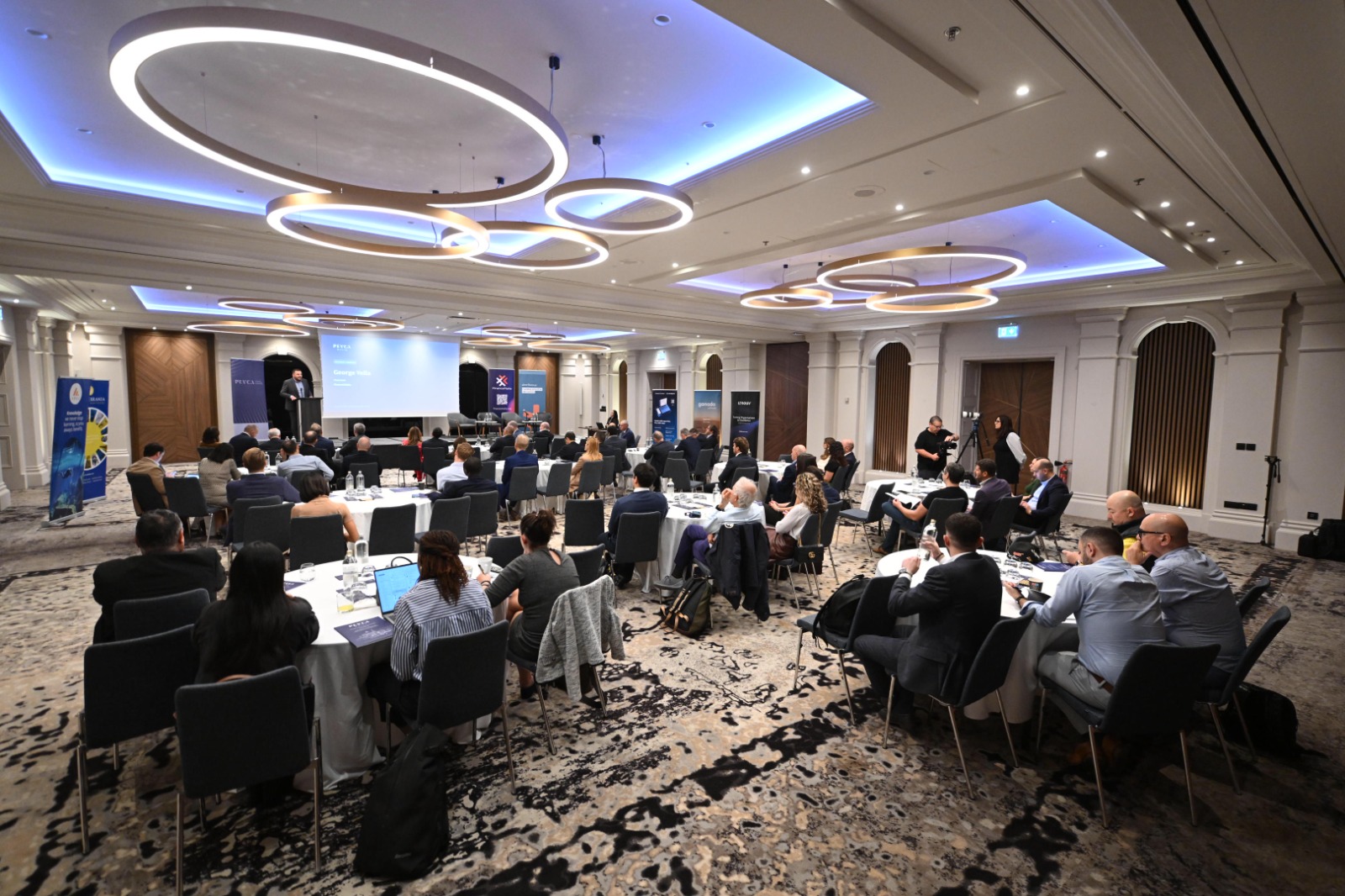
Speaking during its pre-Budget consultation conference in Rabat, Minister Caruana noted that public spending on food and energy subsidies as a percentage of the Gross Domestic Product (GDP) will be at 0.7 per cent in 2025.
This marks a decrease from previous figures of 0.9 per cent in 2024, 1.2 per cent in 2023 and 1.4 per cent in 2022.

Additionally, the Government is aiming at ending the year with a deficit of four per cent, with debt expected to remain below the 50.4 per cent mark of the GDP until 2028.
Presently, due to the current deficit level, Malta is undergoing the Excessive Deficit Procedure.
On the matter, Minister Caruana recounted that, in January, Finance Ministers across all members states agreed upon a new set of rules. These stipulate that all member states must run a deficit of less than three per cent of GDP and keep their debt under 60 per cent of GDP.
The new rules give member states two options of reaching the three per cent mark in four years or seven years-time.
Minister Caruana stated that Malta will be adopting the four-year strategy and committed to decreasing the deficit by 0.5 per cent annually.
Government forecasts indicate that deficit will be down to 3.5 per cent in 2025 and three per cent in 2026, therefore reaching the figure earlier than stipulated by the Commission.
This will pave the way for the Government to confidently submit its medium-term fiscal plan to the Commission this week while highlighting its intention to keep the food and energy subsidies for the future.
Minister Caruana stated that, despite the Commission’s preference for putting an end to the subsidies, as long as Malta reaches its deficit targets, it will not object to the subsidies.
He added that as things are stabilising more on a global level and inflation slows, the amounts spent on subisidies are expected to decrease.
‘Labour market conditions remained tight but showed some signs of moderation,’ Central Bank says
In the second quarter of 2026, the overall employment rate increased to 80.1 per cent
Nearly half of Maltese adults want less reliance on non-EU workers, but most won’t accept higher prices – survey
Seven in ten consider the Budget’s new fees and restrictions for third-country nationals necessary

SME Chamber concerned over proposed price hikes for non-EU students
Such increases risk severely undermining Malta's competitiveness as an international education destination, it said