



Malta recorded one of the lowest rent increases in the European Union in 2025, even as housing demand continues to rise and rental markets tighten across the bloc, according to data reported by Euronews.
Rent in Malta increased by 1.7 per cent last year, placing the country well below the EU average of 3.1 per cent and among the lowest inflation rates for housing rentals across Member States.
This contrasts sharply with several European markets where rent inflation reached double digits, including Croatia at 17.6 per cent and Greece at 10 per cent.
Demand remains strong despite slower price growth
While rent inflation has remained contained, local data suggests that underlying demand for rental housing in Malta remains robust.
Figures from the Housing Authority show that the number of active rental contracts reached 70,589 by mid-2025, marking a 7.5 per cent increase year-on-year. This points to a continued reliance on the rental market, particularly as affordability challenges in property purchases persist across Europe.
The number of renewals also remains high, with over 17,600 contracts extended in the first half of the year. Notably, more than 90 per cent of these renewals were agreed at the same rental price, helping to stabilise overall rent inflation.
This dynamic – strong demand paired with relatively stable pricing – may help explain why Malta’s rent increases have remained subdued compared to other EU countries.
Structural shifts in Malta’s rental market
Beyond price movements, the structure of Malta’s rental market is also evolving.
Shared-space contracts now account for 13 per cent of all active leases, reflecting both regulatory changes introduced in September 2024 and growing affordability pressures among tenants. These reforms removed distinctions between long-term and shared leases while introducing occupancy limits aimed at reducing overcrowding.
At the same time, there is a gradual shift toward larger properties, with an increasing share of three-bedroom units and above. This suggests landlords may be adapting properties to accommodate shared living arrangements, effectively increasing yield per unit.
Rental activity is also spreading beyond traditional hotspots. While St Paul’s Bay remains the largest rental hub with more than 10,000 contracts, other areas such as Sliema, Msida, St Julian’s and Gzira continue to see strong activity, alongside growing demand in additional localities across Malta and Gozo.
Malta’s relatively low rent inflation may offer some short-term relief for tenants compared to other European markets. However, the continued expansion in rental demand, coupled with structural shifts such as increased property sharing, suggests that affordability pressures have not disappeared.

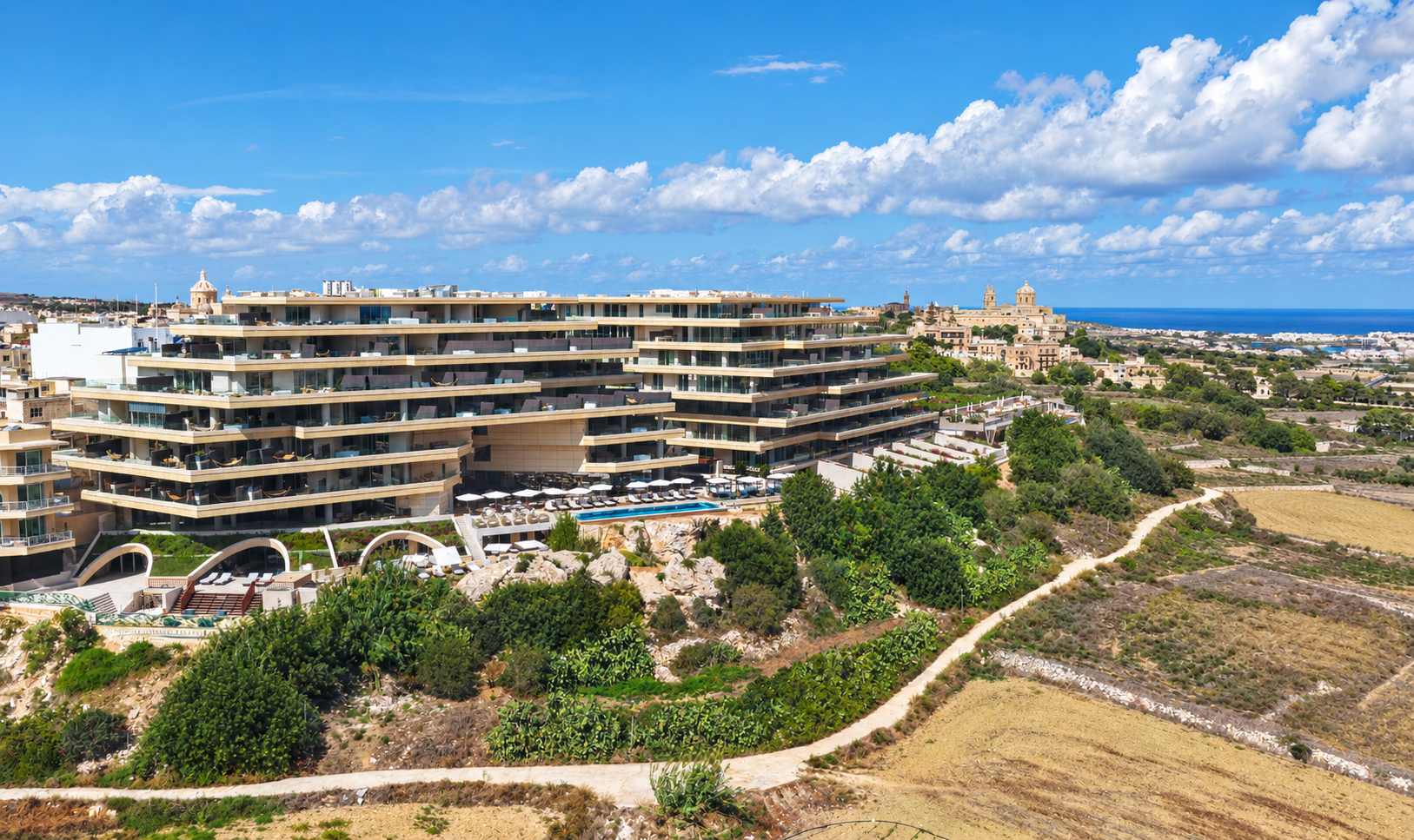
AX Group’s Verdala development recognised with three European Property Awards for Malta
Verdala Wellness Hotel is a purpose-built wellness environment rather than a conventional hotel with a spa attached

MDA says new construction damage compensation scheme must work for owners and remain fair to developers
Responsibility for damage must be properly established and those funding the scheme must be treated fairly, it said

MEIA welcomes MTA sponsorship reform and calls for wider events strategy
MEIA says discussion should extend beyond the approval of individual sponsorship applications