



A total of 609 building permits were approved in the first quarter of 2022, representing a total of 3,203 new dwellings.
This latter dwellings figure represents a 59.6 per cent increase on the 2,007 recorded in the same period in 2021.
These figures came via the National Statistics Office (NSO) as part of its quarterly reports on the number of residential building permits issued.
The highest number of approved new dwellings this quarter was for Naxxar (235). This was followed by San Pawl Il Baħar (209), Fgura (172), Swieqi (153) and Mosta (135)
Apartments developments were the most numerous, representing some 71.3 per cent of the total number of approved new dwellings.
This came as the trend towards apartment developments continued, and the number of apartment approvals increased by more than any other category of dwelling (except the 'other' classification which was statistically negligible).
The 3,203 new dwellings approved was significantly higher than the 2,638 recorded in the first quarter of 2020, while the number of buildings approved was also higher in Q1 2022 than 2020.
In the Gozo region, the number of new dwellings also increased, but by a less significant amount, rising only 35.7 per cent year-on-year to hit 559.
The Northern Harbour region (including Gzira, Sliema and St Julians) had the lowest increase in new permits, at 33.6 per cent year on year, but still had largest number of new dwellings approved, at 736.


HSBC Malta updates terms and conditions of current, savings and card accounts
The bank outlined amendments affecting personal and micro-enterprise accounts
BOV announces fee for interbank payments made through branches, changes to cheque-related charges
€50 fee will apply when requesting a payment at a BOV branch to an account held with another bank
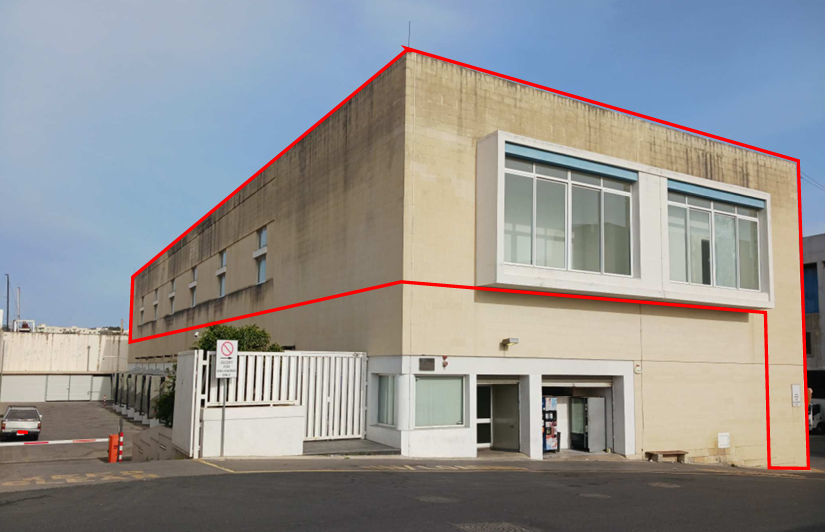
Government issues €6.9m tender for Marsa Food Innovation Hub
This concept entails the creation of a ‘food space’ for food producers who wish to experiment with new ingredients