


Maltese fertiliser importers have so far avoided disruption from the ongoing conflict in the Middle East, but industry players are warning that the situation may soon change.
BusinessNow.mt spoke to several importers, the majority of whom said supply and pricing remain stable at present. However, there is a growing sense that this may be temporary.
“We’ve not been affected yet. However, we expect to be. It’s too early to know,” one importer based in Attard said.
Four other importers echoed a similar position, confirming that they have not yet experienced delays or price increases linked directly to the conflict.
While Malta’s market remains stable for now, developments across Europe and globally suggest a more complex picture is emerging.
The current escalation of the US-Israel’s war in Iran, is already beginning to affect global fertiliser dynamics, even if the impact has not yet reached Malta directly.
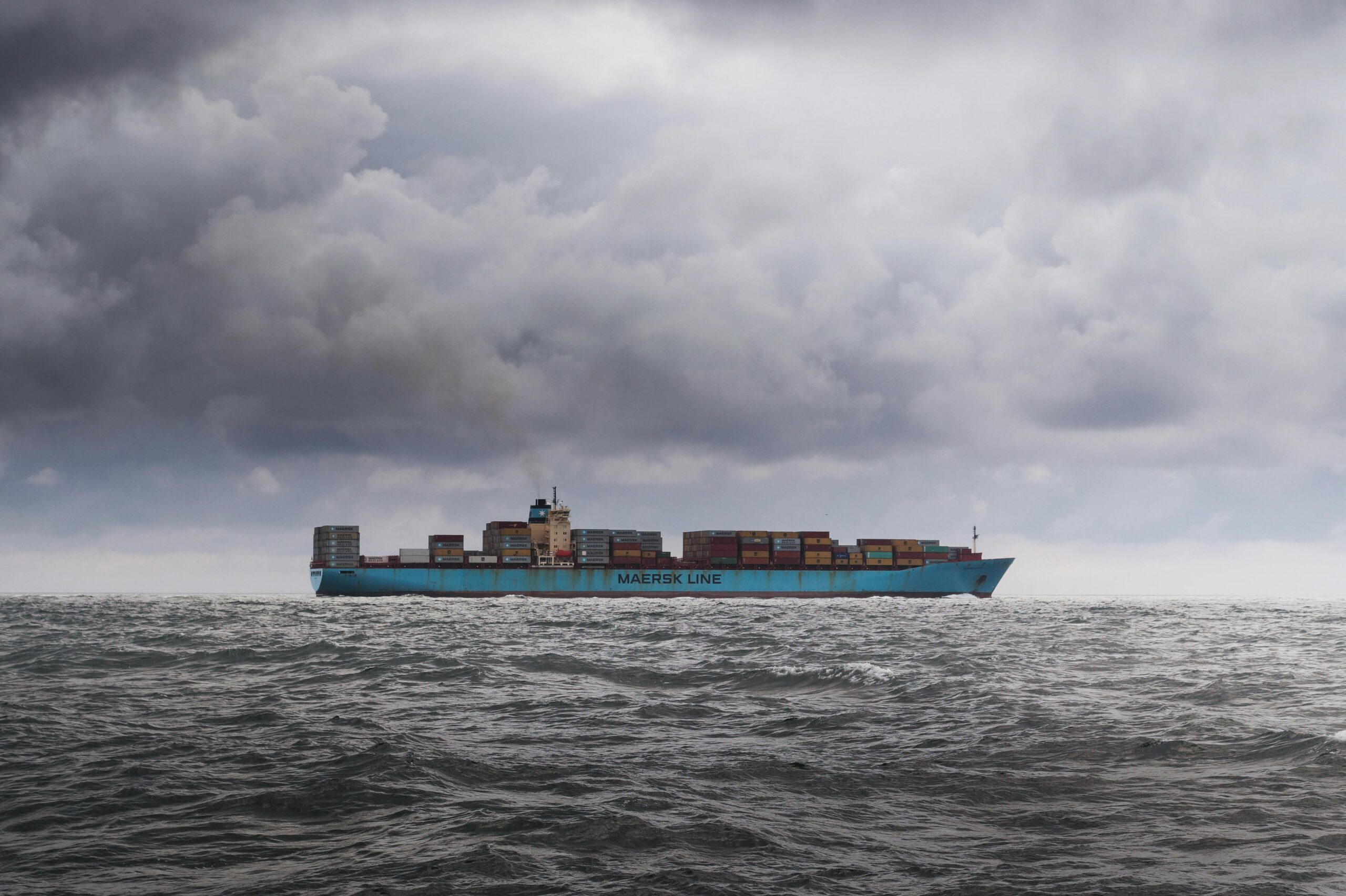
Transport through the Strait of Hormuz, which is one of the world’s most critical maritime chokepoints, has been heavily disrupted. The passage is central not only for oil and liquefied natural gas (LNG), but also for fertiliser and its key inputs. Roughly one-third of global seaborne fertiliser trade typically moves through this route.
With flows constrained, natural gas (the essential feedstock for nitrogen fertilisers) is becoming harder to deliver to major agricultural economies such as Brazil and Sudan. Producers in countries like India and Pakistan are also reporting difficulty securing raw materials.
The implications are significant: even short-term disruption in these supply chains can ripple quickly through global agriculture, affecting production costs, crop yields, and ultimately food prices.
Why fertiliser is so exposed
Fertiliser sits at the intersection of energy, agriculture, and logistics – making it particularly vulnerable to geopolitical shocks.
Nitrogen-based fertilisers, which account for the bulk of global use, are produced using ammonia derived from natural gas. Any disruption to gas supply – whether through price spikes or physical shortages – immediately affects production.
The Gulf region plays a central role here, as a major exporter of both LNG and fertiliser. Instability in the region therefore impacts both the raw materials and the finished product. At the same time, shipping disruptions add another layer of risk. Routes through the Strait of Hormuz and the wider region are essential for moving fertiliser to global markets. With access restricted, freight costs, insurance premiums, and delivery times are all under pressure.
Europe already feeling the strain
While Maltese importers remain unaffected for now, the situation in Europe is beginning to shift.
European fertiliser producers, already exposed to high energy costs in recent years, are particularly sensitive to fluctuations in gas supply. Any sustained increase in prices or disruption in imports could lead to reduced production and greater reliance on external suppliers.
This, in turn, would tighten supply across the continent – with smaller markets like Malta typically feeling the effects later.
A delayed impact for Malta
For now, Malta’s relative insulation can be explained by timing.
Importers often operate on forward contracts and maintain stock buffers, which can shield them from immediate shocks. But as these contracts expire and new shipments are negotiated under changing global conditions, pressures are expected to filter through.
“Right now, things are holding,” one importer noted, “but if the situation escalates or drags on, we will start to feel it, especially through prices.”
Beyond the market
Beyond supply chains and pricing, the broader consequences are already visible.
The conflict has caused significant human toll and environmental damage across the region, and its indirect effects could extend far beyond it. Disruptions to fertiliser availability risk affecting harvests globally, with potential knock-on effects for food affordability and security.
Maltese importers say they are closely monitoring developments in Europe and global markets, where shifts tend to appear earlier and more sharply. If constraints intensify – whether through prolonged shipping disruptions, tighter gas supply, or reduced production – Malta is likely to follow.
Vessel sales and registration account for two-thirds of Maltese superyacht sector
The sector is characerised by notably high productivity, consistent with the higher-value services provided
Malta Maritime Forum calls for freezing of EU ‘green’ law until worldwide system in place
Malta Maritime Forum encouraged by feedback received during high-level Brussels meetings
Last-minute bookings to Malta linked to Middle East conflict slow after initial spike
MHRA President Tony Zahra says the booking rush has died down