


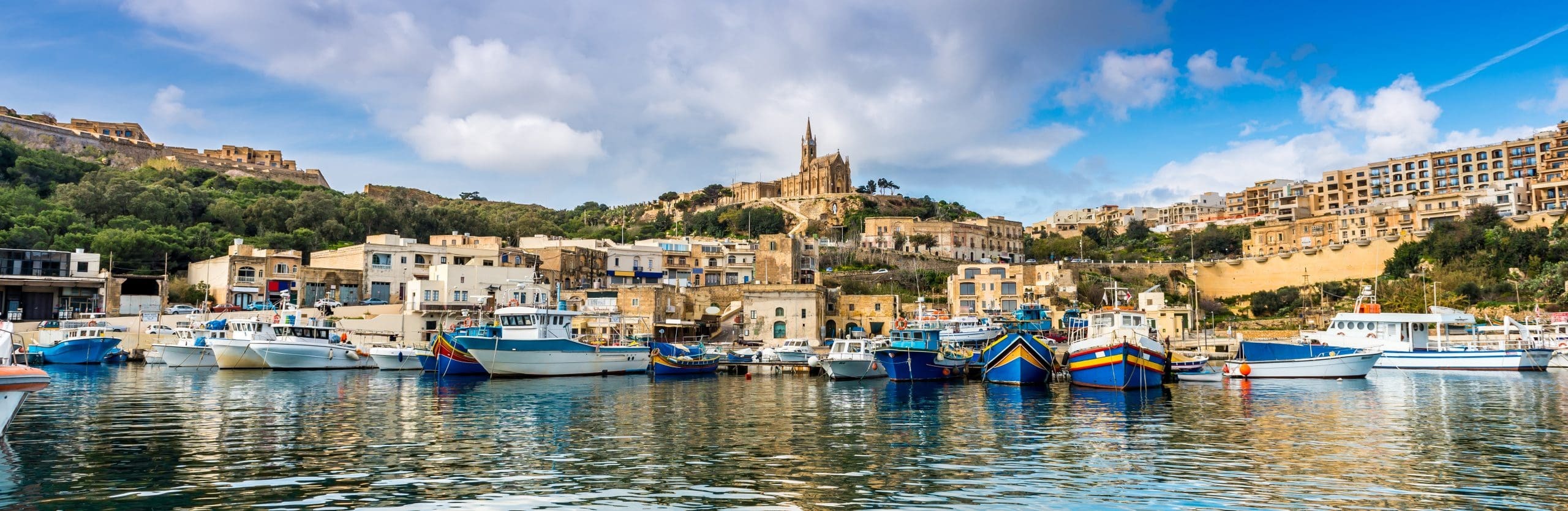
A recent evidence-based review of Mġarr Harbour paints a stark picture of a vital gateway struggling to keep pace with the rapid growth of Gozo’s economy, population, and tourism industry. Long regarded as the island’s maritime lifeline, the harbour is now approaching its operational limits – raising pressing questions about planning, infrastructure, and the island’s future.
Mġarr Harbour serves as the primary link between Gozo and Malta, handling the overwhelming majority of passenger and vehicle movement across the channel. Every day, it accommodates commuters, tourists, delivery vehicles, and essential services. Its strategic importance is therefore unquestionable. Yet, according to the report, the scale of demand placed on this single node has increased dramatically over the past decade.
Between 2013 and 2024, Gozo’s population grew by approximately 27 per cent, bringing with it a corresponding rise in daily inter-island commuting. Tourism has expanded even more sharply. Overnight stays increased by more than 70 per cent, while same-day visitors – who tend to create short, intense bursts of demand – more than doubled. At the same time, Malta’s vehicle fleet has surged, with more cars finding their way onto Gozo’s roads.
Despite these trends, infrastructure development at Mġarr Harbour has not kept pace. While there have been operational improvements, these have largely focused on efficiency rather than expanding capacity. Physical constraints, including the harbour’s geography and surrounding development, limit the scope for straightforward expansion. As a result, the Gozo Regional Development Authority (GRDA) says that the system is now nearing saturation, particularly during peak periods.
GRDA says that the pressure is most visible in traffic congestion. All vehicles exiting the harbour must pass through a single uphill route leading toward Victoria, creating a bottleneck that regularly results in long queues and delays. This is not merely a local inconvenience; it has island-wide implications, affecting commuting times, business operations, and the overall visitor experience.
Efforts to ease the burden have so far fallen short of addressing the core issue. The introduction of a fast ferry service between Valletta and Mġarr has provided a valuable alternative for foot passengers, but it does little to reduce vehicle traffic – the primary source of congestion. Similarly, plans to expand ferry capacity remain long-term solutions that will not alleviate current pressures in the immediate future.
The report is particularly critical of what it describes as a failure of long-term planning. The trends now placing strain on the harbour were neither sudden nor unexpected. Data pointing to sustained growth in population, tourism, and vehicle use has been available for years. Yet policy responses have tended to be incremental and reactive, rather than strategic and forward-looking, it adds.
The consequences are becoming increasingly evident. Delays at the harbour affect the efficiency of goods transport and the daily routines of commuters. For tourists, congestion can undermine the quality of their visit, while for residents it contributes to stress and a diminished quality of life. In this sense, Mġarr Harbour has become both a symbol of Gozo’s success and a constraint on its continued development.
The report concludes with a clear warning: without decisive and comprehensive intervention, the situation will deteriorate further. Addressing the challenges facing Mġarr Harbour will require more than temporary fixes. It calls for a coordinated, long-term approach that considers not only the harbour itself, but also the broader transport network and the island’s development trajectory.
“As Gozo continues to grow, the question is no longer whether Mġarr Harbour needs to adapt, but how quickly and effectively that adaptation can take place,” the Authority concludes.
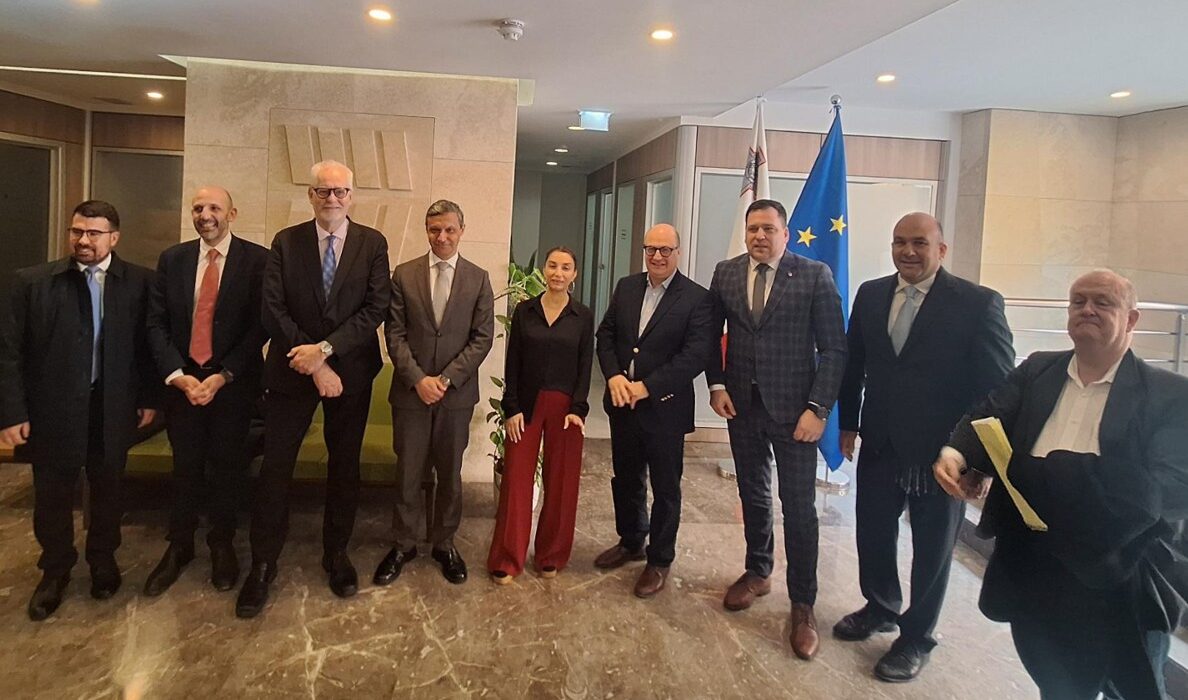
European Parliament delegation flags concerns on EU funds oversight in Malta, Government pushes back
The Government insists that Malta’s systems remain robust and compliant

‘We realise the importance of Gozo as part of our economy’ – FBO Regulator
Joseph Gerada on the Gozitan microclimate, the urgency of succession planning, and the importance of corporate governance
Malta sets up group to make share trades settle faster by 2027
The move aligns Malta with a broader EU-wide initiative to shorten settlement times