


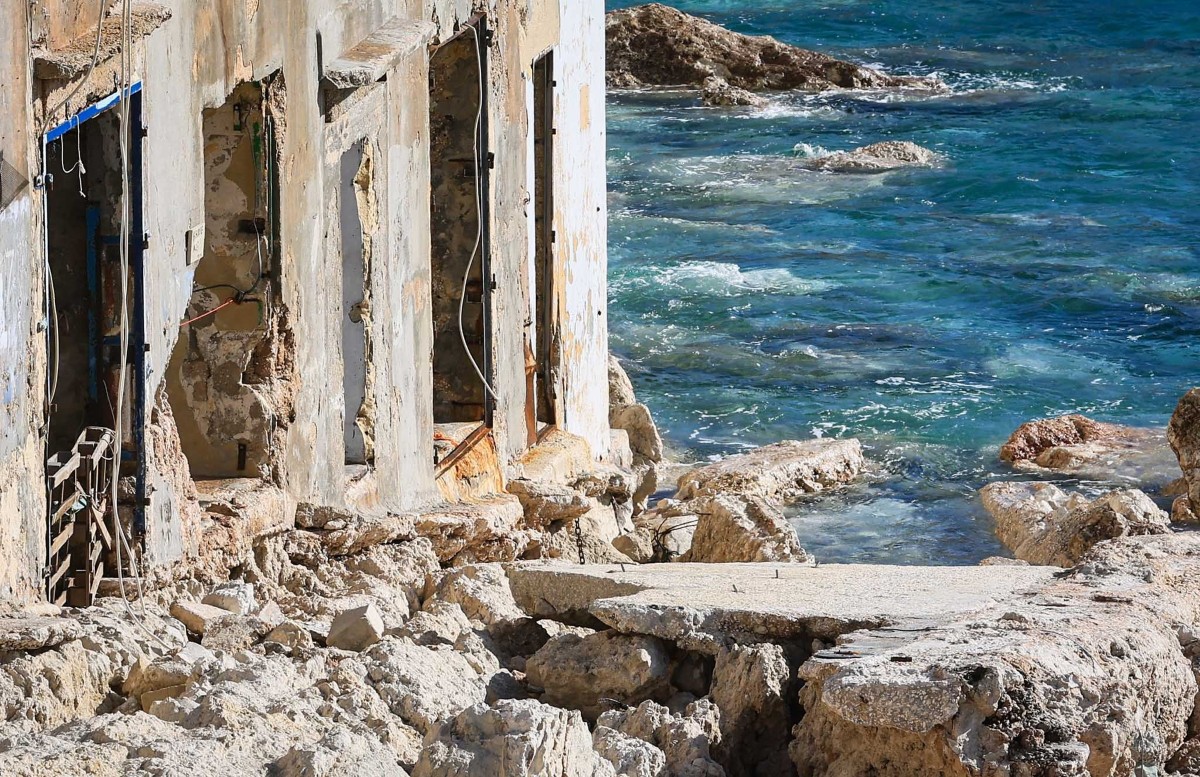
The Malta Chamber believes businesses operating in illegal structures should not be eligible for public funds being extended to those hit hard by Storm Harry.
“Supporting businesses that are in breach of planning regulations, building regulations, and conditions or contractual obligations tied to public property runs directly counter to the principles of good governance, the rule of law, and ethical public policy,” it said.
“Public funding must reward compliance, not breaches of the law.”
The statement comes after Prime Minister Robert Abela said eligibility for a €1 million fund to compensate for damage to private property not covered by insurance would not factor in any illegalities in the operations of claimants.
The Prime Minister said that while breaches should be penalised, he remains sensitive to the realities of those whose livelihoods have been threatened by the effects of the storm.
Such concerns have been given short shrift by The Malta Chamber, which described Dr Abela’s statement as “worrying”.
“The Malta Chamber has consistently argued that those who operate legally, pay their taxes on time, and comply with planning and safety regulations must be recognised, protected, and incentivised, not placed in the same basket as those who flout the law.
“By using public funds to support businesses operating with illegalities, the Government sends a clear message that non-compliance can be financially rewarded – this risks encouraging further disregard towards the law and instigates more flouting of planning and environmental rules.”
The Malta Chamber’s comments echo those made by Partit Momentum, which said “taxpayer money must never reward illegality.”
The political party said the reconstruction fund “should support households and law-abiding businesses genuinely affected by the storm, not compensate illegal bars, restaurants or unauthorised structures occupying public land. Public coastal and urban spaces belong to everyone, not to those who abuse weak enforcement.”
The Malta Chamber continued by pointing out that “businesses that invest time and resources to obtain the required permits, meet safety standards, and operate within the law are now effectively being treated on the same footing as those who do not. This creates an unlevel playing field and a clear governance anomaly.
“A level playing field starts with respect for the law. Emergency funds must not legitimise illegality. Extending the storm fund to businesses who are operating with illegalities contradicts this established eligibility logic and weakens public confidence in the integrity of public funding.”
The Malta Chamber is therefore calling on Government to exclude from the storm reconstruction fund those businesses operating with illegalities, “in line with the principle that public money should support lawful and responsible operators.”
It said “public money – taxpayer’s money which workers and ethical businesses pay – cannot and must not be used to support, fund or reward illegal business operations.”
The Malta Chamber reiterated that good governance cannot coexist with the rewarding of illegality.
“Upholding the rule of law and supporting ethical businesses is not only a matter of fairness; it is essential for Malta’s long term economic credibility and sustainable development.”
Featured Image:
Storm damage at Għar Lapsi / DOI / Alan Saliba


‘Andaria is one of Malta’s first EMIs with its own crypto wallet service’ – David Xuereb
Andaria is demystifying digital assets and building a unified financial layer for global payments.
MDA defends stance on affordable housing scheme amid ‘cartel’ claims and board resignations
The MDA reiterates its concerns about the initiative

Malta’s property prices rise 6.1% in Q4 2025
Price increases remained broad-based across property types