



Prime Minister Robert Abela will tonight launch Malta Vision 2050, detailing the government’s economic vision for the country over the next 24 years.
The Prime Minister said yesterday that the vision will revolve around a unified national narrative based on Malta’s nimble regulatory approach, strategic position between Europe and Africa, focus on quality, and a go-getter mindset.
When Vision 2050 was released for public consultation last year, the government said it will focus on financial services, aviation, shipping, gaming, tourism, high-end manufacturing, and construction as Malta’s seven key economic pillars.
A vision was released for each sector.

In terms of financial services, Vision 2050 envisages establishing Malta as a regional hub for investment funds, fintech ventures and multinational corporations, complete with updates to its regulatory framework to better support innovation.
With regards to aviation, the vision calls for Malta to improve its long-haul connectivity to airports across North America, the Middle East and Asia, and to increase maintenance, repair and overhaul on business and aviation cargo.
It targets a huge leap in the sector’s economic contribution, from the current €700 million to €2.8-€3.3 billion by 2035.
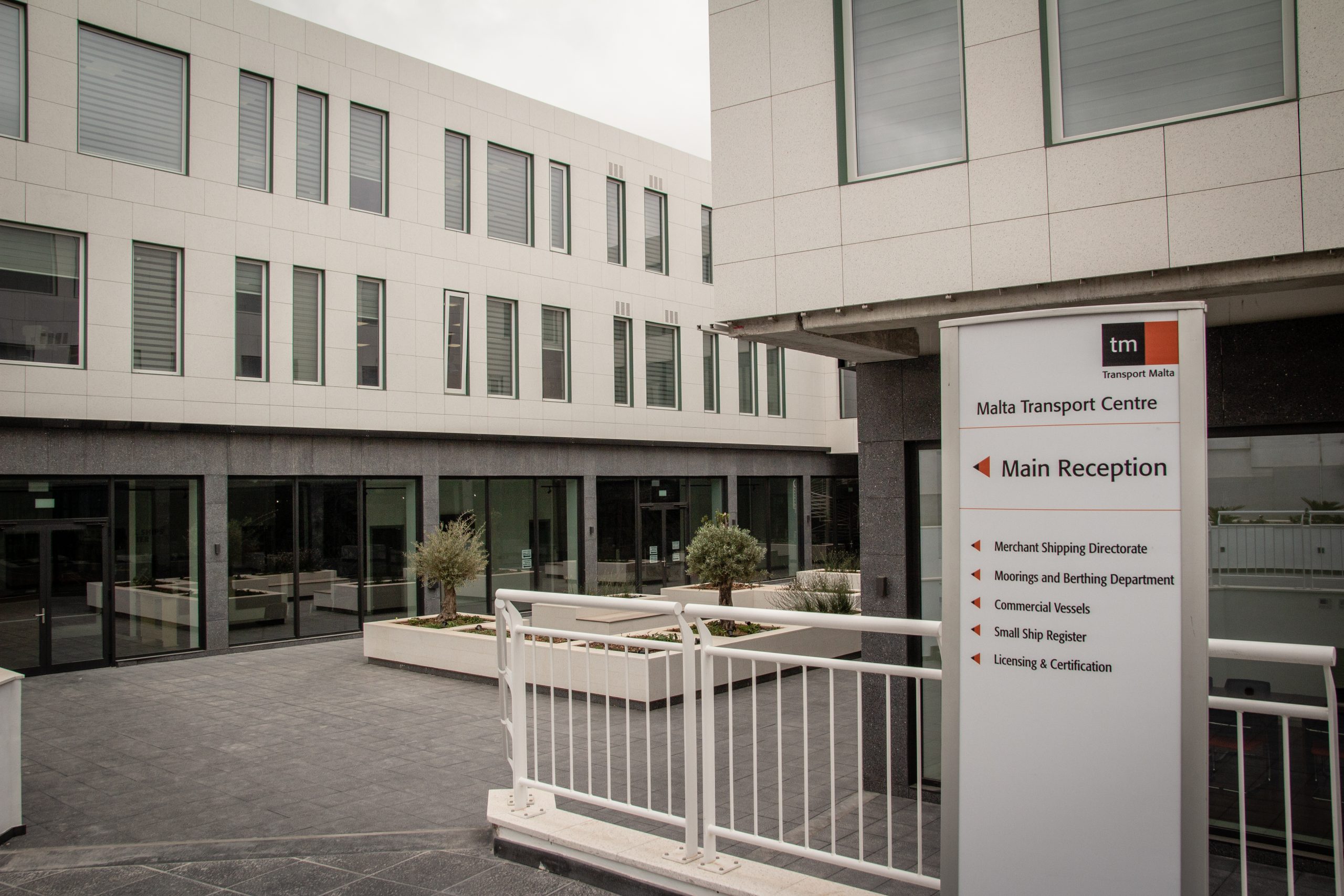
The shipping and maritime sector will benefit from an expansion of the Freeport’s capacity, potentially through land reclamation projects.
Malta will pursue new international trade routes, invest in infrastructure to meet the demands of modern supply chains, and modernise its ship registration process.
The vision envisions expanding the gaming sector beyond iGaming by tapping into other emerging markets such as e-sports, video game development and immersive experiences.
Malta will also be positioned as a regional host for international digital competitions.
Vision 2050 envisages shifting the focus on tourism towards premium tourism offerings, aiming to increase per-capita expenditure rather than sheer visitor numbers.
This strategy includes the development of hotels, restaurants, services, conferences, festivals and exhibitions to attract high-spending tourists.
In terms of high-end manufacturing, the vision identifies pharmaceuticals and semiconductors as key fields in which Malta can carve out a competitive edge.
This vision includes the integration of AI, although it stresses that the technology should empower, rather than displace, workers.
Finally, the construction industry will undergo a major transformation, with a focus on renovation and urban regeneration, and higher standards across the industry.
It remains to be seen whether there will be any significant updates or tweaks to this vision of Malta’s economic future following the public consultation process.

ACE: VAT cut to 7% ‘primarily aimed at supporting industry’, with consumers only indirect beneficiaries
ACE says it has long advocated for a VAT reduction

Malta’s rubbish recycling rate places it among EU’s worst performers
Malta continues to lag significantly behind leading performers such as Germany

EU-funded acceleration programme targets Maltese blue economy startups
Equity-free funding, international pilot testing and investor connections are on offer for Maltese startups through the MED-Hubs programme