


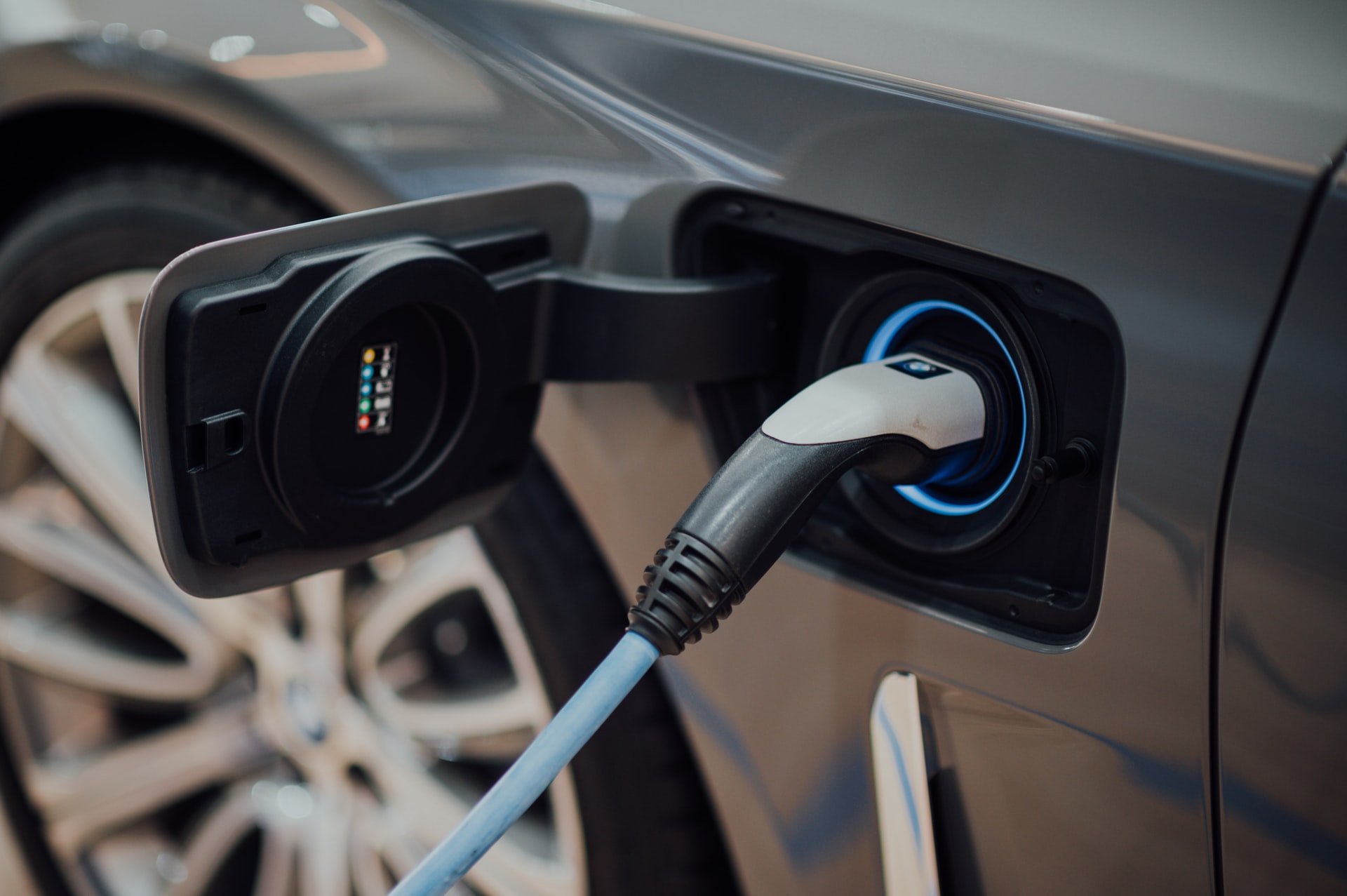
The Maltese Government is looking to add another 250 electric vehicles (EVs) to the public fleet through a tender published on Thursday (today).
The €10 million project, financed through EU funds, will see the proportion of EVs in public service increase from seven per cent as at 2021 to 40 per cent.
The “ambitious” project will reduce the existing fleet, replace polluting vehicles with others that use clean energy, and increase efficiency through a new car-sharing concept that will be introduced in Government departments.
Principal Permanent Secretary Tony Sultana said that this initiative, which is coming into force after a phase of detailed study, will leave a very positive environmental impact.
“This change will concretely save the country 185 tons of Carbon Dioxide (CO2) per year, with the project being carbon neutral with the installation of two thousand square meters of photovoltaic panels in public spaces.
“All this testifies to the environmental and sustainable credentials that the public service practices," Mr Sultana explained.
The tender is split into four lots, for the supply of 194 five-passenger vehicles, 30 eight-passenger vehicles, 16 commercial small vehicles, and 10 commercial large vehicles.
All the vehicles must have a year of a make no earlier than 2022.


Malta Chamber hits back at Clyde Caruana over ‘cheap foreign worker’ claims
Chamber says Minister's comments 'misdiagnose the root cause of Malta’s economic bottlenecks'

AI, sanctions, and sophisticated crime are reshaping financial sector’s risk, bankers told
The challenges were discussed at a Malta Bankers’ Association (MBA) conference

BNF Bank becomes Premium Partner of the Royal Malta Golf Club
The bank will become the principal sponsor of the club that welcomes more than 100 young golfers each season