


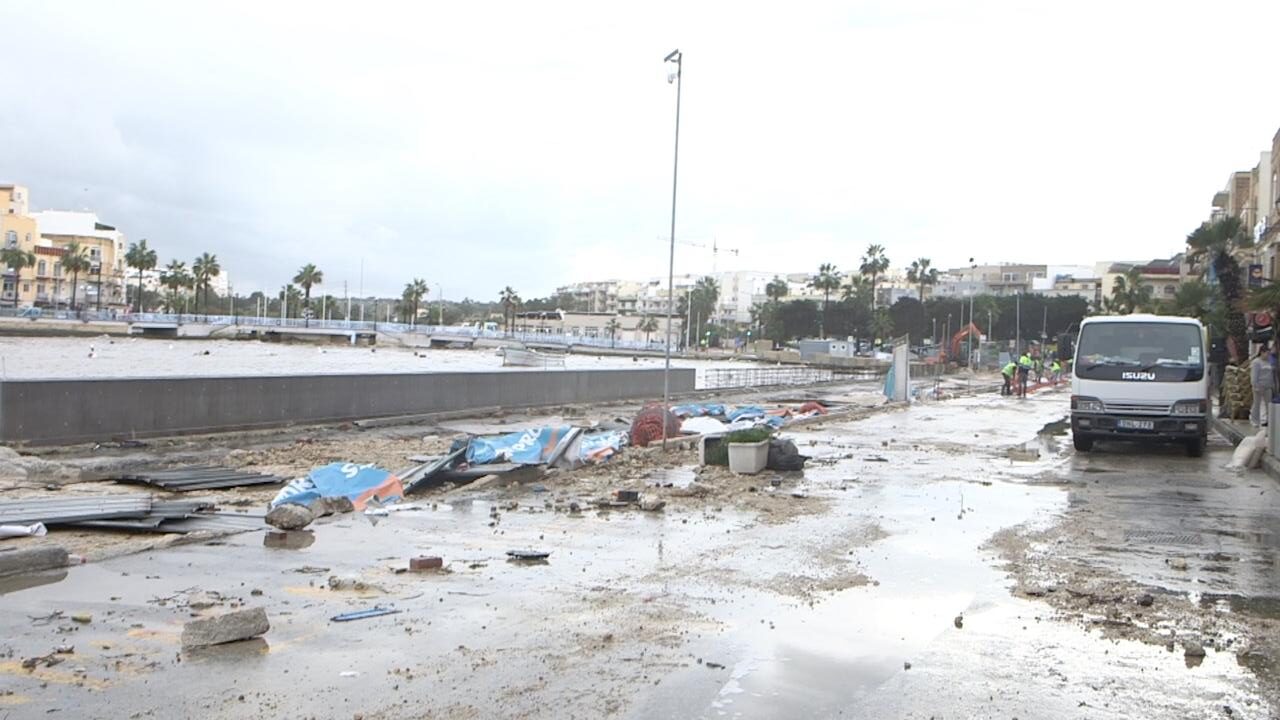
Damage caused by Storm Harry amounts to approximately €128 million, according to Government estimates, as Malta formally applies for financial assistance under the European Union Solidarity Fund (EUSF).
The figure, which surpasses the €121 million eligibility threshold required to access the fund, reflects widespread destruction across public infrastructure, coastal areas, agriculture and essential services following the severe storm that hit the islands on 20th January.
The application, submitted by the Maltese Government, compiles a detailed and verified assessment of the damage across multiple sectors, coordinated between ministries, public entities and private stakeholders. The European Commission will now evaluate Malta’s submission to determine both eligibility and the level of financial support that may be granted.
The EUSF serves as the EU’s primary instrument for supporting Member States in the aftermath of major natural disasters, providing financial assistance for essential recovery operations.
Alongside the EU funding application, authorities had introduced targeted national support measures aimed at assisting affected households, businesses and organisations.
Transport Malta had launched a €1 million assistance scheme funded through its Corporate Social Responsibility allocation, sourced from traffic infringement fines. The scheme offers grants of up to €5,000 per applicant to cover damages caused by abnormal sea rises, flooding, strong winds and fallen infrastructure.
Eligible claims include damage to vehicles and boats not covered by comprehensive insurance, outdoor furniture, apertures such as doors and balconies, and electrical or communication systems. Applicants must provide time-stamped photographic evidence and, where necessary, professional verification. Certain categories, including damage to fish farms, bus stops, solar panels, billboards and greenhouses, are excluded.
Meanwhile, Malta Enterprise had revised its Business Development Scheme to support enterprises that suffered more extensive losses. Businesses reporting damages exceeding €7,000 may apply for assistance covering 60 per cent of eligible refurbishment and restoration costs, capped at €20,000 per case.
The rollout of financial assistance had been accompanied by public debate over whether establishments with planning irregularities should qualify for state aid.
Prime Minister Robert Abela initially indicated that compensation could extend to properties with illegal structures not covered by insurance. However, this position drew criticism from business bodies, residents and political figures, who argued that public funds should not subsidise non-compliant developments.
In subsequent clarifications, the Government stated that assistance would be limited to parts of premises covered by valid development permits, unless any irregularities are regularised within one year. The updated Malta Enterprise scheme reflects this approach, requiring applicants to ensure compliance with permitting obligations when submitting their claims.
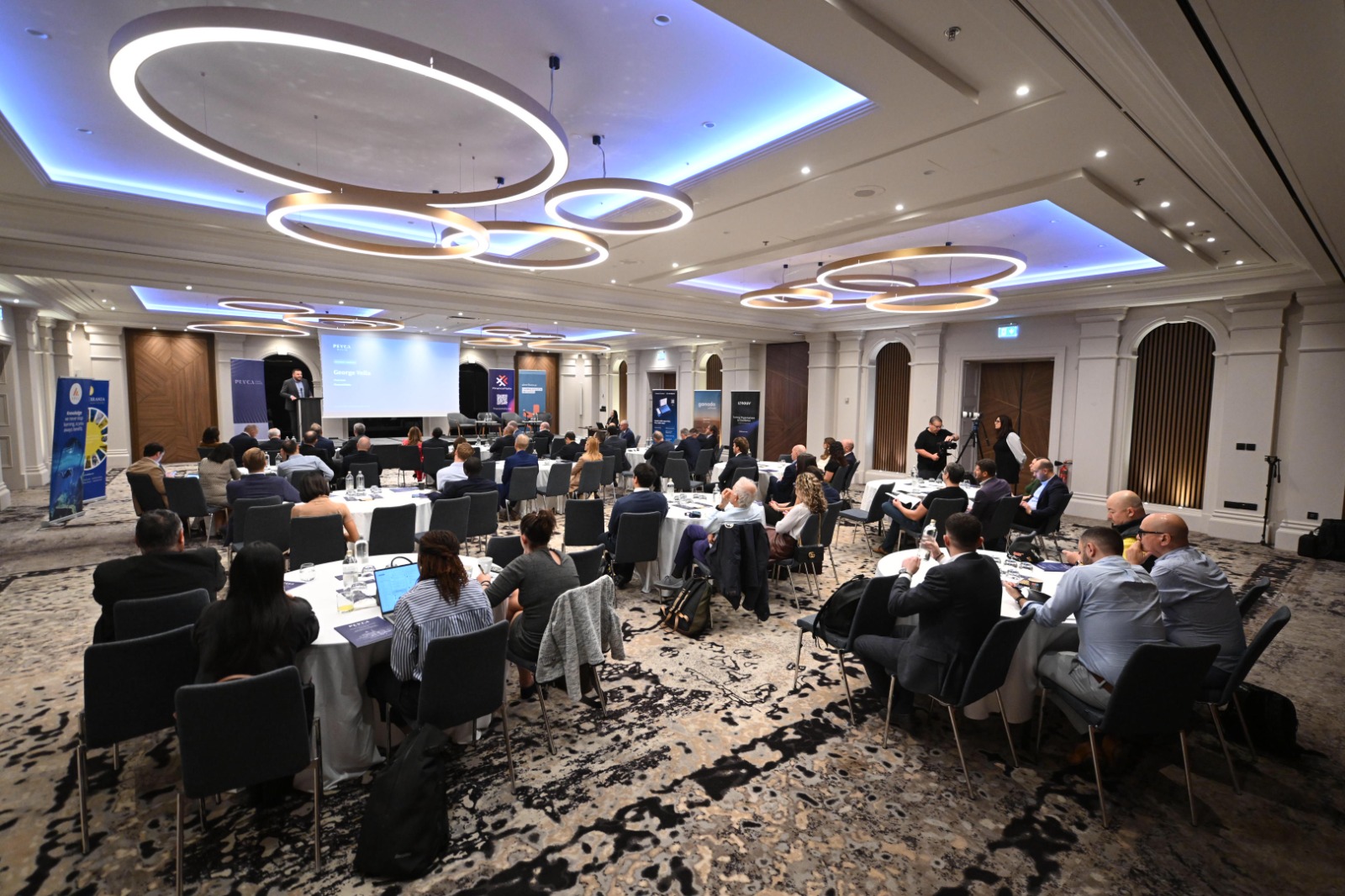
Malta’s traffic congestion takes toll on tourist experience and investor impressions
Malta’s traffic congestion is putting pressure on tourist guides, frustrating visitors and leaving a negative impression on potential foreign investors

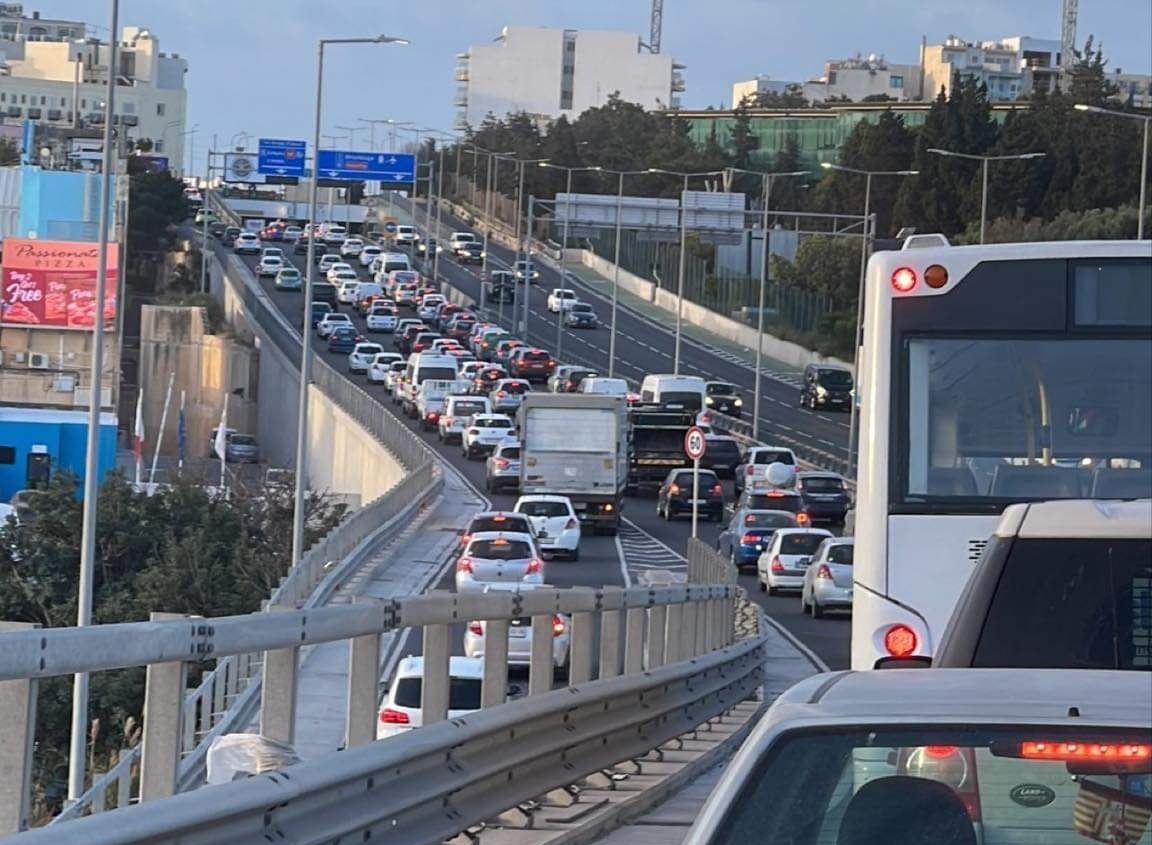
BNF Bank welcomes Izzat Nuseibeh as Chairman, reinforcing its long-term commitment to Malta
He brings more than four decades of international banking experience across corporate, private and institutional banking
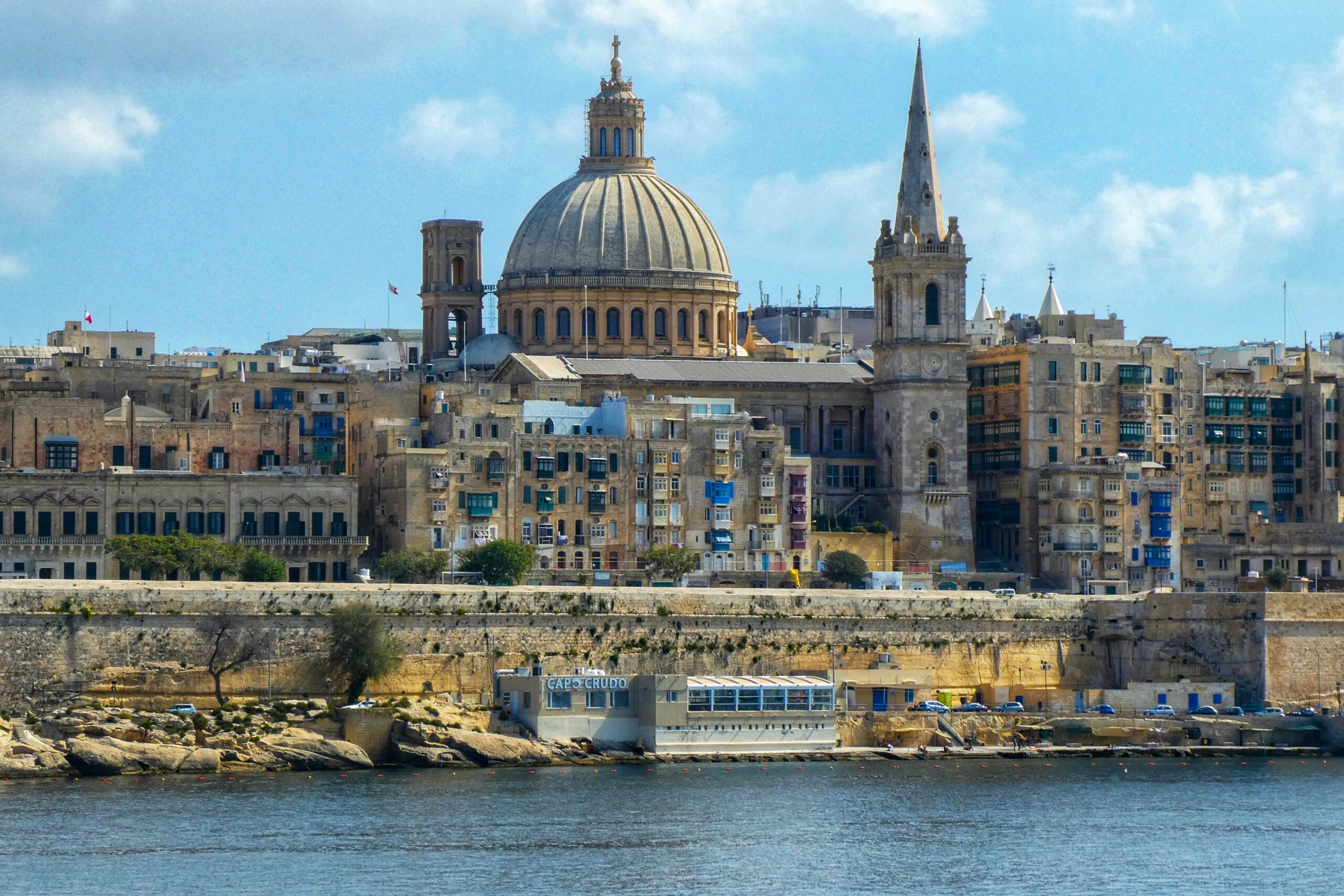
Malta’s FDI appeal rises, but concerns about skills shortage persist, EY survey finds
44% of investors describe Malta’s planning and preparedness for population growth as inadequate