


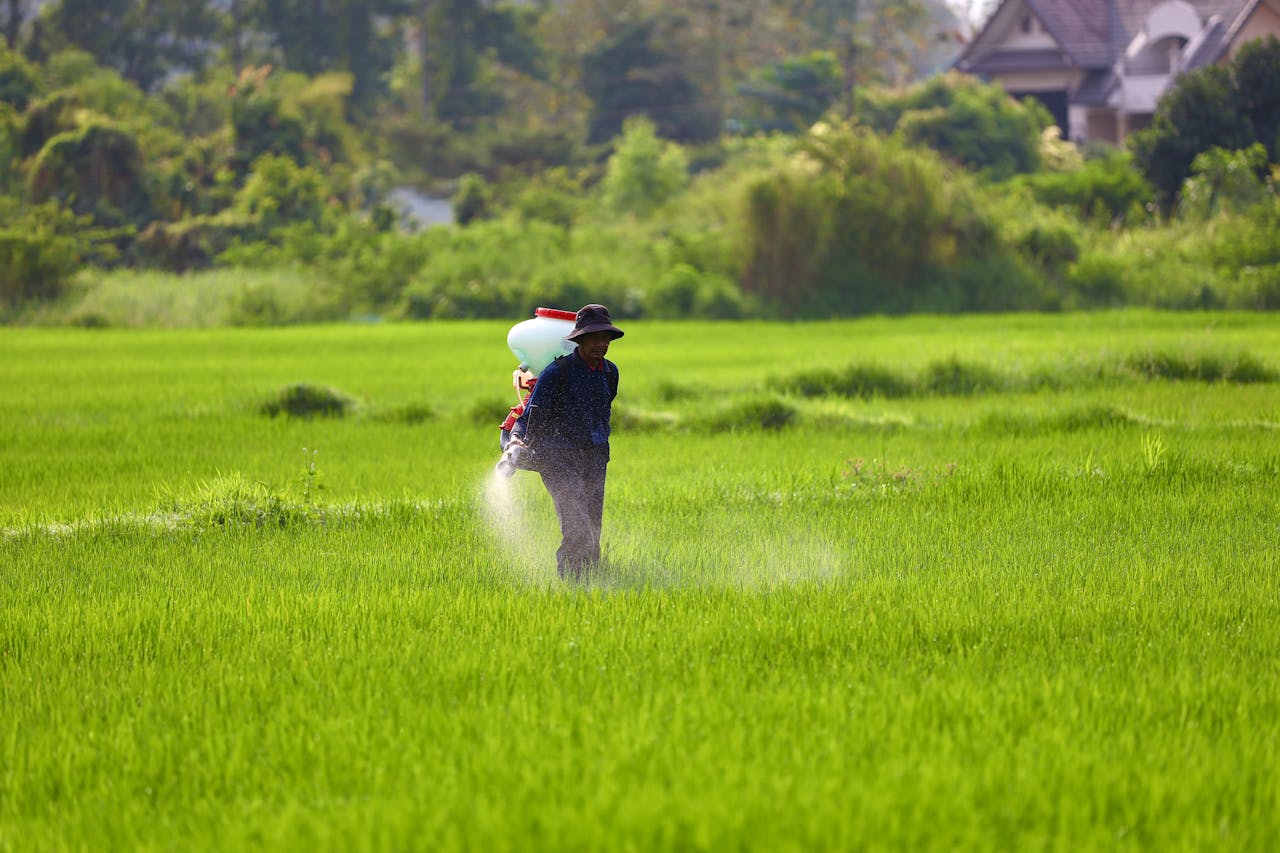
Maltese fertiliser importers say they have still not experienced disruptions linked to the ongoing Iran war and the blockade of the Strait of Hormuz, nearly two months after first warning that the situation could eventually begin affecting the local market.
BusinessNow.mt spoke again to several importers this week, all of whom confirmed that supply and pricing remain stable for now. However, the industry’s position remains cautious, with importers insisting the current stability may not last if the conflict continues or escalates further.
“We are still operating normally at the moment,” one importer said. “But we are watching the situation very closely because the international outlook is clearly becoming more concerning.”
Another importer echoed the same sentiment, saying Malta has so far avoided the immediate pressures being reported elsewhere, but warned that the country is unlikely to remain insulated indefinitely if global supply chains continue tightening.
The comments come as international organisations and industry bodies raise growing alarm over what is increasingly being described as a global “fertiliser squeeze”.
According to a recent report highlighted by Euronews and based on World Bank findings, the Iran war and disruption to shipping through the Strait of Hormuz are placing significant pressure on global fertiliser markets, largely due to surging natural gas prices and export disruptions.
Natural gas is the primary feedstock used in the production of nitrogen-based fertilisers, meaning energy price spikes translate directly into higher fertiliser production costs.
Industry group Fertilisers Europe told Euronews that while Europe is not currently facing an immediate supply shortage, rising natural gas costs are already affecting production economics.
“In short, fertilisers are energy, so when energy costs rise, automatically fertiliser costs rise,” the organisation said.
European agriculture ministers are reportedly discussing possible intervention measures amid concerns that persistently high fertiliser costs could affect future crop yields and food prices.
While Europe currently remains relatively protected due to strong domestic production and high import levels recorded towards the end of 2025, concerns are mounting over the impact on next year’s harvests if farmers reduce fertiliser use because of rising costs.
The situation is significantly worse in parts of Asia, Africa, and the Global South, where the UN’s Food and Agriculture Organisation (FAO) has warned of severe shortages, elevated costs, and increasing food insecurity linked to shipping disruptions in the Strait of Hormuz.
For Malta, however, the effects remain delayed.
Importers say right now the market from is safe from immediate volatility. Nonetheless, they acknowledge that if global conditions deteriorate further, the local market will eventually begin feeling the effects through higher prices and potentially longer delivery times.
“At this stage we’re still stable,” one importer said. “But Malta is a small market and we depend heavily on international supply chains. If the disruption continues globally, eventually it reaches everyone.”


German court clears use of breached MGA documents in reporting, Lilith Wittmann says
The MGA has previously rejected the suggestion that its legal measures were intended to silence or intimidate her

Enemalta advances plans for new Malta-Gozo interconnector
This follows a €45 million general election pledge for a Malta-Gozo high-voltage link
MDIA to assess potential for new research and innovation network in Gozo
Research is intended to provide an assessment of how a future research and innovation ecosystem in Gozo could be structured