


Malta has announced that artificial intelligence will soon be used to assess callers phoning the national health helpline 1400, as the country continues to scale up its digital health infrastructure.
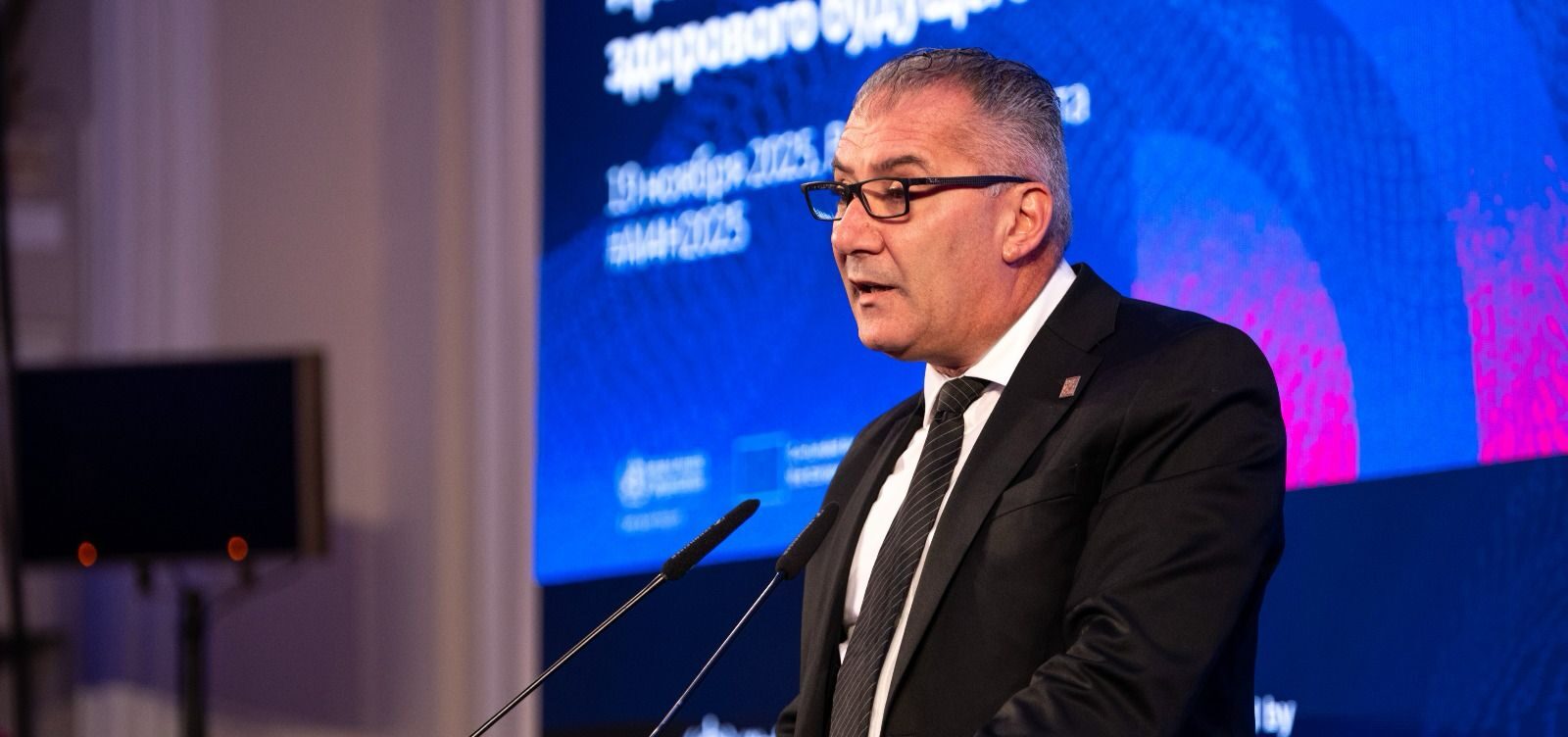
The update was delivered by Health and Active Ageing Minister Jo Etienne Abela during a WHO-supported conference on the future of AI in healthcare held in Malta this week.
The event, ‘AI for Health & Care in Europe – Practical Solutions for a Healthy Future’, was organised in collaboration with the World Health Organization (WHO) and brought together WHO Regional Director for Europe Hans Kluge, along with several European ministers and deputy ministers.
Presenting new figures, WHO officials highlighted that although most European countries acknowledge the potential of AI to transform healthcare systems, their level of preparedness varies widely.
- Only 8 per cent have a dedicated national AI strategy for health.
- Another 14 per cent are currently developing one.
- 64 per cent already use AI-assisted diagnostic tools.
- 50 per cent have introduced AI-powered chatbots for patient support.
Despite this uptake, just a quarter of countries have allocated funding to implement their AI priorities. Close to 90 per cent of countries also identified legal uncertainty as the biggest obstacle to wider adoption.
Addressing delegates, Minister Abela said Malta is making strategic investments in AI – both in the health sector and in wider government systems. Beyond robotics for surgical and medical interventions, he revealed that AI will now support triage assessments for callers using Malta’s 1400 health helpline, which has already assisted over 11,000 people.
He added that a strong economic environment has enabled the Government to invest more aggressively in digital transformation. The Digital Health Strategy 2025–2030 will be launched for public consultation later this week.
“A strong economy helps us continue investing in the health sector for the benefit of the patient,” he said, emphasising that digitalisation remains central to future healthcare improvements.
WHO Regional Director for Europe Hans Kluge noted that AI is already “being used by millions of health workers and patients,” but warned that the benefits could be undermined without strong governance.
“Without clear strategies, data protection, and investment in digital literacy, we risk reinforcing inequalities rather than reducing them,” he said.
While recognising AI’s potential to revolutionise healthcare, Dr Kluge stressed that patient trust and people-centred design must remain at the core. “AI can only deliver on its promise if people stay at the centre at every step of the journey,” he said.

Corinthia Palace strengthens luxury positioning with Virtuoso and American Express
The development comes as the property enters a new phase following an extensive refurbishment

ACE: VAT cut to 7% ‘primarily aimed at supporting industry’, with consumers only indirect beneficiaries
ACE says it has long advocated for a VAT reduction

Malta’s rubbish recycling rate places it among EU’s worst performers
Malta continues to lag significantly behind leading performers such as Germany