



In the wake of his response to Malta’s 2026 Budget, Opposition Leader Alex Borg has shed further light on one of the lesser-known yet increasingly vital sectors he believes Malta should focus on: Cryptography.
Speaking to BusinessNow.mt he describes it as the “invisible infrastructure of trust” in the digital world. Dr Borg says cryptography is the science and industry that enable secure communication, data protection, and verified digital transactions. “It underpins everything from online banking and national security to identity systems and digital payments,” he said, making it essential for the safe functioning of the modern digital economy.
Globally, the cryptography and cybersecurity sector is booming, with the global cybersecurity market valued at USD 190-200 billion, of which encryption software accounts for up to USD 20 billion. In the European Union alone, the cybersecurity market is estimated to be worth between €30 billion and €70 billion.
Dr Borg believes Malta is well-positioned to tap into this expanding sector. While the country’s tech ecosystem already contributes significantly to the economy – with ICT services accounting for between six and nine per cent of Malta’s Gross Value Added – he argues that cryptography and cybersecurity offer the opportunity to expand into even higher-value industries.
“The sector offers great potential for Malta; incremental turnover and exports, high-value jobs with high-wage and highly-skilled roles,” Dr Borg explains. He also emphasised how the sector could create spillover benefits for fintech, cloud services, compliance, and professional services.
He highlights the growing demand across Europe for robust data protection solutions, fuelled by frameworks like GDPR and the newly implemented DORA regulation – both of which compel businesses and public entities to “strengthen their digital defences” through measures such as encryption, cyber audits, and penetration testing.
According to Dr Borg, countries across the Mediterranean are already investing heavily in cybersecurity, and Malta should not fall behind. Malta’s strengths – including a skilled, English-speaking workforce, a reputation for agile regulation, and EU membership – could give it the edge in building a “regional hub for secure digital services.”
“The world’s dependence on secure digital systems will only increase,” Dr Borg warns, predicting that upcoming trends – such as the rise of digital identity systems, global competition for data security standards, and a tightening regulatory environment – will make investment in cryptography a “long-term necessity rather than an option.”
Ultimately, Dr Borg frames the proposal as part of a wider effort to diversify Malta’s economy, shifting away from low-value, high-volume sectors. “This proposal fits into Malta’s diversification strategy,” he said. “It leverages existing strengths such as the strategic location, ICT savvy workforce, multilingualism, and supports an increased resilience of critical national systems.”
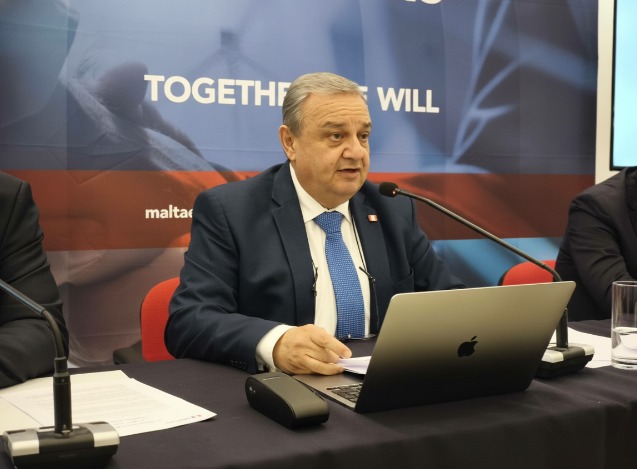
Featured Image:
Alex Borg / Facebook
Education system ‘stifles creativity’, Malta Employers’ chief says as association calls for ‘transformation’
Association's Director General says system is geared towards conformity

MFSA flags missing information in pension statements
Some pension statements omitted key details on investments, fees, contributions and account changes

Budget should support sustainable economic growth, promote financial stability – BOV
Maintaining a stable and predictable business environment, encouraging investment in productivity remain important, it said