


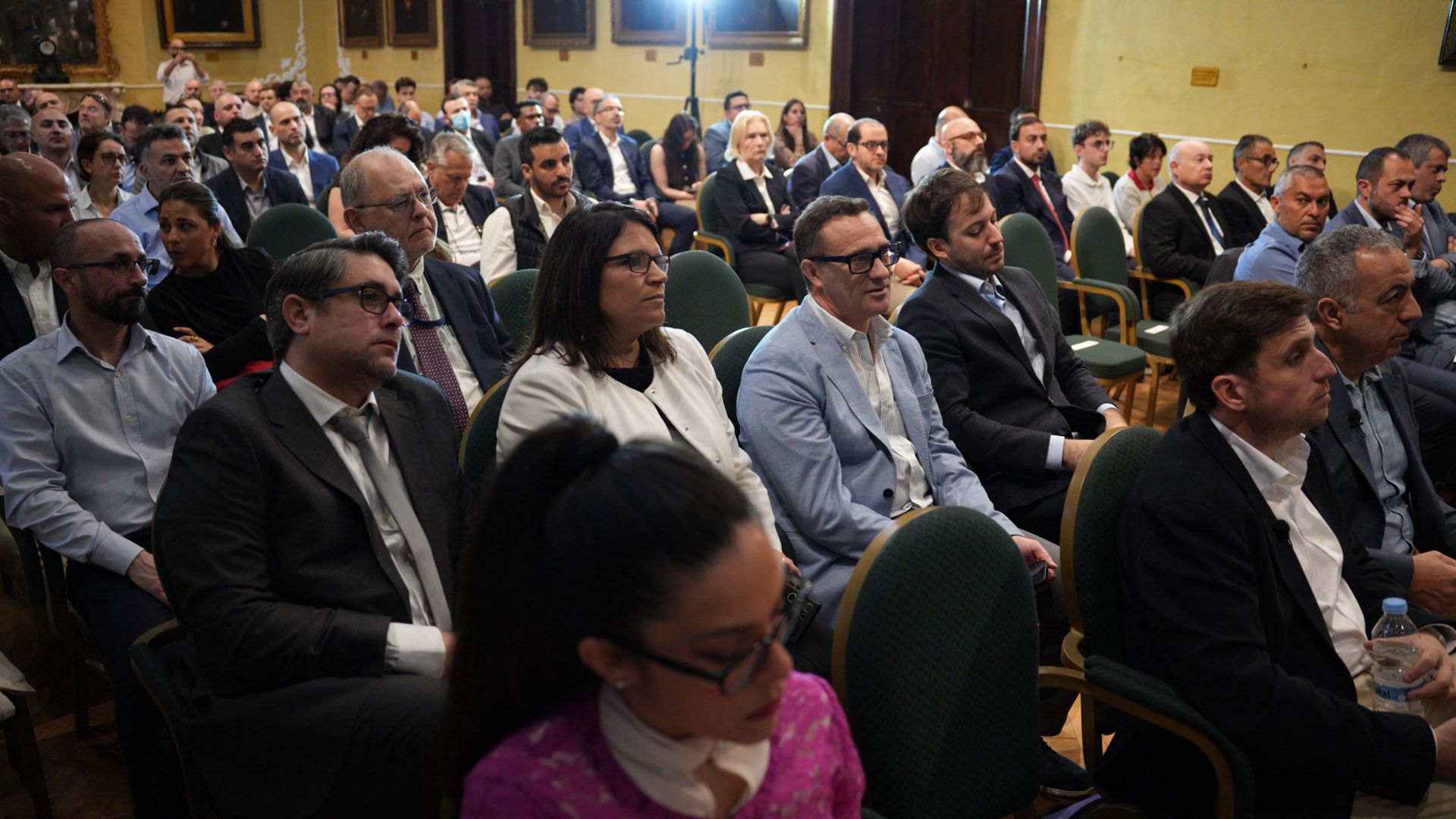
Malta’s progress in digitalisation is evident in the data, but translating that momentum into meaningful, enterprise-wide transformation is the next step. This was the central message emerging from the IBM & Tech Trends in Maltese Businesses conference, which took place on 17th April.
The conference brought together technology leaders, industry experts and local organisations to explore how artificial intelligence (AI), cloud infrastructure and data are reshaping the business landscape.
The event, led by the Malta Chamber of Commerce in collaboration with IBM and local partners, focused on practical applications rather than theory, offering attendees insight into how Maltese institutions are already deploying technology to improve operations, strengthen decision-making and unlock growth.
Strong digital foundations, but questions remain
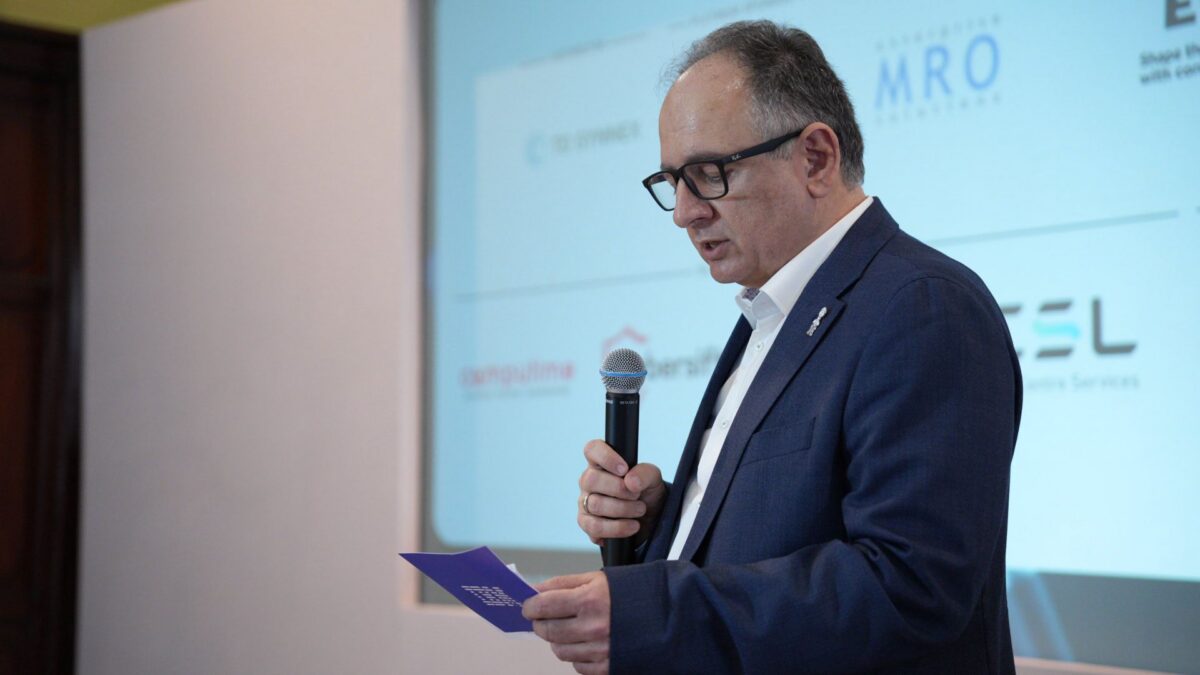
Opening the conference, Marthese Portelli, CEO of The Malta Chamber of Commerce, Enterprise and Industry, outlined Malta’s current digital standing within a European context.
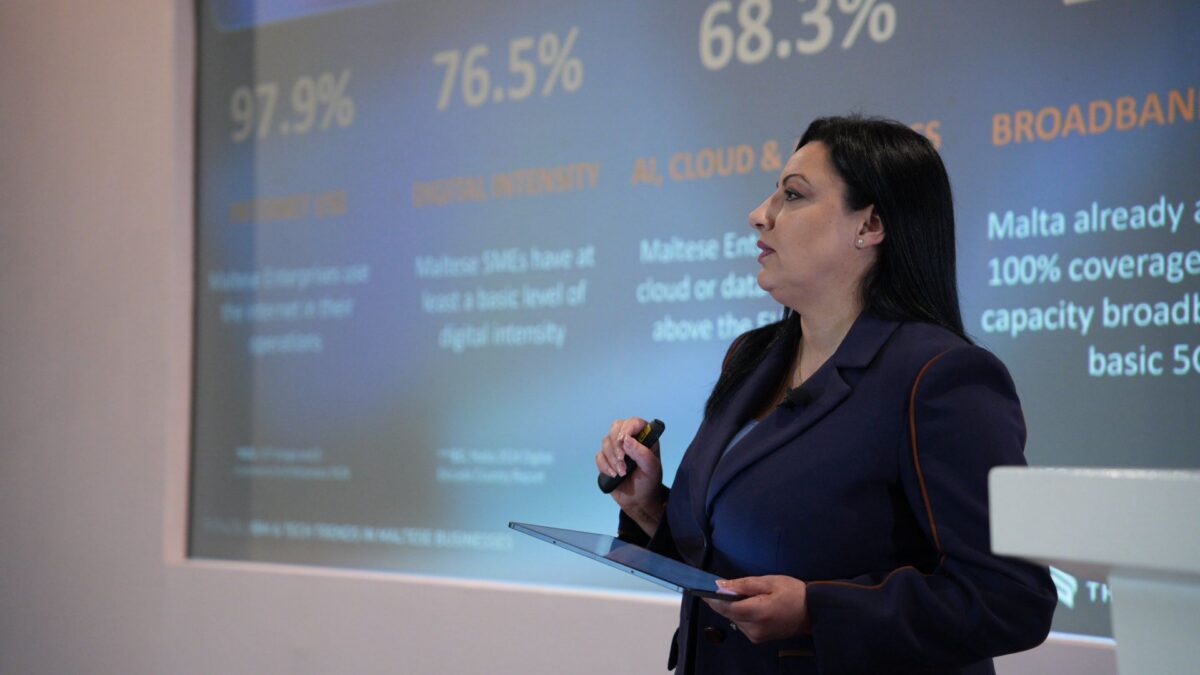
Key indicators show the country performing above the EU average in several areas. Nearly all businesses in Malta use the internet, while a majority of SMEs have reached a basic level of digital intensity. Adoption of technologies such as AI, cloud computing and data analytics is also notably higher than the EU average, supported by full national coverage of high-capacity broadband and 5G.
However, the conference heard that these figures may not fully reflect the on-the-ground reality. While the infrastructure is in place, businesses – particularly SMEs – are still facing challenges in fully integrating and scaling digital tools.
Skills shortages, particularly in ICT roles, continue to constrain progress, alongside issues such as legacy system integration, cybersecurity risks and the need for stronger governance frameworks around AI.
Scaling AI remains the key challenge
A recurring theme throughout the conference was the gap between experimentation and execution.
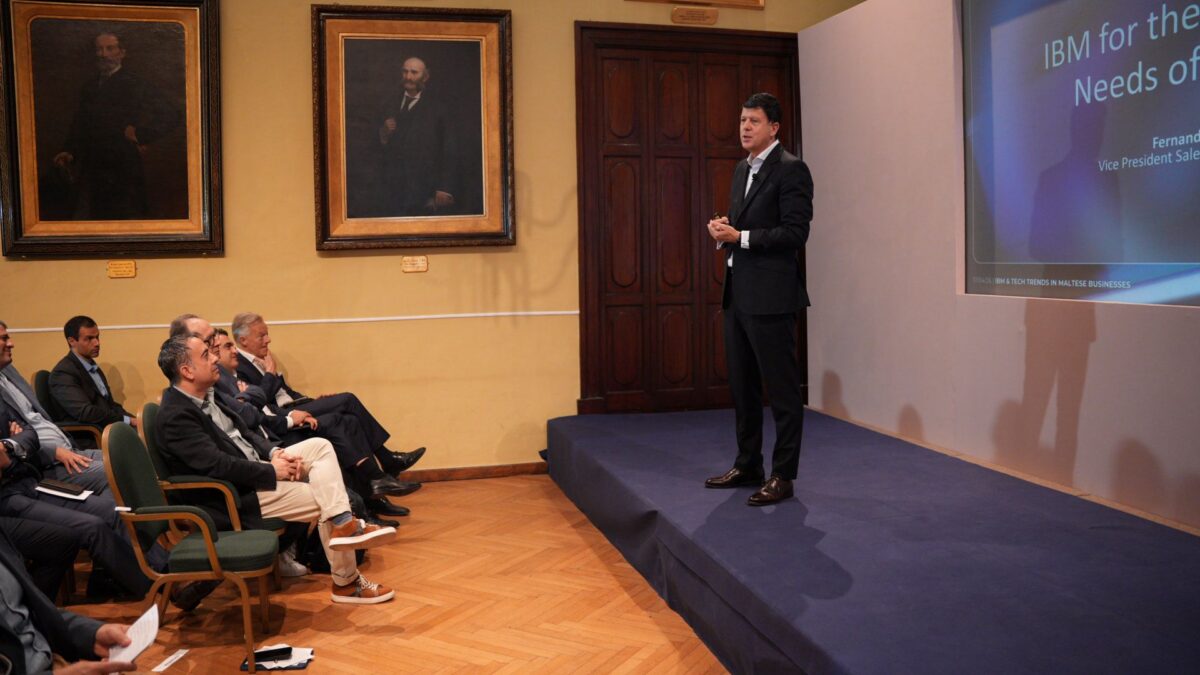
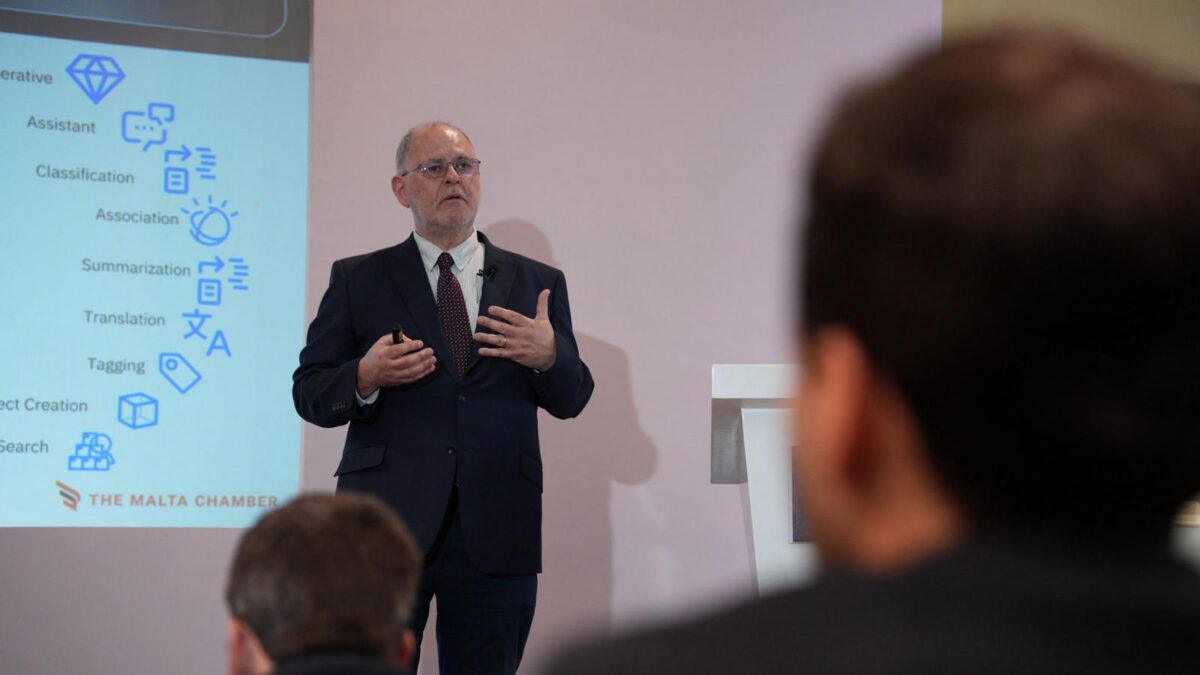
Fernando Suárez, Vice President at IBM, highlighted that while many organisations are already piloting AI solutions, scaling them across entire operations is significantly more complex. Effective deployment requires integration across multiple systems, often combining legacy infrastructure with modern cloud environments.
Data management is a central part of this challenge. Although businesses generate vast amounts of data, only a small proportion is currently being used in AI models, with most enterprise data remaining unstructured. At the same time, confidence in generative AI remains limited among executives, reinforcing the need for clearer governance and more reliable implementation strategies.
IBM’s approach emphasises hybrid environments and integrated platforms that can connect data, workflows and applications across organisations, enabling AI to deliver measurable impact.
Further sessions explored why AI projects often fail to move beyond the pilot stage. Speakers pointed to issues such as lack of integration, unclear objectives and insufficient oversight.
Solutions such as IBM’s watsonx platform were presented as tools to help organisations manage AI more effectively, bringing together agents, data and workflows within a single environment. The focus is on interoperability – allowing businesses to build on existing systems – alongside governance features designed to ensure transparency, compliance and accountability.
Security also featured prominently in discussions. As organisations adopt AI and digital tools, ensuring resilience against cyber threats – and the ability to recover quickly from disruptions – is becoming a core requirement rather than a secondary consideration.
Real-world applications from Maltese organisations
The conference also featured practical use cases from local businesses, demonstrating how digital transformation is being implemented in Malta.
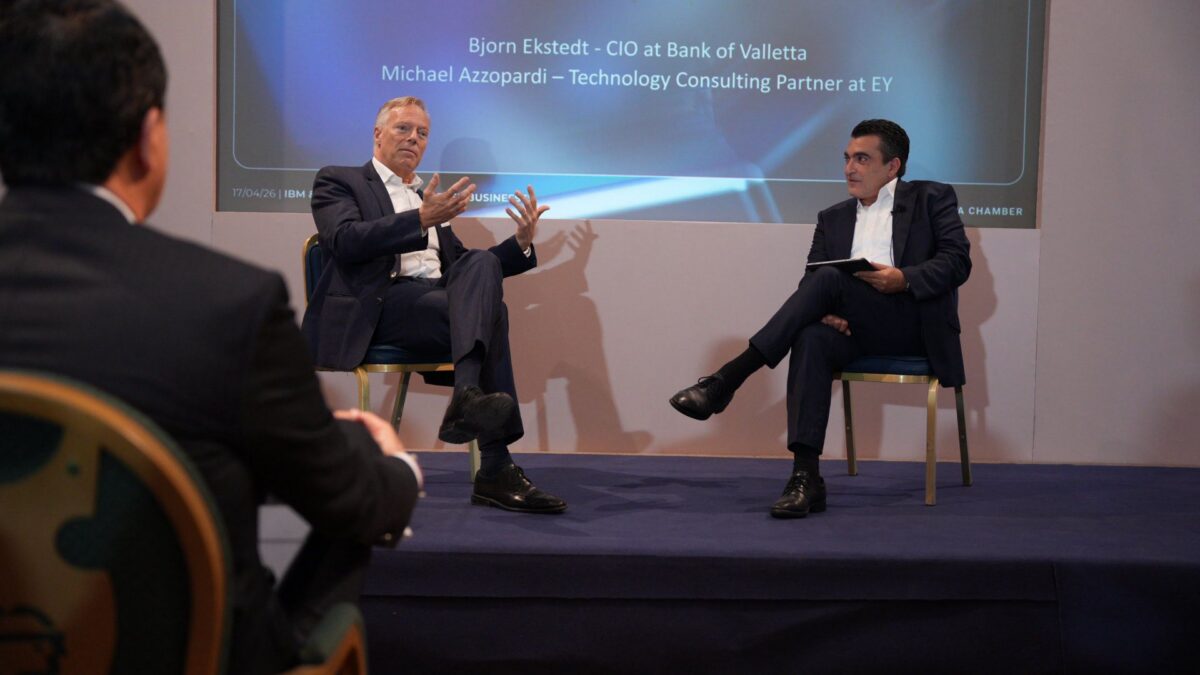
Bank of Valletta's CIO Bjorn Ekstedt, in conversation with Michael Azzopardi, Technology Conculting Partner at EY, presented its approach to cloud financial management using FinOps principles. The focus was on improving transparency and accountability in technology spending, enabling the organisation to better assess the value and profitability of digital investments.
Automation and infrastructure-as-code tools are being used to enhance efficiency, while AI-powered applications are increasingly being integrated into workflows to support productivity.
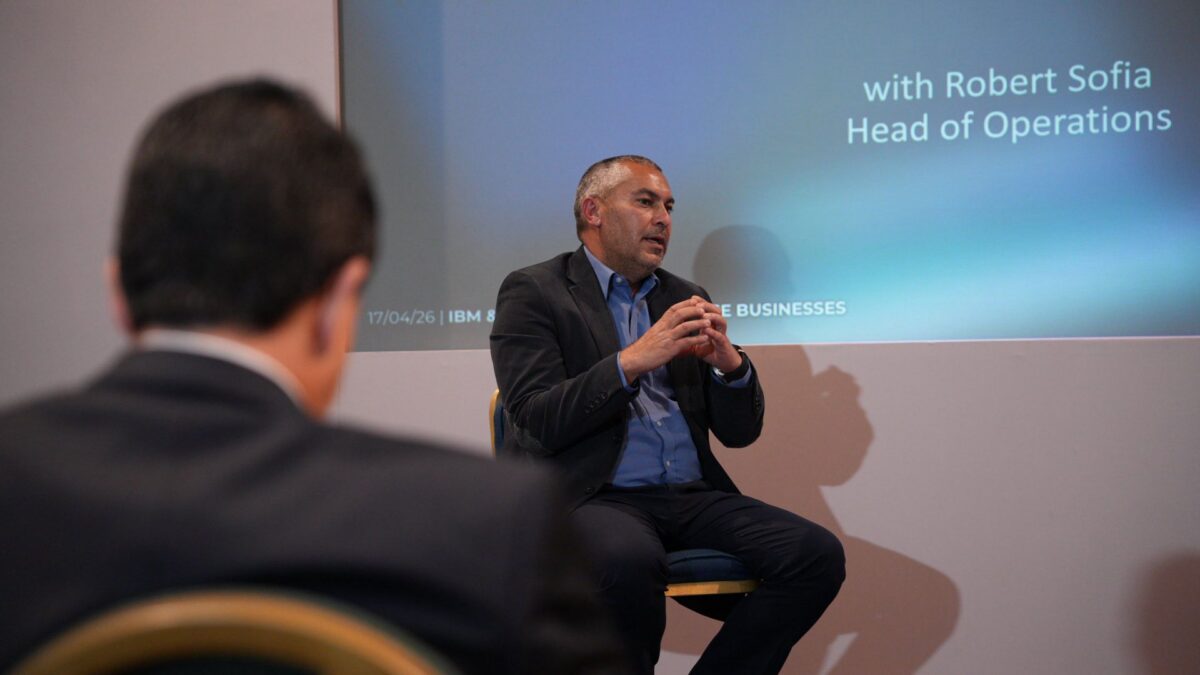
Meanwhile, Aviaserve's Head of Operations Robert Sofia showcased its use of enterprise asset management systems to optimise operations. By implementing advanced platforms to track and manage physical assets, the company is improving reliability, reducing delays and creating a scalable foundation for future growth. The system supports everything from maintenance scheduling to performance monitoring, reflecting a broader shift towards data-driven operations.
Infrastructure and resilience in focus
Beyond AI, the conference examined the underlying infrastructure required to support digital transformation.
Sessions on servers, storage and cloud technologies highlighted the importance of resilience, particularly in the face of growing cybersecurity threats. Businesses are increasingly being forced to consider how quickly they can detect attacks, recover from incidents and maintain continuity.
Modern solutions are moving towards AI-driven systems capable of automating data management and enabling non-disruptive operations, reducing downtime and operational risk. At the same time, hybrid cloud environments are emerging as a preferred model, offering flexibility while maintaining control over sensitive data.
Managing risk and governance in an AI-driven environment
As organisations adopt more advanced technologies, the complexity of risk and regulatory compliance is also increasing.
Denis Vella of PTL outlined the multiple dimensions businesses must manage, including risk assessment, due diligence and certification requirements. A structured approach to risk – encompassing tolerance, treatment, transfer and termination – was presented as essential in navigating this landscape.
AI has the potential to enhance decision-making in these areas, but only if implemented responsibly. Speakers stressed that governance must be embedded from the outset, rather than treated as an afterthought.
‘Start small, scale fast’
The closing panel, moderated by IBM’s Menicos Mavrommatis, brought together industry experts to discuss how Maltese organisations can keep pace with rapid technological change.
A clear consensus emerged: While the pace of AI development is accelerating, businesses should adopt a measured approach. Rather than attempting large-scale deployments from the outset, organisations were advised to begin with targeted use cases, build the necessary structures and scale over time.
The rise of AI agents – capable of executing tasks across multiple systems – was highlighted as a key trend, alongside the growing role of AI in cybersecurity. However, challenges remain, particularly in achieving visibility across systems and managing the increasing volume of data and alerts.
Overall, the conference underscored that while Malta has strong digital foundations, the next phase of transformation will depend on execution.
AI, cloud and data technologies are widely available, but their success will be determined by how effectively businesses integrate them into operations, manage risks and align them with strategic objectives.
As discussions throughout the event made clear, the focus is shifting from adoption to performance – and from experimentation to scalable, enterprise-wide impact.

More than 50 startups collectively awarded €15 million in financial assistance
These businesses have created around 250 quality jobs, Government said

Insurers call for urgent clarity over EV disposal procedures while highlighting ‘practical difficulties’
Malta currently lacks suitable facilities for treating these batteries, association said

Working remotely abroad? Businesses warned of potential tax risks at Mobility Elite Summit
Working remotely abroad is not just a matter of finding a nice place