


While many Maltese organisations have begun experimenting with artificial intelligence, the real hurdle lies in scaling these technologies across entire operations – a challenge that dominated discussions during multiple sessions at the IBM & Tech Trends in Maltese Businesses conference.
Across three technical presentations led by senior representatives from IBM and its partners, speakers repeatedly stressed that AI adoption is no longer the differentiator – execution, integration and governance are.
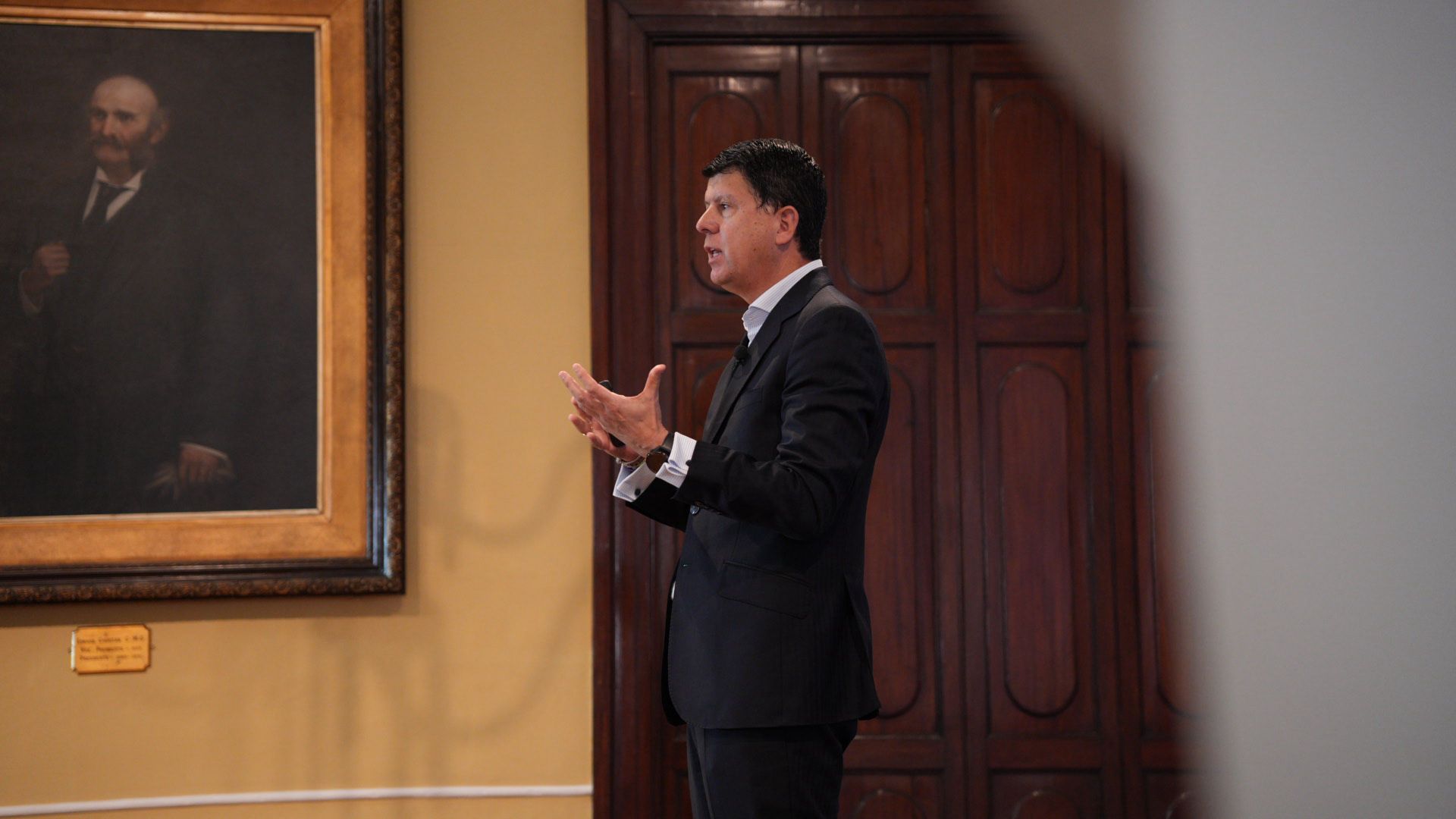
Opening the session on enterprise technology, IBM Vice President Fernando Suárez pointed to a growing gap between experimentation and real-world impact.
While many companies are already running AI pilots, scaling these solutions requires integration across complex IT environments – something many organisations underestimate. Modern enterprise systems are increasingly fragmented, combining legacy infrastructure with newer cloud-based tools, making seamless AI deployment more difficult.
A key issue lies in how businesses manage their data. Despite the vast amounts of information generated daily, only a small fraction – around 1 per cent – is currently being used to train generative AI models. At the same time, approximately 90 per cent of enterprise data remains unstructured, creating both a challenge and an untapped opportunity.
Confidence in AI also remains fragile. According to insights shared during the session, the vast majority of executives still lack strong trust in generative AI capabilities, underlining the need for more robust governance and clearer use cases.
The presentation also highlighted the growing importance of hybrid cloud environments, with IBM positioning integrated, cross-system platforms as essential for businesses looking to scale AI effectively.
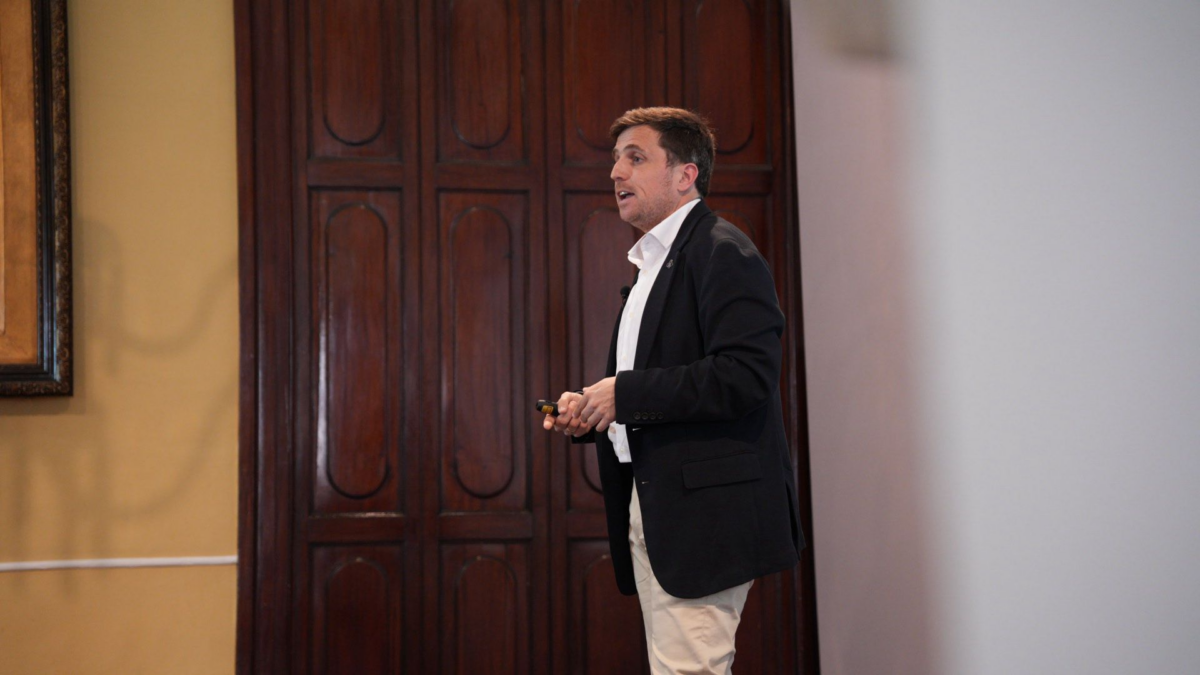
The second session, led by Santi Cantero of IBM and Juan Avilés of TD SYNNEX, focused on the gap between AI ambition and tangible business impact.
A central theme was that many AI initiatives fail not because of the technology itself, but due to poor integration, lack of oversight, or unclear objectives.
Speakers outlined IBM’s approach to addressing these issues through its watsonx ecosystem, designed to bring AI agents, data and workflows into a single, manageable environment. The emphasis is on interoperability – allowing businesses to deploy AI without needing to rebuild existing systems – as well as governance, ensuring that AI remains transparent, explainable and compliant.
Real-world examples demonstrated the potential upside. One case study showed how the use of AI governance tools significantly increased operational efficiency while accelerating project delivery, highlighting the importance of control frameworks in scaling AI responsibly.
Security was also a recurring concern. As organisations adopt more advanced technologies, ensuring systems can withstand cyber threats – and recover quickly from attacks – is becoming just as important as innovation itself.
The final session turned to the backbone of digital transformation: Infrastructure.
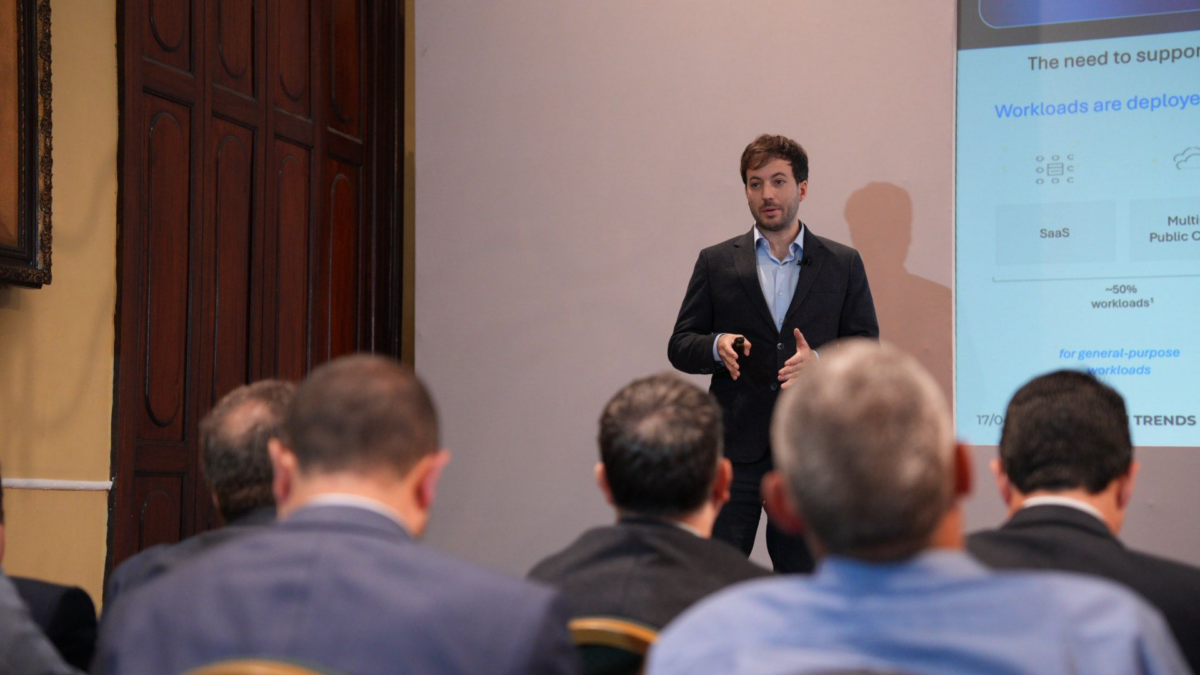
Arturo Guerrero and Juan Carlos Sánchez from IBM focused on the role of servers, storage and cloud systems in enabling secure and scalable operations. Solutions such as IBM Power servers and FlashSystem storage were presented as tools to help businesses maintain uptime, automate processes and integrate AI directly into mission-critical workflows.
A key focus was resilience. With cyber threats such as ransomware on the rise, businesses are being forced to rethink how quickly they can detect attacks, recover data and maintain continuity.
Mr Sánchez posed a series of practical questions to the audience: How long it takes to detect a breach, how quickly systems can be restored, and what the financial impact of prolonged downtime could be. These considerations are becoming central to IT strategy, particularly as regulatory requirements around data protection and compliance continue to tighten.
Newer storage technologies are also shifting towards AI-driven systems capable of automating data management and enabling non-disruptive operations – including zero-downtime data movement – reducing operational risk and complexity.
Across all three sessions, the message was consistent: the tools for digital transformation already exist, but success depends on how effectively businesses implement and manage them.
AI, cloud and data technologies are increasingly accessible, but without the right infrastructure, governance and integration strategies, their impact will remain limited.
As Maltese organisations continue to invest in digital capabilities, the focus is now shifting from adoption to execution – and from isolated innovation to enterprise-wide transformation.
Featured Image:
Fernando Suárez

More than 50 startups collectively awarded €15 million in financial assistance
These businesses have created around 250 quality jobs, Government said

Insurers call for urgent clarity over EV disposal procedures while highlighting ‘practical difficulties’
Malta currently lacks suitable facilities for treating these batteries, association said

Working remotely abroad? Businesses warned of potential tax risks at Mobility Elite Summit
Working remotely abroad is not just a matter of finding a nice place