


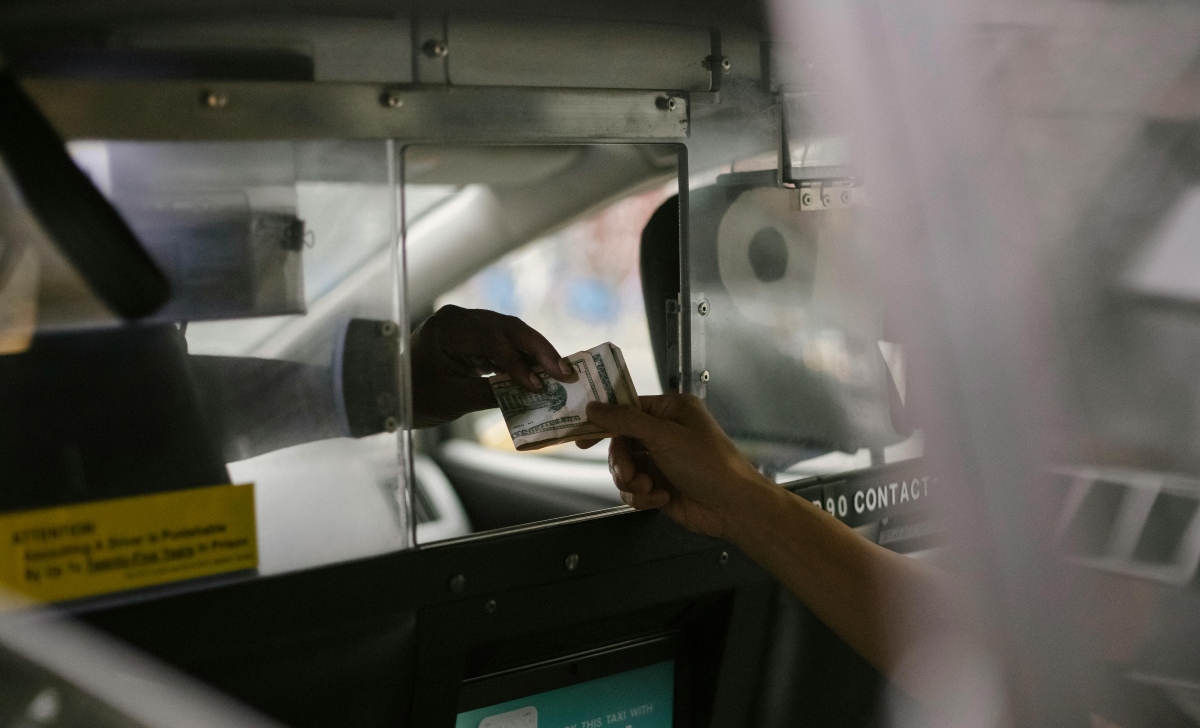
A proposed ban on cash payments for ride-hailing services has come under fire by the body representing drivers and small fleet owners, with its spokesperson arguing that eliminating cash will do little to solve the problems plaguing the industry.
The reform was broadly well-received by the Licensed Public Operators Association (LPOA), with some of the proposed changes being “good and long-suggested.”
Among the suggestions is a proposal to “eliminate or restrict cash payments,” a measure Transport Malta says will improve transparency, simplify oversight and make cabs less of a target to thieves looking for cash.
A Government consultation document on the proposed reform estimates that around 23,100 trips per day – around 35 per cent of all ride-hailing trips – are still paid in cash.
Considering the industry generates €200 million a year, the amount of cash circulating around the islands in cabs is no chump change.
Moving to entirely card and digital payments, however, is a solution that fails to address the underlying issue, claims a representative for the LPOA.
“You don’t go to a retail shop and ask them to stop accepting cash payments for safety reasons, so I don’t see why it should be different for Y-plates,” he says.
Nor, he continues, does it necessarily address the issues of money laundering or driver exploitation, as all transactions are already tracked through the app, regardless of payment method.
The spokesperson adds that the change could be counterproductive, creating unnecessary burdens for both customers and operators.
“Removing the option to pay with cash doesn’t actually eliminate the risk of money laundering. All payments are declared,” he explains.
“For example, a driver might receive €800 a month as a monthly salary, and then receive €1,200 for untaxed safety equipment and another €1,000 for fuel.”
Such practices can blur the line between legitimate earnings and undeclared income, creating opportunities for tax evasion and potential money laundering.
However, “simply banning cash doesn’t solve these problems.”
Ultimately, while many of the proposed reforms are indeed positive, the LPOA spokesperson believes they largely amount to window-dressing, and fail to tackle the core issues.
On the planned elimination of the 50-50 model – where drivers earn half of the revenue from each trip, often leading to excessively long working hours – the LPOA argues that simply removing the model won’t prevent driver abuse.
The association says that if authorities truly wanted to protect drivers, the app should display the estimated trip duration and fare upfront, before a driver can accept it.


The Remarkable Collective welcomes collaboration with NOUV, completing end-to-end business services portfolio
The addition directly addresses the sophisticated needs of today’s businesses
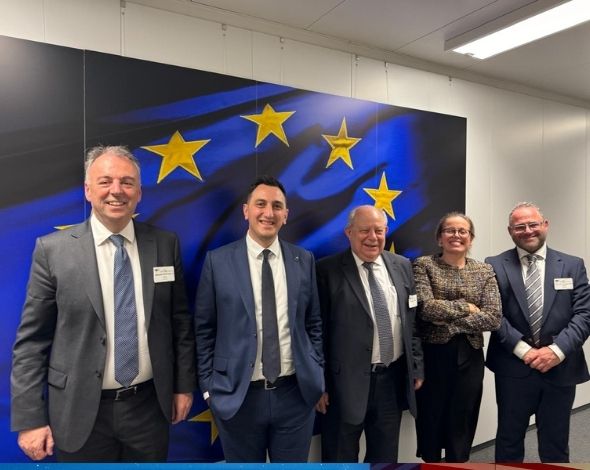
Malta Maritime Forum warns EU ‘green’ law driving business to North Africa
Malta Maritime Forum warns southern EU ports risk becoming feeder hubs playing a secondary role to extra-EU ports
Hotel bedspace increases by 27% since 2022
The sector is steadily expanding its accommodation supply