


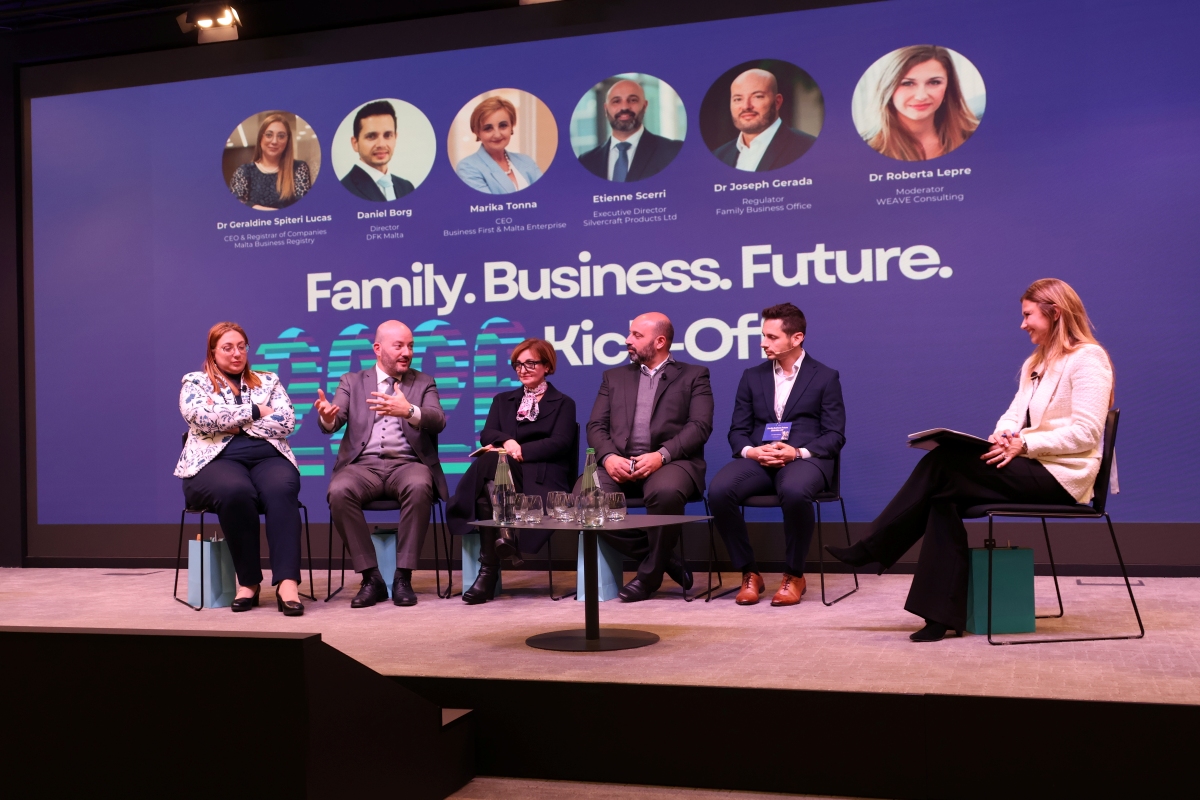
An event held recently by the Family Business Office on 21st January at the Malta Business Registry's offices in Żejtun brought together regulators, advisors, corporate service providers, business owners, employees, and family members at very different stages of the family business journey. Some were founders. Others were preparing for generational transition. A few were there simply to understand what support exists – before it becomes urgent.
What stood out immediately was that this was not a promotional event. It was a practical conversation about continuity, governance, and the future of Malta’s family businesses. The panel in attendance – made up of Family Business Office Regulator Joseph Gerada, Head of Secretariat Roberta Dalli Albanese, Moderator Roberta Lepre from WEAVE Consulting the ESG Specialists, Silvercraft Products Ltd Strategic Director Etienne Scerri, Malta Business Registry CEO & Registrar of Companies Geraldine Spiteri Lucas, Business First & Malta Enterprise CEO Marika Tonna, and DFK Malta Director Daniel Borg – was also a clear testament to that.
When the conversation starts with the uncomfortable
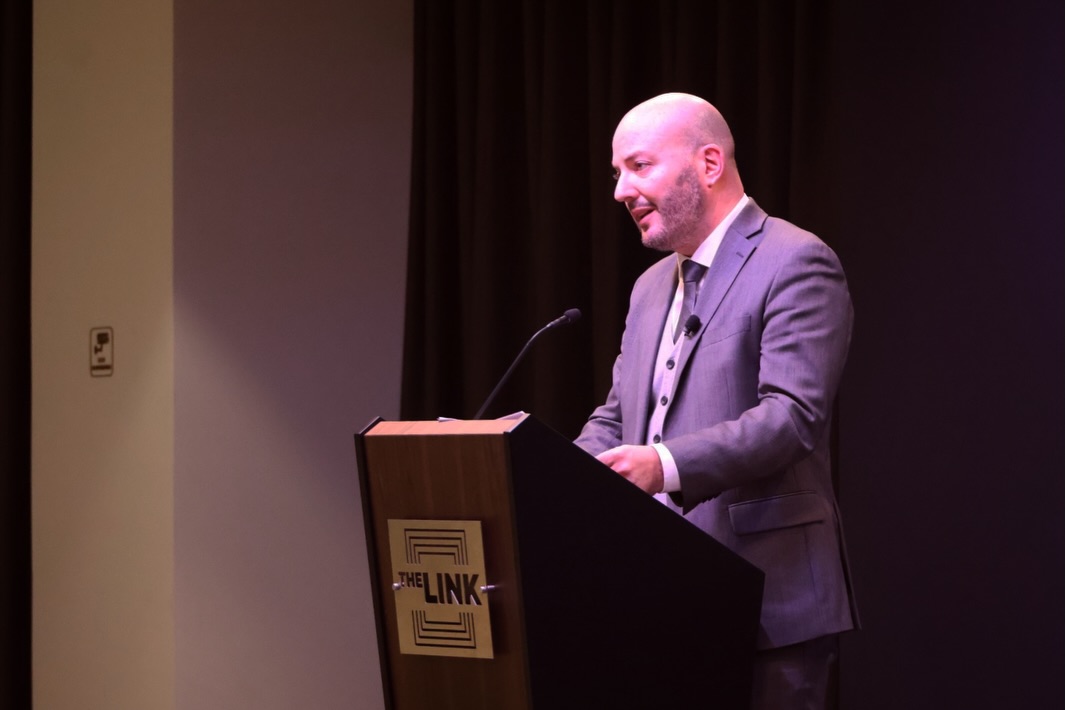
Following Ms Dalli Albanese's opening of the event, Dr Joseph Gerada, who leads the Family Business Office, set the tone for what was to come by directly addressing an uncomfortable truth – death. He spoke candidly about the brevity of life, reminding the audience that it does not wait for anyone.
Family business succession planning in Malta, he stressed, cannot begin after something happens. By then, it is too late.
He posed questions that lingered throughout the evening: Have you started thinking about the future? What were your priorities? Did you do enough?
For many in the room, these were not abstract reflections but very real concerns tied to businesses built over decades.
Dr Gerada also highlighted a shift he is now seeing on the ground. For years, many family businesses did not even realise they were fundamentally different from other enterprises. That mindset is changing.
He noted increased awareness, particularly among younger family members – including teenagers who are not yet involved in the business but are already attending information sessions. That early curiosity, he suggested, is key to long-term continuity.
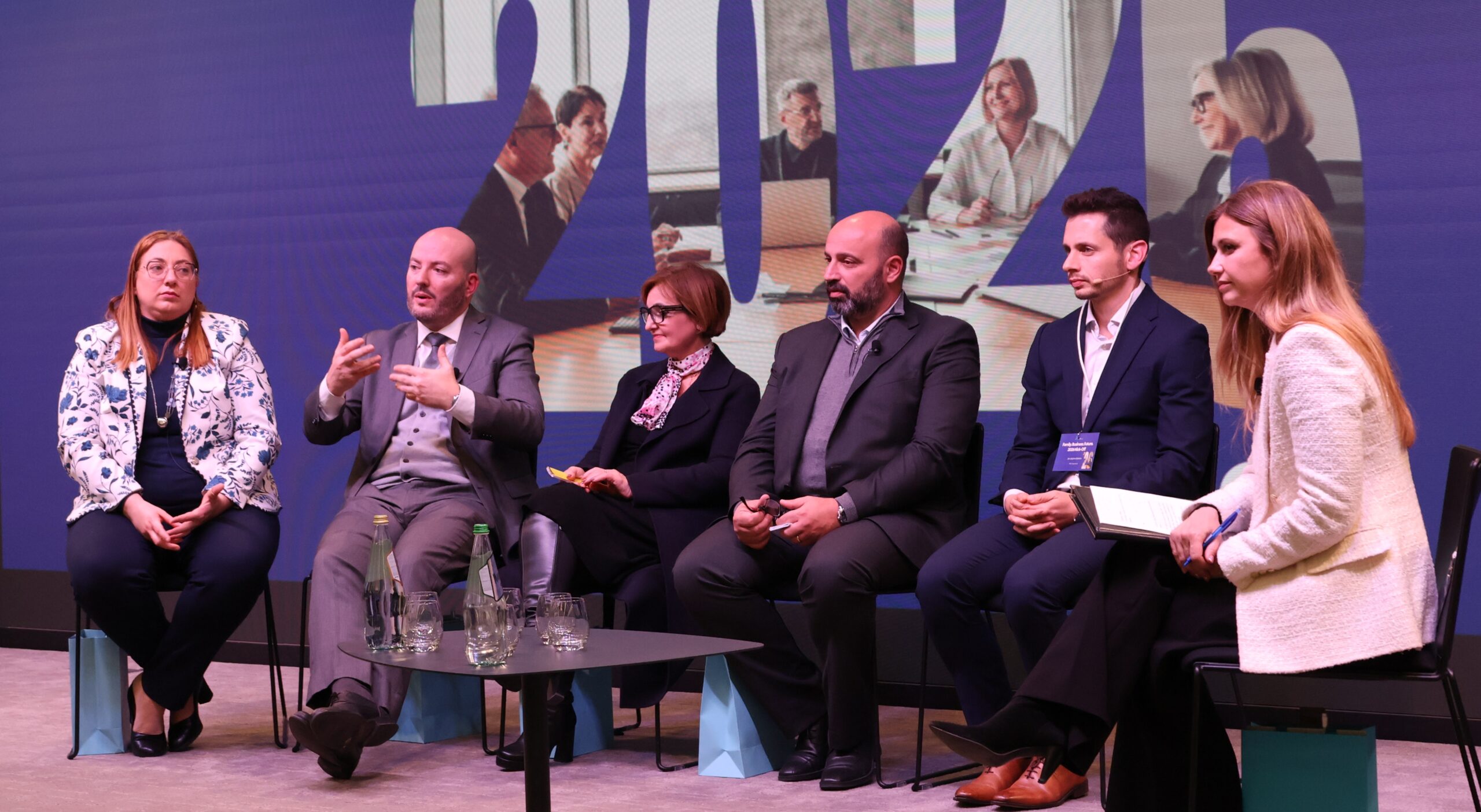
Change does not happen overnight. But understanding incentives, governance structures, and available support is an essential starting point.
The importance of transparency and compliance was reinforced by Dr Geraldine Spiteri Lucas, CEO and Registrar of Companies at the Malta Business Registry.
She spoke about how compliance is not just a regulatory box-ticking exercise – it directly affects investor confidence and generational transition. In some families, she explained, it is the younger generation pushing for better governance, while founders remain reluctant.
As Daniel Borg, Director at DFK Malta, put it bluntly – not being compliant is not worth it. He also stressed the value of involving external professionals and properly documenting processes to support continuity.

Values, people, and the next generation
Etienne Scerri, the Executive Director of family business Silvercraft Products Ltd shared a more personal perspective. His company now has its first 19-year-old shareholder – his son.
Preparation for the next generation is already underway, he explained, but without pressure. If his son chooses to be part of the business, the door is open; if not, that choice is respected.
The discussion also touched on recruitment and values. External hires can strengthen governance, but only if they align with the family’s ethos.
Gender representation was another issue raised openly. While women are often shareholders in family businesses, they remain under-represented at board level. Some attitudes, it was acknowledged, are still rooted in outdated assumptions – a reminder that governance challenges are often cultural as much as structural.
Incentives, funding, and practical support
From a practical standpoint, Marika Tonna, CEO of Business First, outlined the incentives and schemes available through Business First and Malta Enterprise.
Among the most relevant takeaways:
• Micro Invest, one of the most popular schemes for small companies
• Business development incentives that can reach up to €300,000
• Support for the rental or purchase of industrial property, an area currently in short supply
• Guidance on trademarks and intellectual property
• Continued investment in innovative start-ups, with a clear appetite for risk
She also reminded attendees that some schemes require applications well in advance – another reason why planning ahead is critical.
This session was particularly relevant for:
• Founders thinking about legacy and succession
• Second- and third-generation family members navigating change
• Advisers and Corporate Service Providers (CSPs) supporting family enterprises
• Young people considering whether to join the family business
• Any family business looking to strengthen governance, compliance, and resilience
The discussion was honest, engaging, and highly relatable, grounded in real cases.
And if you have questions?
Perhaps the most reassuring takeaway was that support is accessible. Businesses do not need to navigate this alone.
Those seeking guidance can get in touch with the Family Business Office directly via their email, website and phone on 2219 6167.
There was also ample time to network, exchange experiences, and have informal conversations. I do not have a family business – but if I did, I now know exactly where I should go.
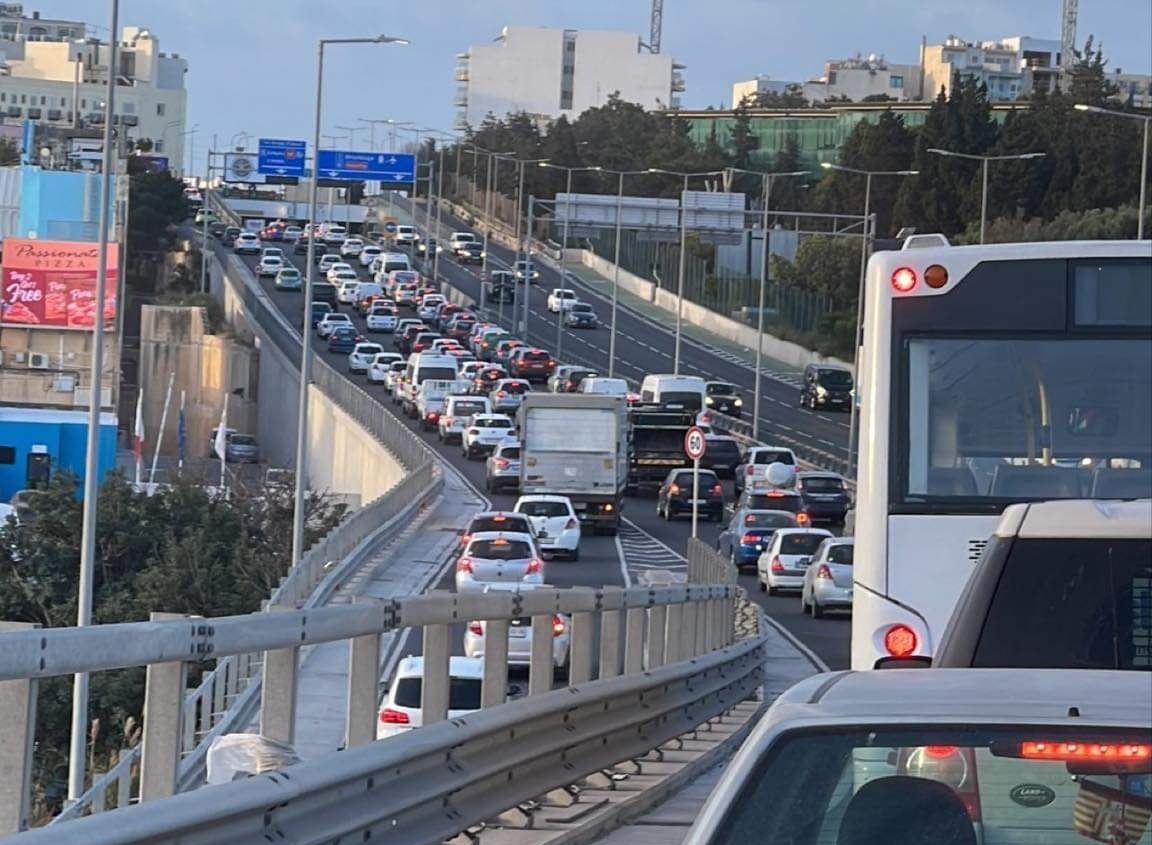
Malta’s traffic congestion takes toll on tourist experience and investor impressions
Malta’s traffic congestion is putting pressure on tourist guides, frustrating visitors and leaving a negative impression on potential foreign investors
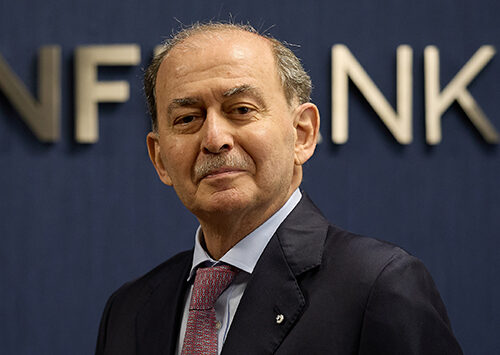
BNF Bank welcomes Izzat Nuseibeh as Chairman, reinforcing its long-term commitment to Malta
He brings more than four decades of international banking experience across corporate, private and institutional banking
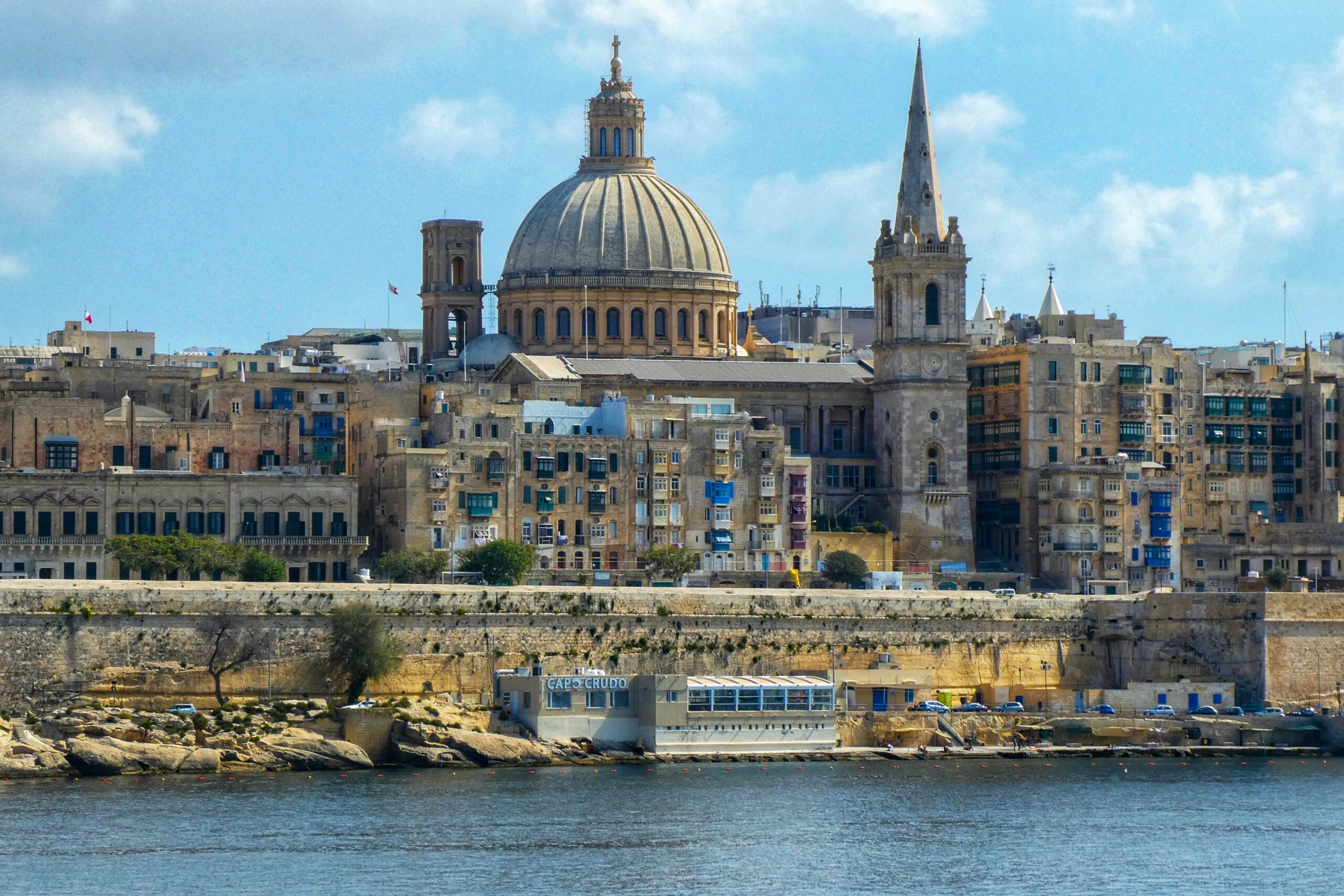
Malta’s FDI appeal rises, but concerns about skills shortage persist, EY survey finds
44% of investors describe Malta’s planning and preparedness for population growth as inadequate