


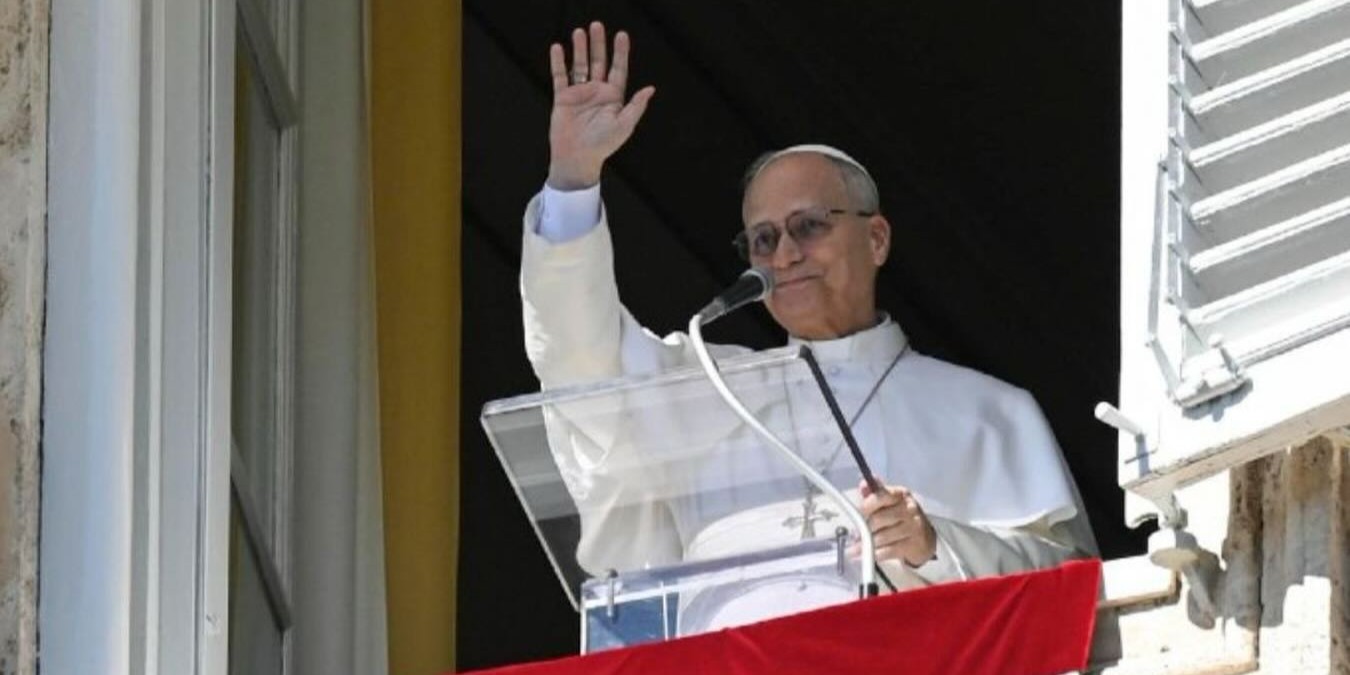
As artificial intelligence rapidly becomes embedded in workplaces, boardrooms and business strategies worldwide, Pope Leo XIV has issued a warning to those shaping the future of the technology: Do not allow efficiency and technical power to override human dignity.
In his latest encyclical on AI, the Pope does not reject technological progress. Instead, he presents AI as a potentially valuable tool that requires “a measured and vigilant approach”, while cautioning against what he describes as an “anti-human vision” emerging from an increasingly technocratic society.
For business leaders racing to adopt AI systems, automate operations and improve productivity, the document offers several lessons that go beyond ethics checklists or compliance exercises.
AI should support people, not replace human judgement
One of the clearest themes throughout the letter is that AI must remain subordinate to human conscience and responsibility.
The Pope stresses that artificial intelligence systems only imitate aspects of human intelligence and do not possess understanding, empathy, moral reasoning or lived experience. While AI may outperform humans in speed and computation, he argues that it cannot understand concepts such as responsibility, friendship, love or justice.
For companies increasingly relying on AI in hiring, customer service, performance evaluations and decision-making, this serves as a warning against excessive dependence on automated systems.
The encyclical specifically warns that sensitive decisions relating to employment, access to services and reputation risk being delegated to systems incapable of compassion or forgiveness.
Business leaders therefore face an important question: where should automation stop and human judgement remain essential?
While AI can help process information faster and improve operational efficiency, the Pope argues that accountability cannot disappear behind algorithms.
Transparency and accountability matter
Another major takeaway for executives is the importance of governance.
The Pope repeatedly raises concerns about opaque AI systems where even developers may not fully understand how outputs are generated. He warns that without transparency, assigning responsibility becomes difficult when errors, discrimination or harm occur.
For businesses, this reflects growing global pressure around explainable AI, ethical governance frameworks and regulatory oversight.
Companies deploying AI tools may increasingly need to demonstrate:
- how systems reach conclusions,
- who remains accountable for decisions,
- how bias is monitored,
- and what safeguards exist for affected individuals.
The encyclical argues that ethical AI is not simply about using systems for good purposes, but also about examining how the systems themselves are designed and what assumptions are embedded within them.
This may resonate particularly strongly with HR departments, fintech firms, insurers and businesses using predictive analytics.
Efficiency is not the highest human value
Perhaps the encyclical’s strongest challenge to modern business culture is its criticism of the idea that efficiency should become the ultimate measure of success.
The Pope warns that societies risk reducing human beings into “a project to be optimized rather than as persons called to relationship and communion”.
For leaders focused on automation, productivity metrics and cost-cutting, the message is clear: businesses should not sacrifice human connection, creativity and care in pursuit of operational optimisation.
The letter also highlights concerns that AI may weaken personal judgement and creativity by encouraging people to rely too heavily on ready-made answers generated by machines.
This concern is increasingly relevant in workplaces where employees are beginning to use generative AI tools daily for writing, analysis, communication and ideation.
Rather than replacing critical thinking, the Pope’s argument suggests AI should augment human capability while preserving room for reflection, discretion and personal responsibility.
AI adoption also carries environmental costs
Interestingly, the encyclical does not limit itself to social concerns.
The Pope also highlights the environmental impact of AI systems, noting that advanced models require enormous amounts of energy, water and computing infrastructure.
As businesses expand their use of AI tools and cloud-based systems, sustainability may become a growing part of the conversation.
The encyclical also reflects concern about the concentration of technological power among a small number of corporations and countries.
The Pope argues that AI risks amplifying the influence of those who already control data, infrastructure and computational resources, potentially undermining social justice and democratic participation.
For business leaders, especially in smaller economies like Malta, this raises strategic questions about technological dependence, digital sovereignty and the growing dominance of global AI platforms.
The final message
Towards the end of the document, the Pope directly addresses AI developers, saying that every design choice reflects a vision of humanity and carries ethical responsibility.
Executives, policymakers and investors are equally shaping how AI will influence workplaces, economies and societies over the coming decades.
Featured Image:
Pope Leo XIV / Facebook via Vatican News
Tax cuts, AI incentives and infrastructure investment: What businesses want from Budget 2027
From corporate tax reductions and digitalisation grants to infrastructure investment and workforce development
Education system ‘stifles creativity’, Malta Employers’ chief says as association calls for ‘transformation’
Association's Director General says system is geared towards conformity

MFSA flags missing information in pension statements
Some pension statements omitted key details on investments, fees, contributions and account changes