


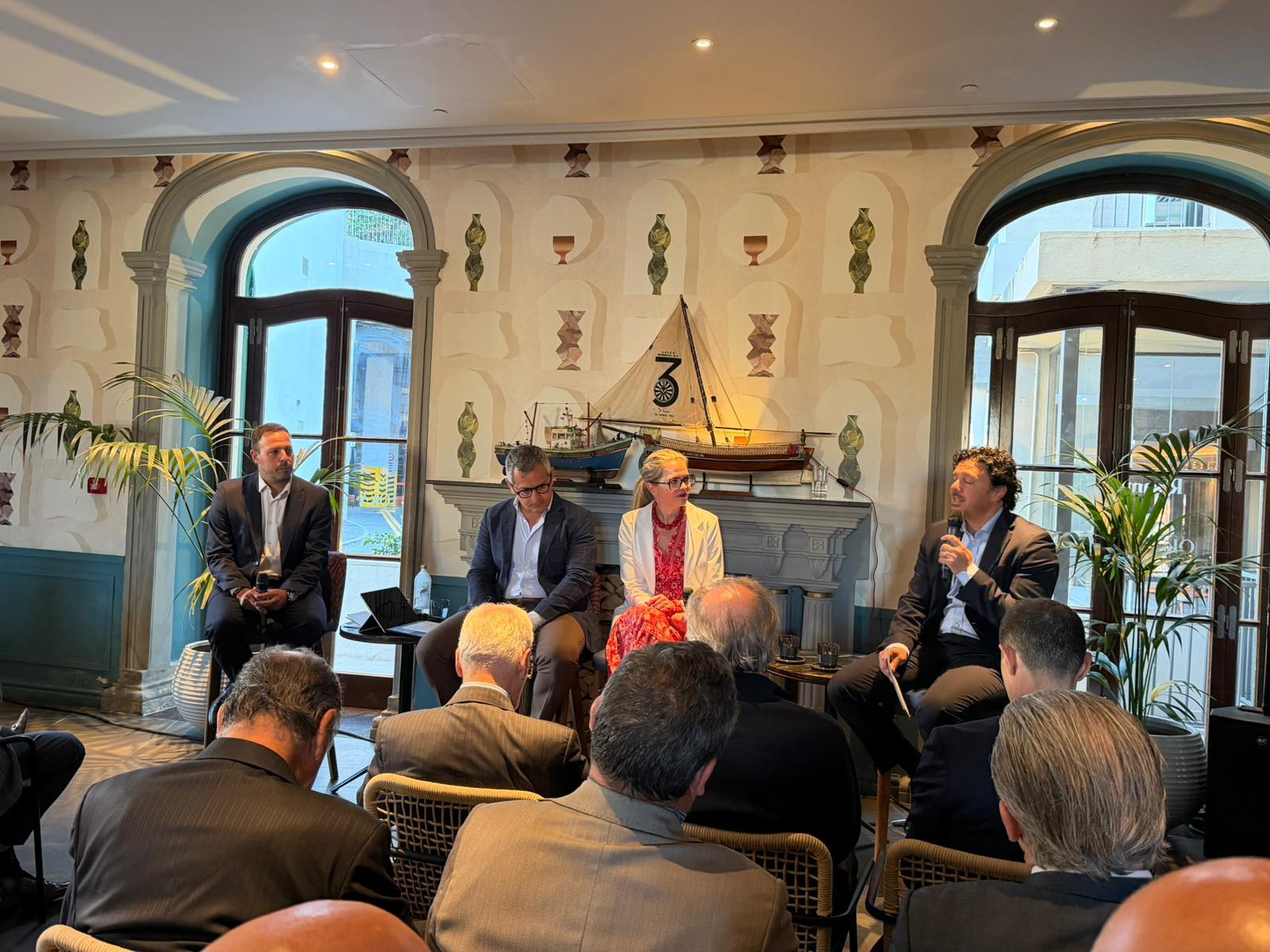
The real value of mergers and acquisitions (M&A) is often won or lost after the deal is signed, panellists told a Malta Business Network discussion that focused on the often underplayed, and frequently underestimated, integration phase of M&A.
Titled "From Acquisition to Integration: Unlocking Value in M&A," the event brought together business and advisory perspectives on what differentiates successful transactions from those that stall once ownership changes hands.
The discussion was moderated by corporate and capital markets lawyer Malcolm Falzon, with Camilleri Preziosi sponsoring the session.
Setting the tone for the discussion, he explained that the panel would seek to explore the full M&A journey, from strategic acquisition target identification through to effective integration, with insights on unlocking long-term value and touching on what differentiates successful integrations from those that fall short.
“Proper pre-transaction structuring, thorough due diligence, careful negotiation of representations and warranties, governance of the transition period (who runs what, and for how long) and post-completion planning, are essential,” he said.
Andrew Mangion, Executive Chairman and CEO of the EC Group, drew on his experience of more than two decades of acquisitions across multiple jurisdictions, describing M&A as “relatively straightforward” compared to the work required afterwards.
“The real magic is in integration, that’s where fortunes are lost or value is created,” he said, adding that his group’s expansion beyond Malta was driven by the recognition that remaining “a big fish in a small pond” ultimately limits growth.
He explained how the company refined its approach over time, shifting from opportunistic deals to a clearer acquisition “playbook”, including target criteria such as location, scale, and specific business areas where he could add value, such as sales and marketing.
“If we found someone of a particular size and location, who was also weak at marketing, that would generally be considered a good acquisition prospect for us,” he said, later explaining that he has been involved in more than 13 acquisitions in over 8 countries.
Mr Mangion also said the group typically avoided auction and ‘bidding war’ situations, arguing that competitive bidding tends to work in the seller’s favour. Building trust with potential sellers, he said, can take years and often starts well before any formal process begins.
It was also important to be sure that the target’s owners truly wanted to sell. A lot of time and money can be spent on chasing down a deal with someone who hasn’t actually decided to exit, he said.
Marco Mercieca, co-CEO and co-Managing Partner at Tri-Mer Services, said the group’s early acquisitions, including a family business and later an accounting firm, offered lessons in preparation and communication, particularly when integrating teams and systems.
He described a strategy used during an audit-sector integration, where a new system was introduced once staff from both sides were onboarded so that employees learned together rather than falling into an “us versus them” dynamic.
“Communication is key,” he said, adding that consistency is critical during change: “Stick to your guns,” he cautioned, warning against shifting goalposts once integration starts.
Independent Human Capital M&A and transformation adviser Sylvie Coudène, who previously led M&A Talent Integration across Europe at Accenture and built the M&A People function at Azets, warned that deal teams can become overly absorbed by valuation and legal completion.
This can often come at the expense of preparing sufficiently for day-one leadership, operating model choices, and the people implications that follow, she said.
“I have seen deal teams focus on the price and not prepare for after the transaction, and this is what makes or breaks success,” she said, arguing that culture remains a decisive factor in post-deal performance.
In her view, the popular business adage “culture eats strategy for breakfast” is particularly true in M&A, where misunderstandings about how a business actually runs can result in delays, indecision, and avoidable disruption.
A recurring theme throughout the discussion was due diligence beyond the numbers. With dozens of M&A deals under her belt, Coudène likened the process to a marriage, arguing that both buyers and sellers need to test assumptions early and treat risks as issues to be mitigated post-deal rather than automatic deal-breakers.
She also stressed the importance of meeting the people behind the business, noting that leadership alignment and cultural fit can determine whether clients and key employees stay or leave.
Audience questions touched on when to begin preparing organisations for a merger and how to manage disruption during the sale process.
The Malta Business Network organises monthly industry-specific panel discussions bringing together business leaders, policy makers, and experts.
Next month’s event will be held on 15th June and will focus on the future of the yachting industry and yacht finance in Malta.

Rising unemployment reflects skills gap among Maltese workers, economist says
Economist Professor Philip von Brockdorff said that ‘AI can restrict job opportunities for persons with very low skills’
40.8% say their financial situation is better this year than last, survey finds
3 out of every 4 people say their standard of living is average

Two bids submitted to replace Gozo Channel’s Nikolaos
Caronte e Tourist and Ragusa Xpress are the two companies that placed the bid