

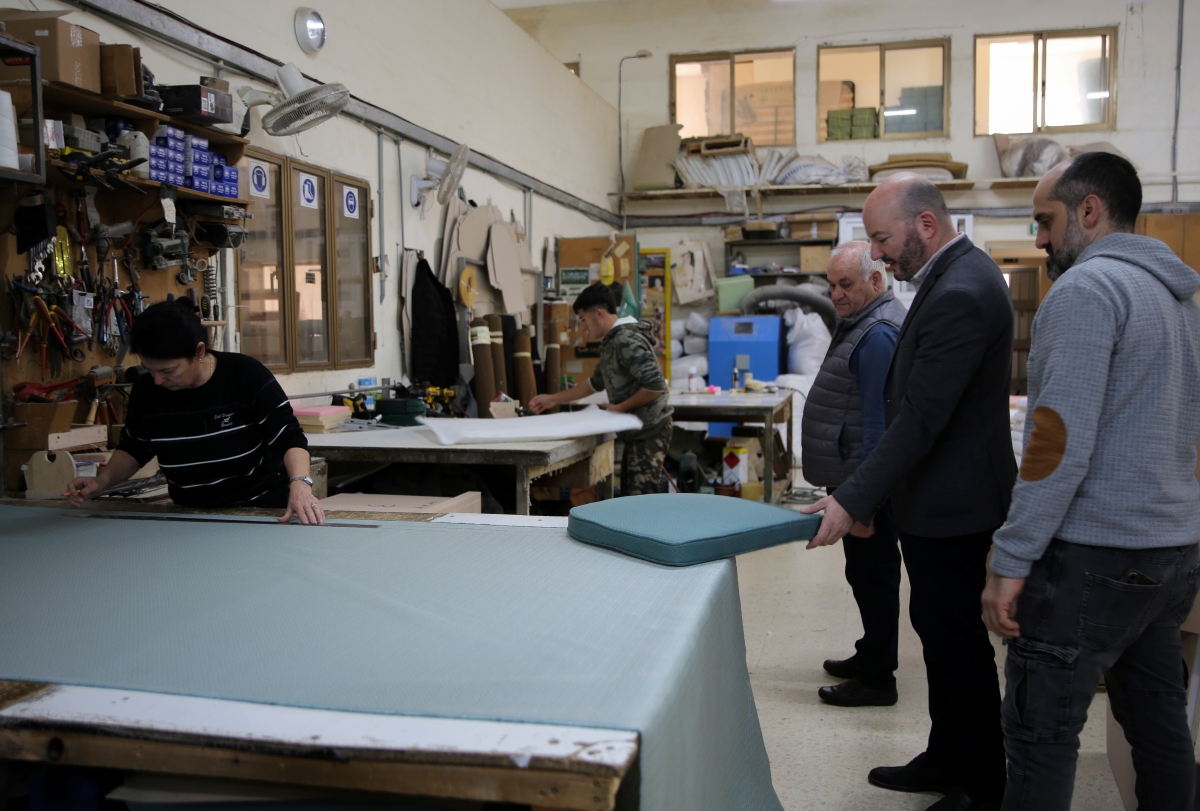
A recent cooperation agreement, signed between Malta’s Family Business Office (FBO) and Servizzi Ewropej f’Malta (SEM), has come into effect, aiming to ease the process towards the acquisition of EU funding.
“The rationale behind this initiative is to streamline the process towards applying for open calls or schemes launched by the different bodies of the European Union. There are several opportunities which could be beneficial to family business, but which could be difficult to access due to, for instance, lengthy applications,” says Claude Abela, Senior Manager at the FBO, adding that the collaboration was the end result of an intergovernmental effort, with discussions having commenced last year.
For those family businesses seeking to expand further, internationalise, or supplement their financial bottom-line, EU funding could prove invaluable. “There are several calls each year, for a variety of opportunities, and aimed at diverse businesses across sectors. Unfortunately, many are unaware of them, or think that they do not qualify, and therefore they miss out on application deadlines,” the Senior Manager explains.
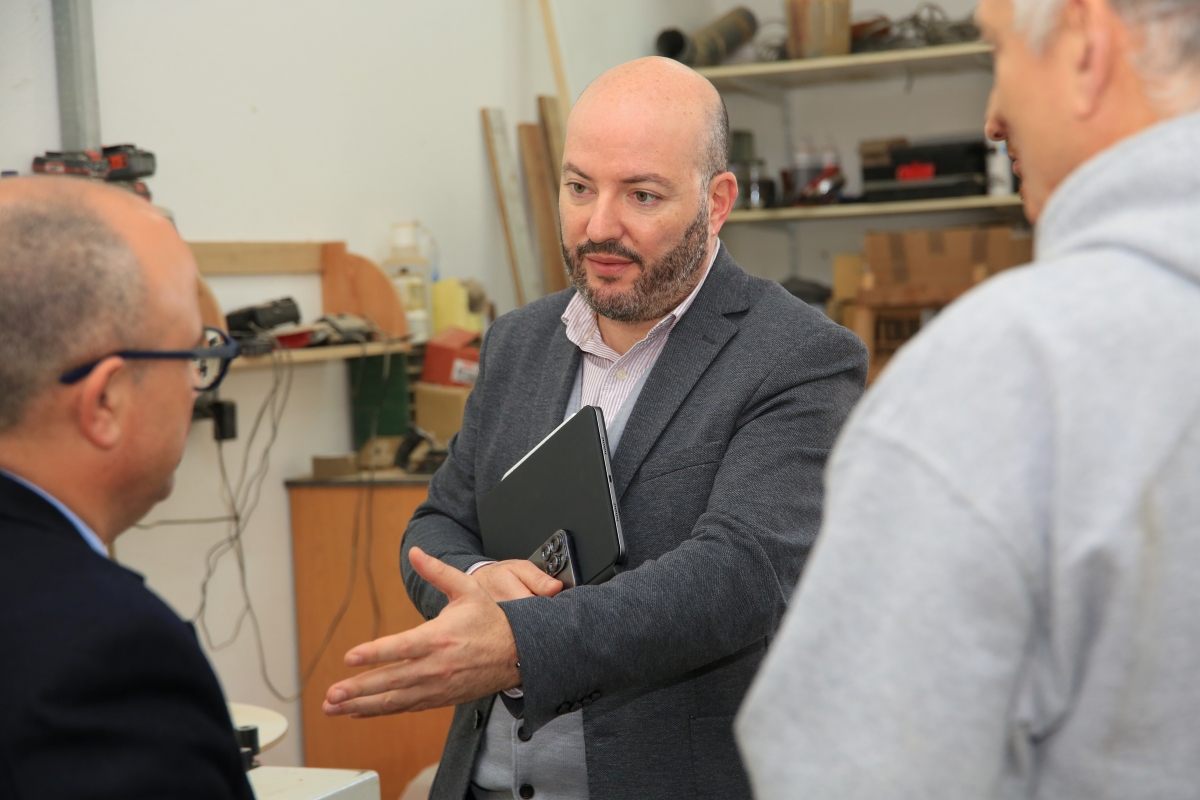
For many small-to-medium enterprises, Mr Abela continues, the process through which to understand the requirements of each call, as well as to keep up-to-date on the latest schemes, is often fraught. However, “with this cooperation agreement, both the FBO and SEM are trying to demystify the mechanisms and policies which could be of direct relevance to businesses on the island, whatever industry they operate within.”
In this sense, the goals of the FBO and SEM are aligned. “We are both intent on giving every possible tool to family businesses to enable them to thrive,” the Senior Manager affirms.
For businesses keen to capitalise, “come and speak to us, here, at the Family Business Office, and we will guide you and put you in touch with the right people,” Mr Abela continues. The entity has already started to field interested parties, directing them to their contacts at SEM, who typically request a first meeting (physical or online) to discuss the necessities and challenges faced by the business in question.
“SEM boasts a very capable team who are aware of the issues across various sectors; for example, they have staff possessing expertise in the agricultural industry, and who will, therefore, know the applicable calls as well as how best to navigate them. There are some schemes which will come with certain pre-requisites, or terms and conditions, such as the stipulation to have registered a certain minimum or maximum of revenue in the previous years. However, SEM is able to help companies with these applications from start to finish” Mr Abela notes.
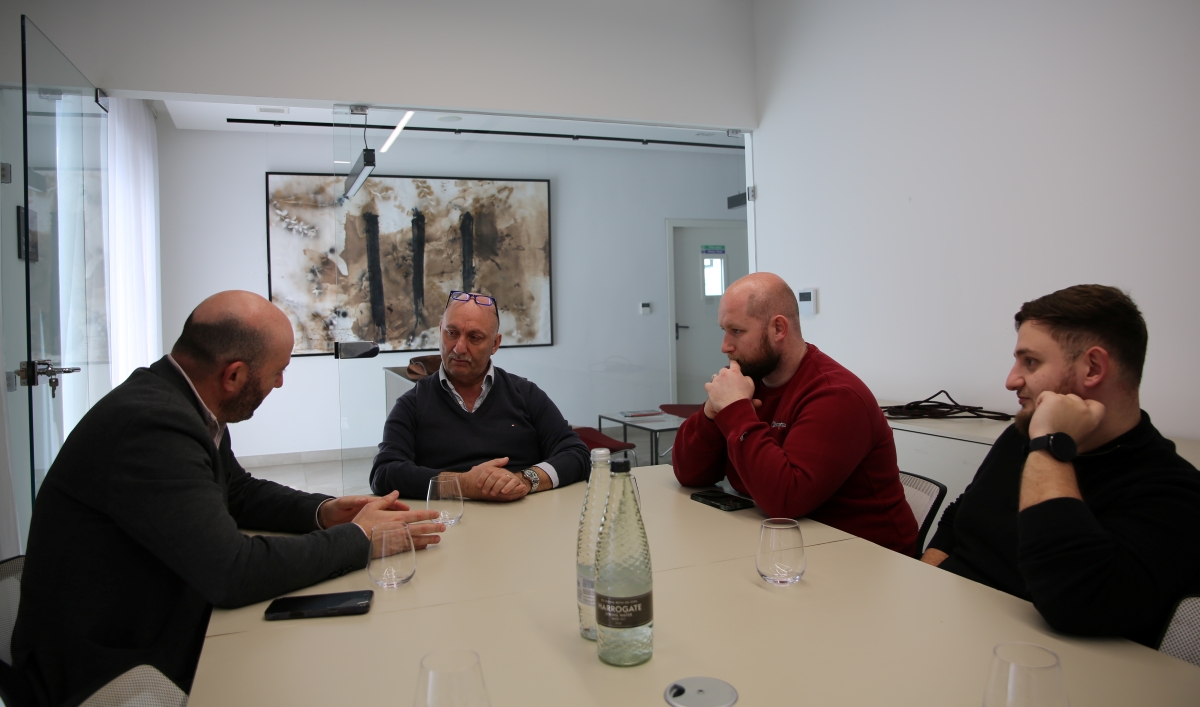
Crucially, during the first meeting, SEM will aim to understand the business, including how long it’s been operating, its profit and loss profile, as well as its future goals. From there, they will identify any open calls that might be of relevance; they will then check the compliance criteria and start the application process. This is, at times, “lengthy”, says Mr Abela, with the parties having to meet more than once to complete everything to satisfaction.
Such assistance could also aid in bolstering the sustainability of each business. “This is vital. EU funds are structured around helping business achieve certain goals. In this sense, certain financial schemes could be accessed to, for example, help companies modernise their operations, or upgrade their technology infrastructure,” Mr Abela says.
The cooperation agreement signed between the FBO and SEM is but one of several initiatives aiming to assist family companies on the island. Notably, the Office is also organising training on different business topics in collaboration with other entities. These include a session on cybersecurity, being delivered in conjunction with the MDIA (Malta Digital Innovation Authority); there will also be programmes run by the MBR (Malta Business Registry) teaching participants about the different business set-ups, with a focus on the legal and financial obligations of company directors.
“We’ve noticed that many are not informed and are unaware of what the role entails. This is one of the many gaps we’re trying to fill with our training sessions; others include knowledge of tax compliance across jurisdictions, and tech readiness for small business. In these cases, too, we will have experts in these fields coming to speak on these topics,” Mr Abela explains, adding that the details of these courses will be made public through the FBO’s social media and their mailing list distributed to registered members.
Looking ahead, the Senior Manager affirmed the Office’s commitment to supporting family businesses in Malta even through local funding. “There are, of course, other incentives and schemes which are offered domestically. One worth mentioning is the SME Guarantee Scheme, organised together with the Malta Development Bank (MDB). In this case, the MDB would cover 80 per cent of any collateral when a company requests a loan from a local financial institution.” This, he says, together with the training programmes, Malta’s other financial incentives, as well as the assistance from SEM, should “give family companies a good push.”


Tourist spending hits €1.21 billion in Malta in second quarter of 2026
The average length of stay per tourist dropped from six nights in 2025 to 5.5 nights this year

Revolut won’t disclose number of data breach victims in Malta, but there is at least one
Hackers obtained files by compromising an Italian government email system
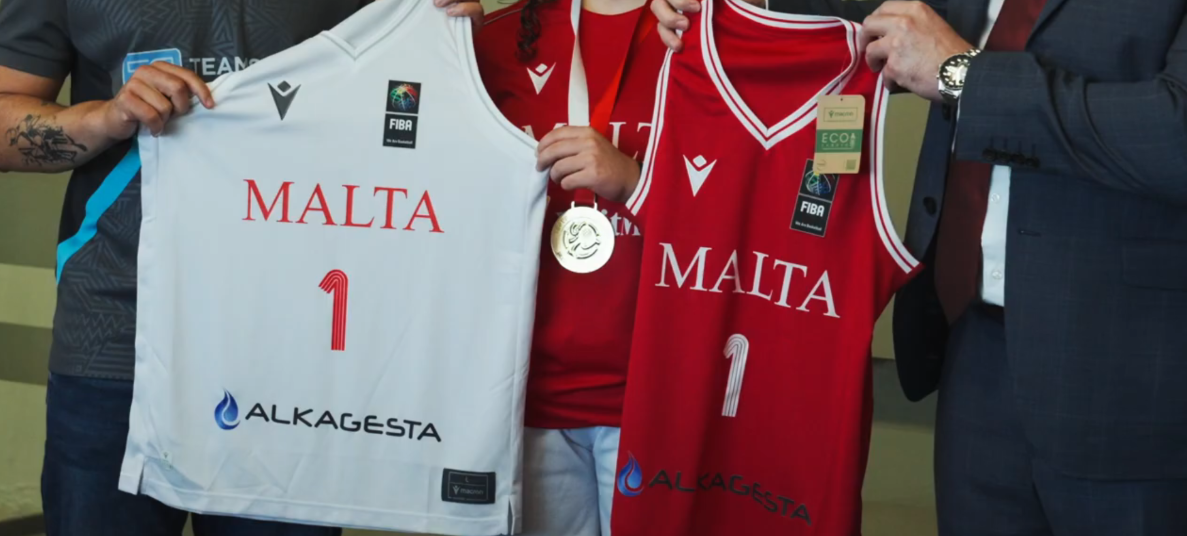
Alkagesta hosts Malta U16 women’s basketball champions at Malta office
The Maltese team won with a score of 76-51