


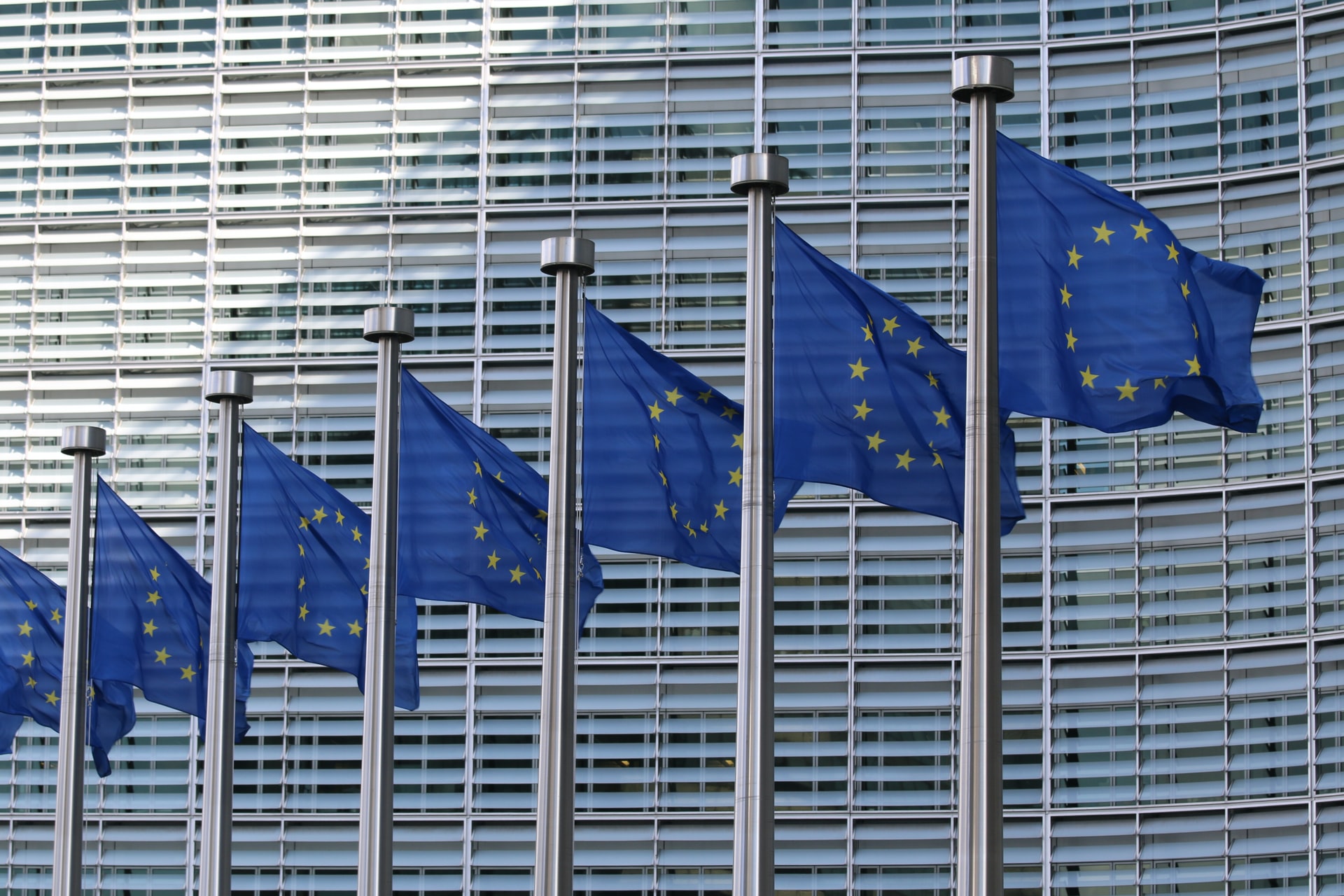
The average work week in Malta is longer than the EU average, data published by Eurostat reveals.
In 2025, the actual weekly working hours of EU full-time and part-time workers aged 20-64 in their main job averaged 35.9 hours, down from 36.9 hours in 2015, Eurostat reports.
In Malta, the average was 37.5 hours in 2025.
Eurostat explains that the “actual weekly hours of work” refer to the total number of hours a person has spent on work activities, during the reference week, in the main job. This encompasses all hours worked, including main job-related extra hours, irrespective of compensation. “Excluded from this measure are periods of absence from work such as sick leave, holidays and commuting time.”
The longest working weeks according to Eurostat were recorded in Greece, with 39.6 hours. Bulgaria and Poland followed, both with 38.7 hours.
The data shows that the Netherlands had the shortest working week (31.9 hours), followed by Denmark and Germany (both 33.9 hours).
The average working hours include both full-time and part-time workers, Eurostat said, meaning that the results are affected by the varying proportions of part-time workers across countries, in addition to differences in legal frameworks and in country-specific usual length of the workweek.
The data shows that the occupations with the longest working week in the EU were skilled agricultural, forestry and fishery workers with 42 actual working hours, and managers (40.6 actual working hours), while in Malta, the longest actual working hours were skilled agricultural, forestry and fishery workers (42.4) and plant and machine operators and assemblers (40.2).
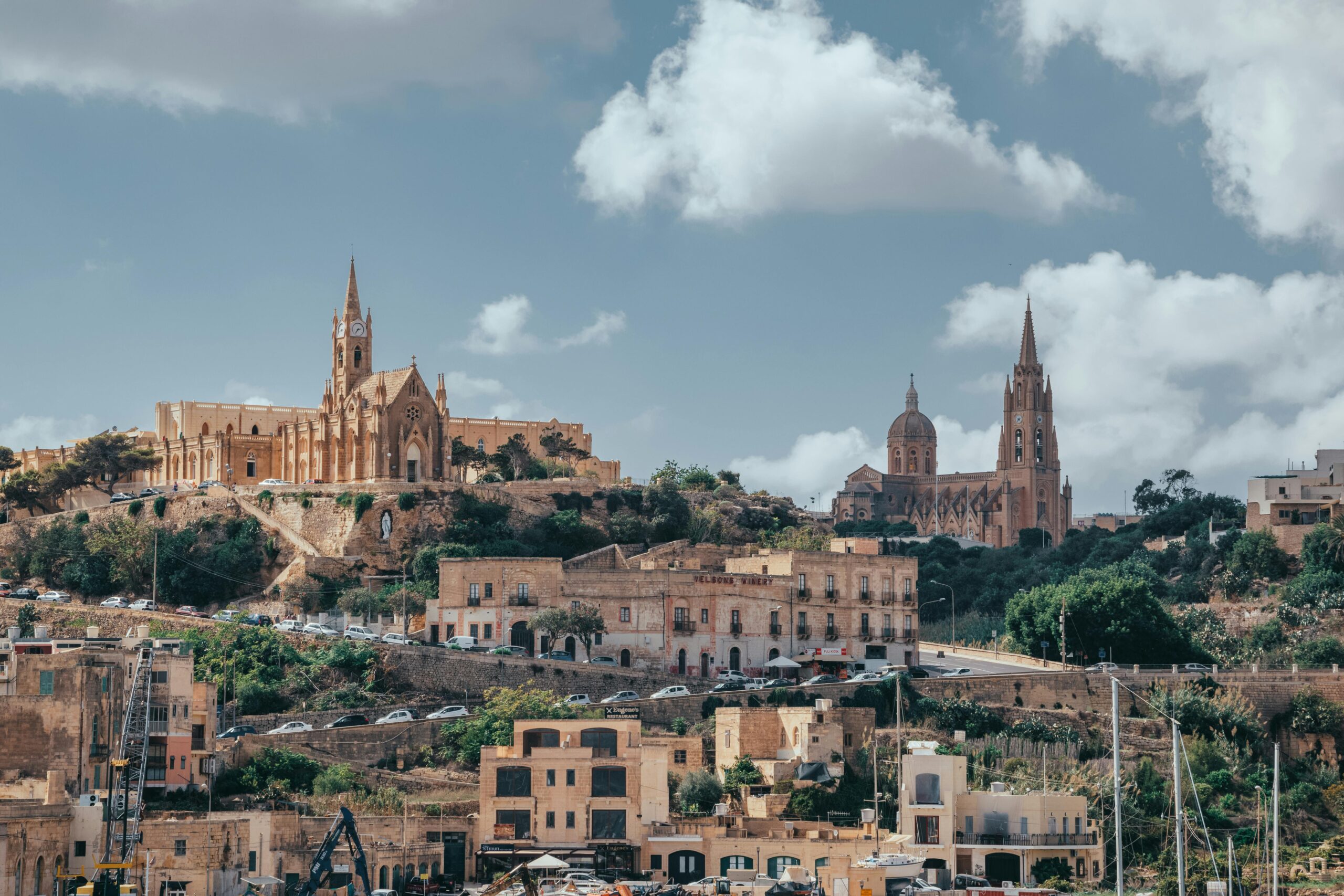

Tourist spending hits €1.21 billion in Malta in second quarter of 2026
The average length of stay per tourist dropped from six nights in 2025 to 5.5 nights this year

Revolut won’t disclose number of data breach victims in Malta, but there is at least one
Hackers obtained files by compromising an Italian government email system
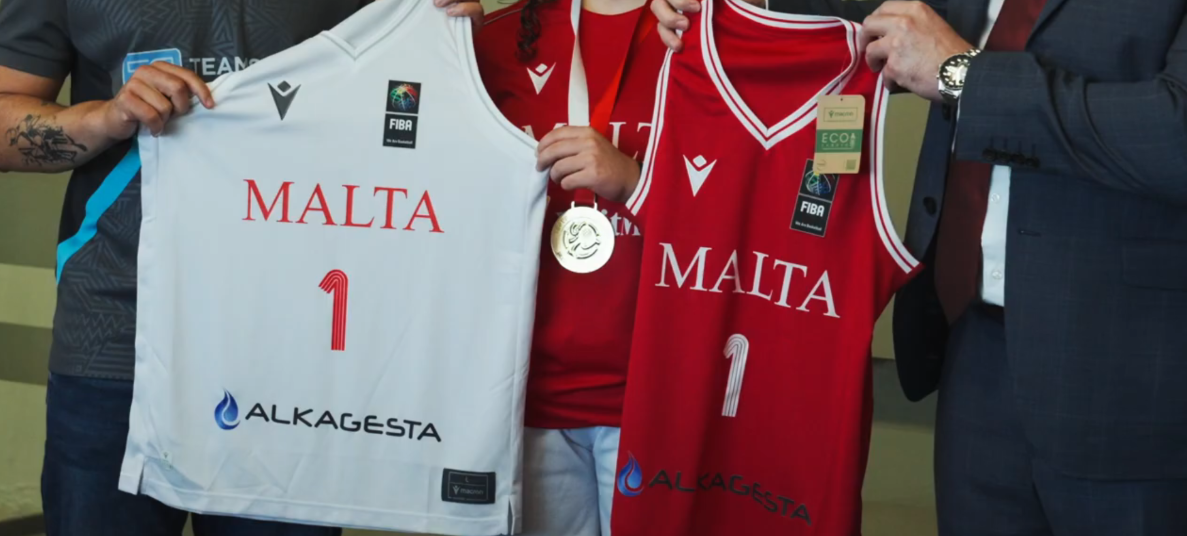
Alkagesta hosts Malta U16 women’s basketball champions at Malta office
The Maltese team won with a score of 76-51