



The Malta Entertainment Industry and Arts Association (MEIA) said that it “unequivocally condemns any instance” in which artists and creative workers are not paid for work that they have legitimately carried out.
The association took note of the recent reports regarding legal action taken by a group of artists and creative professionals seeking payment for work carried out. While not mentioning the case by name, recently a group of Malta’s top singers, including Eurovision stars Ira Losco and Destiny Chukunyere, filed a judicial protest against choreographer and artistic director Felix Busuttil Galea, alleging he failed to pay them for their roles in a stage production.
“As the matter is currently before the courts, MEIA will not comment on the specific facts or merits of the case. However, the issues raised are unfortunately reflective of challenges regularly encountered by many cultural and creative professionals across Malta,” MEIA said.
It said that disputes of this nature rarely come into the public eye, not because they are uncommon, “but because many artists are reluctant to come forward or act collectively, fearing that doing so may jeopardise future employment opportunities or lead to professional repercussions.”
“MEIA unequivocally condemns any instance in which artists and creative workers are not paid for work that they have legitimately carried out. Fair and timely remuneration is not optional; it is a fundamental principle of professional practice and a prerequisite for a sustainable cultural sector.”
MEIA said it acknowledged the courage shown by the artists involved in coming together to pursue what they believe they are rightfully owed.
“Many practitioners absorb losses rather than risk being seen as difficult. Their willingness to stand together sends an important message that artists deserve to be treated with the same professionalism and respect expected in every other industry.”
Unfortunately, cases involving unpaid or delayed payments, unclear contractual obligations, and breaches of agreed terms remain among the most common issues brought to MEIA, it said.
“Approximately 80% of the casework we handle on behalf of our members relates to these matters.”
One of the greatest challenges facing the sector is not simply the existence of poor payment practices, but the fear many artists and creative professionals have of speaking out, it said. “Time and again, practitioners tell us they are reluctant to pursue what they are owed because they fear losing future opportunities, being overlooked for work, or being informally blacklisted – particularly when disputes involve larger organisations or public institutions.”
As a result, MEIA said, it regularly receives anonymous reports detailing concerning situations. “While these accounts help us identify recurring systemic issues, anonymity inevitably limits the action that can be taken on individual cases.”
It said that an association can advocate, support, and represent, but meaningful change ultimately requires artists to feel safe and empowered to come forward. “Without their voices, our ability to challenge unfair practices is constrained.”
This is one of the reasons MEIA has recently advocated for the establishment of a Legal Aid Support Fund through Arts Council Malta. Access to justice should not depend on an artist’s financial means or their willingness to risk future employment, MEIA said.
“The barriers are often not only economic, but psychological and professional. Many practitioners simply cannot afford lengthy legal proceedings, while others feel isolated or intimidated by the potential consequences of asserting their rights.”
The sector must move towards a culture where honouring contracts, paying artists on time, and respecting professional commitments are considered standard practice rather than exceptions, it said. “Equally important is creating an environment where practitioners can report abuses and seek redress without fear of retaliation.”
MEIA said that it remains committed to supporting artists and cultural workers facing these challenges through advocacy, mediation, and continued lobbying for stronger protections, fair contractual practices, timely payment, and structural reforms that establish dignity, professionalism, and fairness as the standard across Malta’s cultural and creative sectors.
“Through our collaboration with Solidarjetà, MEIA members also have access to legal support and representation, recognising that some disputes require not only advocacy but also practical legal assistance.”
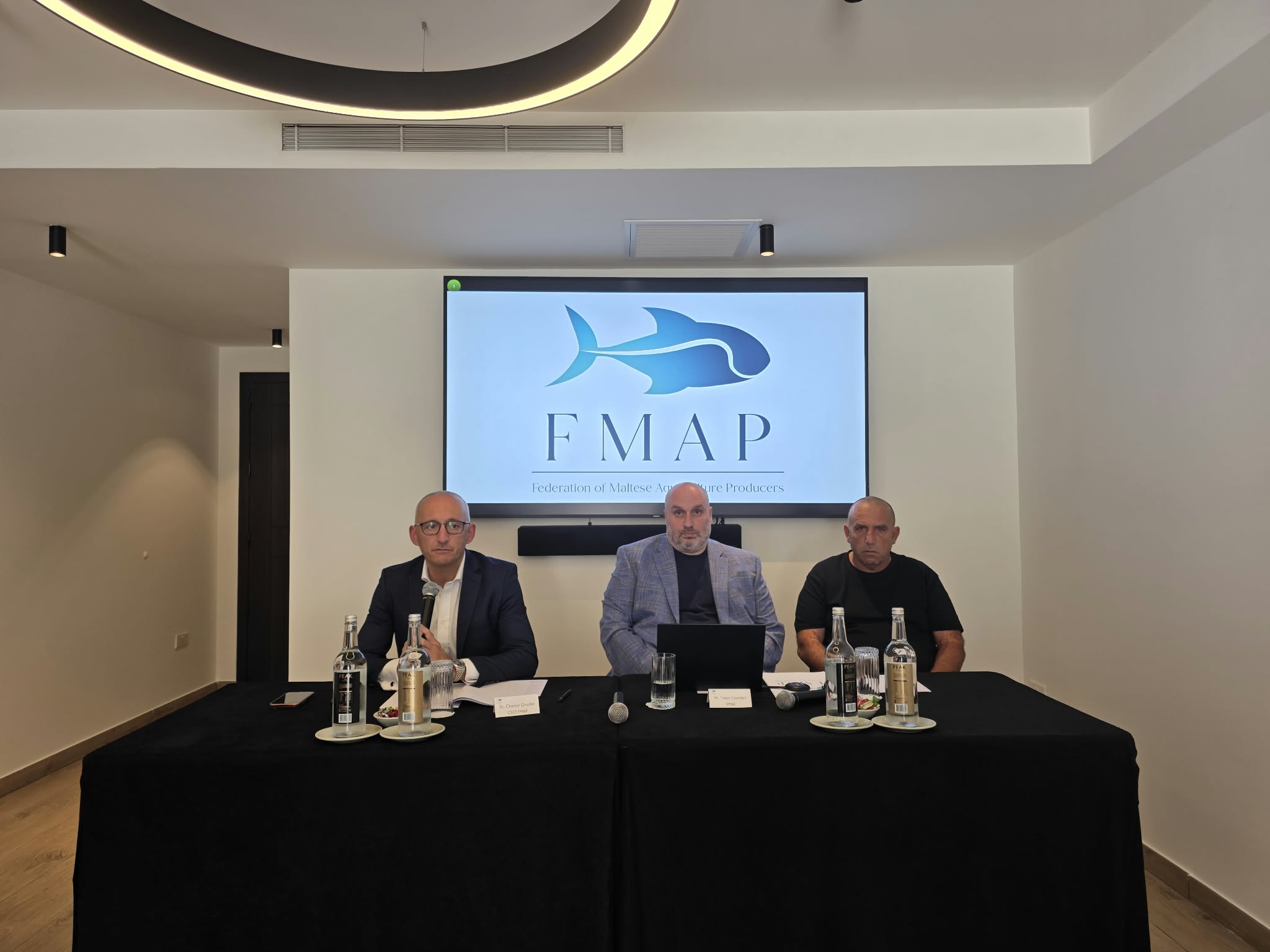
Aquaculture federation CEO hails cleanup campaign a success as 25,500 litres of oily liquid collected
Charlon Gouder said the industry had registered a notable improvement in coastal water conditions this summer
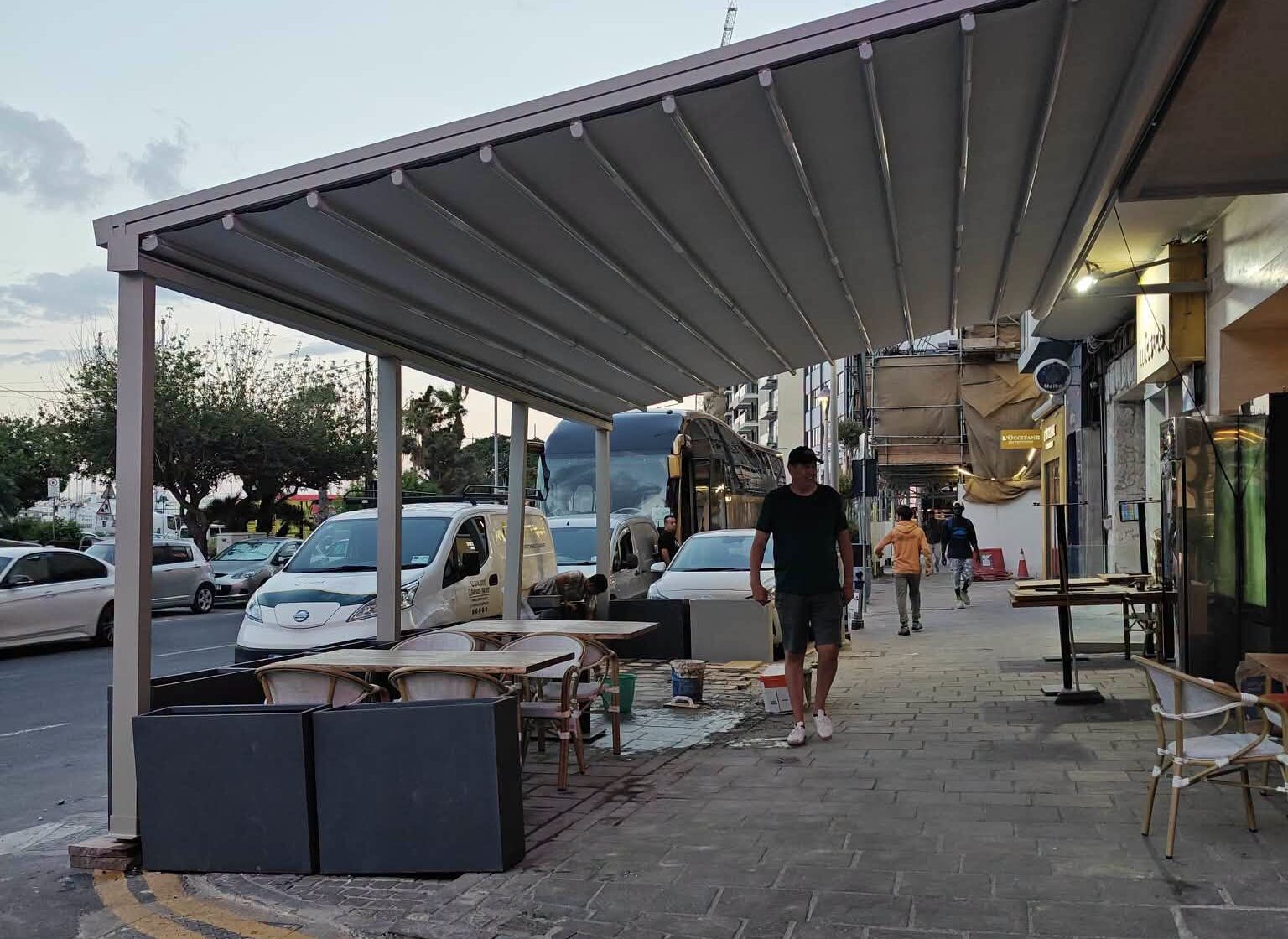
PA orders immediate removal of unauthorised structure outside Piccolo Padre in Sliema
The restaurant is owned by Carlo Stivala and is the first expansion since it was set up in Balluta
High rents are killing small retail businesses in Valletta, shop owner says
'When you have high rents with low margins, it’s no wonder so many retail shops are leaving Valletta,' she said