


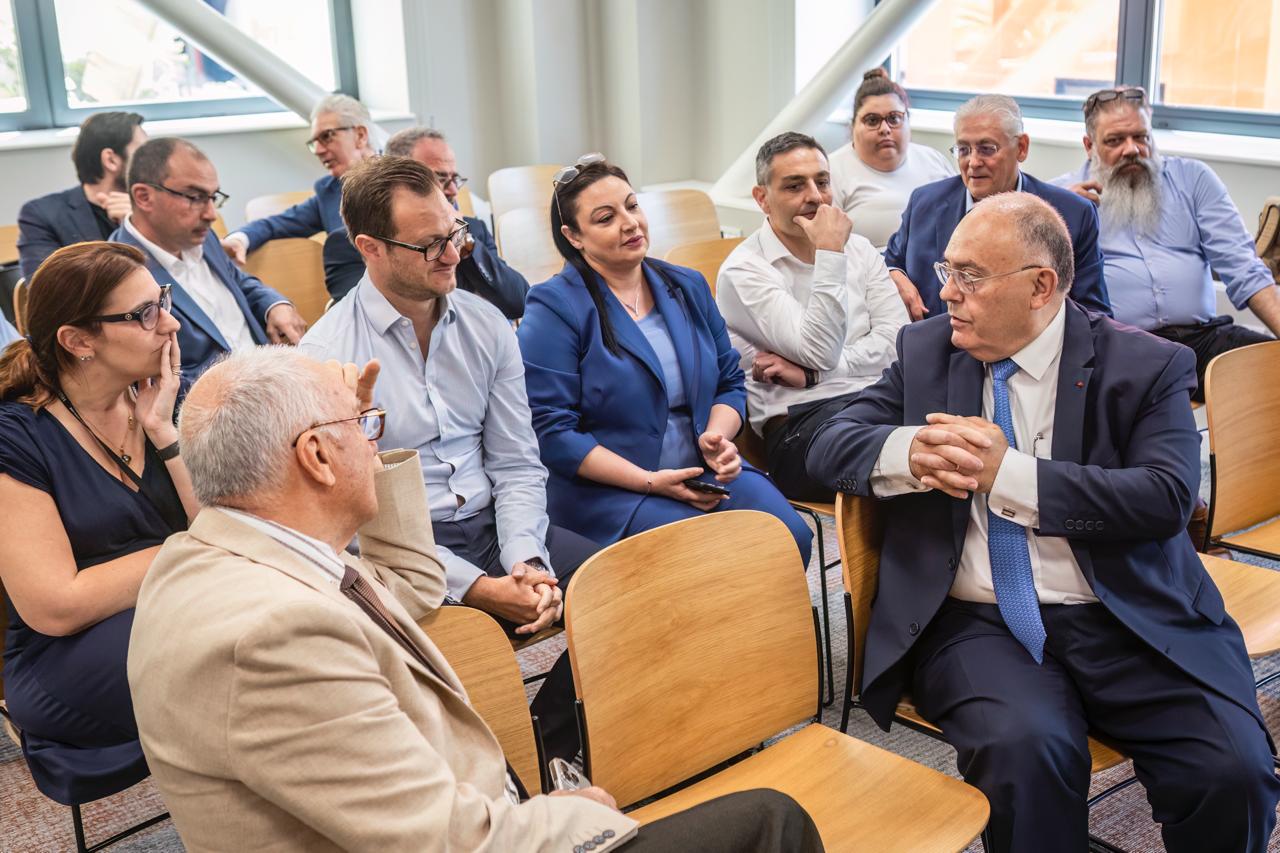
Malta’s freight and logistics sector is facing growing pressure from land limitations, rising cargo volumes, and a lack of long-term planning, industry professionals warned during an interactive discussion held as part of the Sustainable Freight Transport Project coordinated by the Institute for Climate Change and Sustainable Development at the University of Malta.
The event, funded by the HSBC Malta Foundation and hosted at the HSBC Innovation Hub in Qormi on Wednesday (yesterday), brought together freight professionals, representatives from the The Malta Chamber, and stakeholders from the transport and logistics sectors to discuss the future of sustainable freight transport in Malta.
The discussion was led by Prof. Maria Attard, who guided participants through an exchange of ideas on the challenges and opportunities facing the industry.
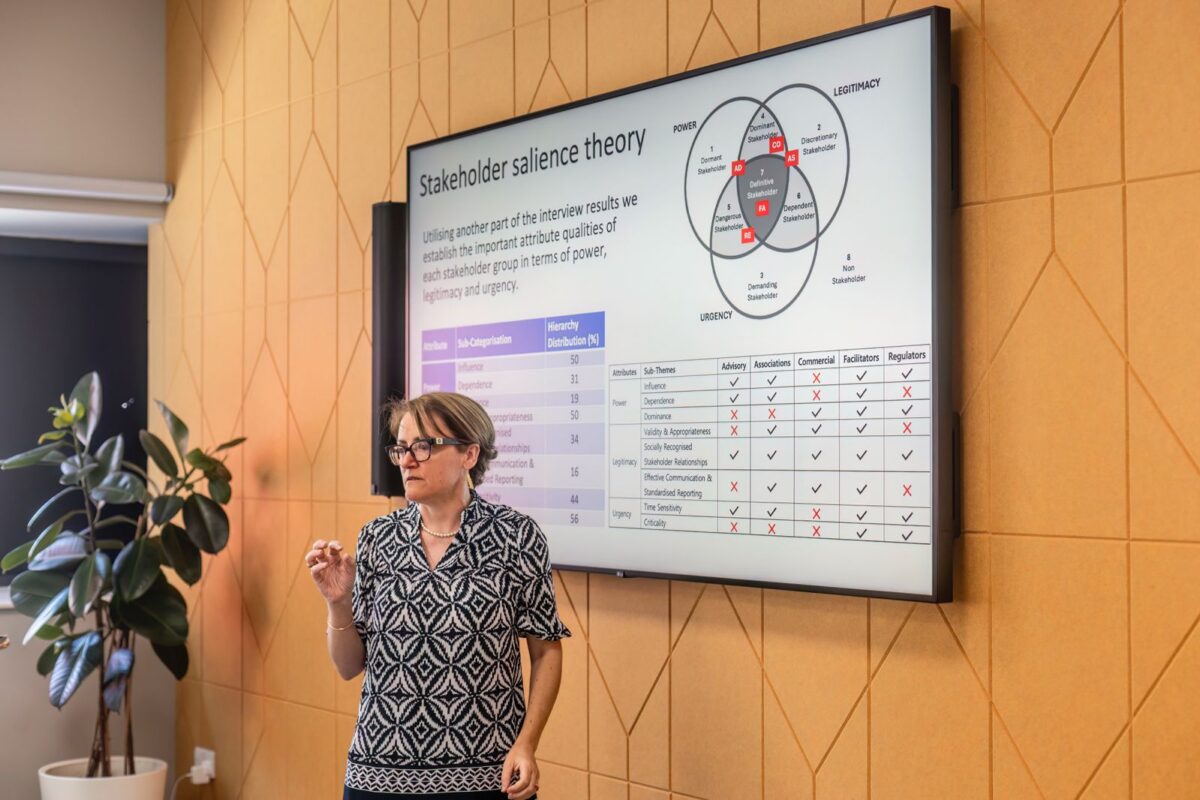
A recurring theme throughout the session was the growing mismatch between Malta’s increasing cargo activity and its limited infrastructure capacity.
“Cargo is increasing, business is growing, but the Valletta port is shrinking,” one participant noted, as several speakers stressed that Malta urgently needs to rethink its long-term logistics strategy.
Industry stakeholders argued that Malta’s limitations in land availability continue to constrain growth, while rising operational costs and increasing regulation are placing additional pressure on businesses operating within the sector.
Participants also expressed frustration over what they described as a general lack of awareness about the importance of shipping, freight, and logistics to Malta’s economy.
“We don’t run a sexy industry, so we suffer politically,” one stakeholder remarked during the discussion, highlighting how the sector often struggles to gain visibility and support despite its importance to the country’s connectivity and trade.
Attendees also argued that Malta needs to move away from short-term thinking and begin taking “bold decisions” about the future of freight and transhipment.
Suggestions raised during the discussion included identifying additional land areas for logistics services, expanding infrastructure, and creating a clearer long-term national vision for the sector.
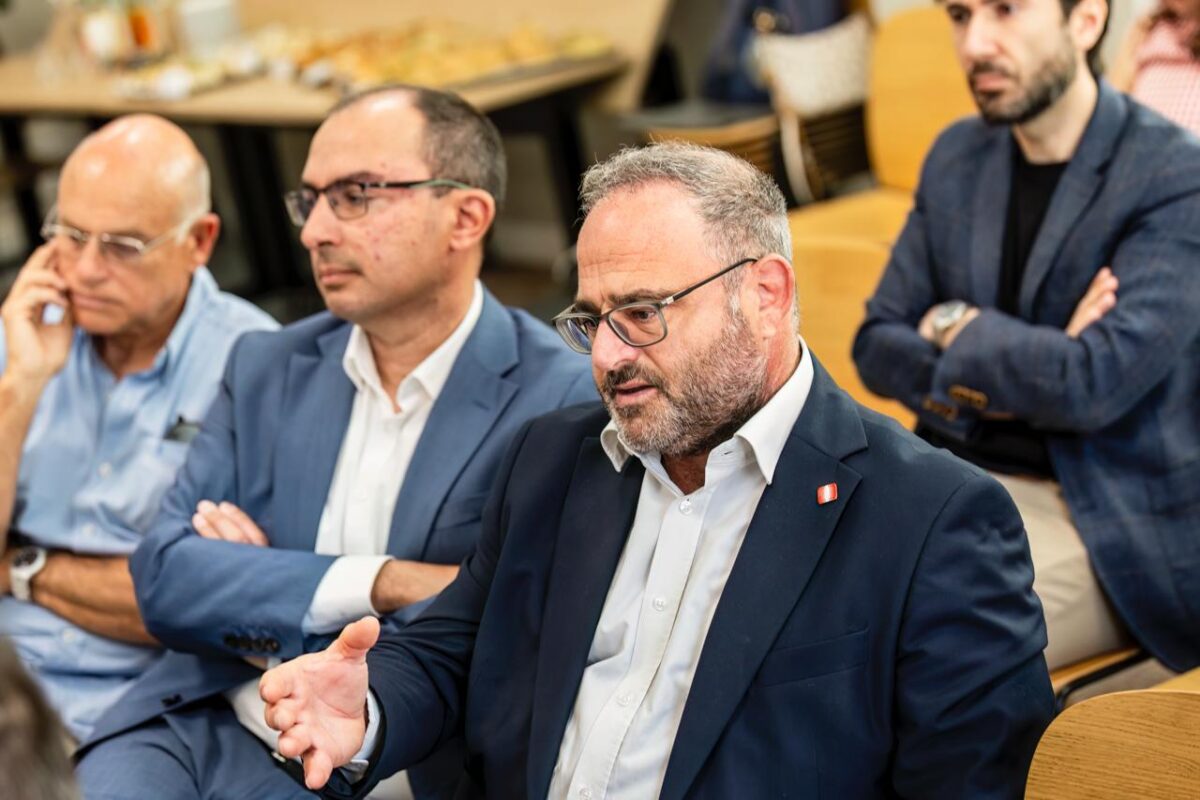
One proposal repeatedly mentioned was the establishment of a national port authority, which participants argued could help create a more coordinated and strategic approach to port and logistics management.
Others stressed the need for Malta to study international models more closely and better quantify the country’s logistics potential.
Participants also pointed to difficulties in communicating the importance of logistics both to the public and policymakers.
“There is no awareness of the importance of shipping and logistics,” another attendee said, while others described the sector’s ongoing struggle to explain its role to both government and society.
The importance of transhipment was another key topic during the event, with some stakeholders arguing that Malta’s geographic connectivity depends heavily on maintaining a successful transhipment hub.
“If we don’t have a dedicated place for transhipment, we don’t need to look at anything else,” one participant argued.
The discussion formed part of the broader Sustainable Freight Transport Project, which aims to explore how Malta can develop more sustainable and resilient freight transport systems in the years ahead.

Related
SME Chamber calls for taxpayer points system, cross-party task force on long-term priorities in budget proposals
The points system would be administered by Malta’s Tax and Customs Administration
‘Access should never become privilege’: MFPA calls for clearer governance safeguards in Malta
The Federation calls for reflection on good governance in the country
Melita to acquire Epic from Monaco Telecom
The two Maltese telecommunication operators will be merging their businesses