


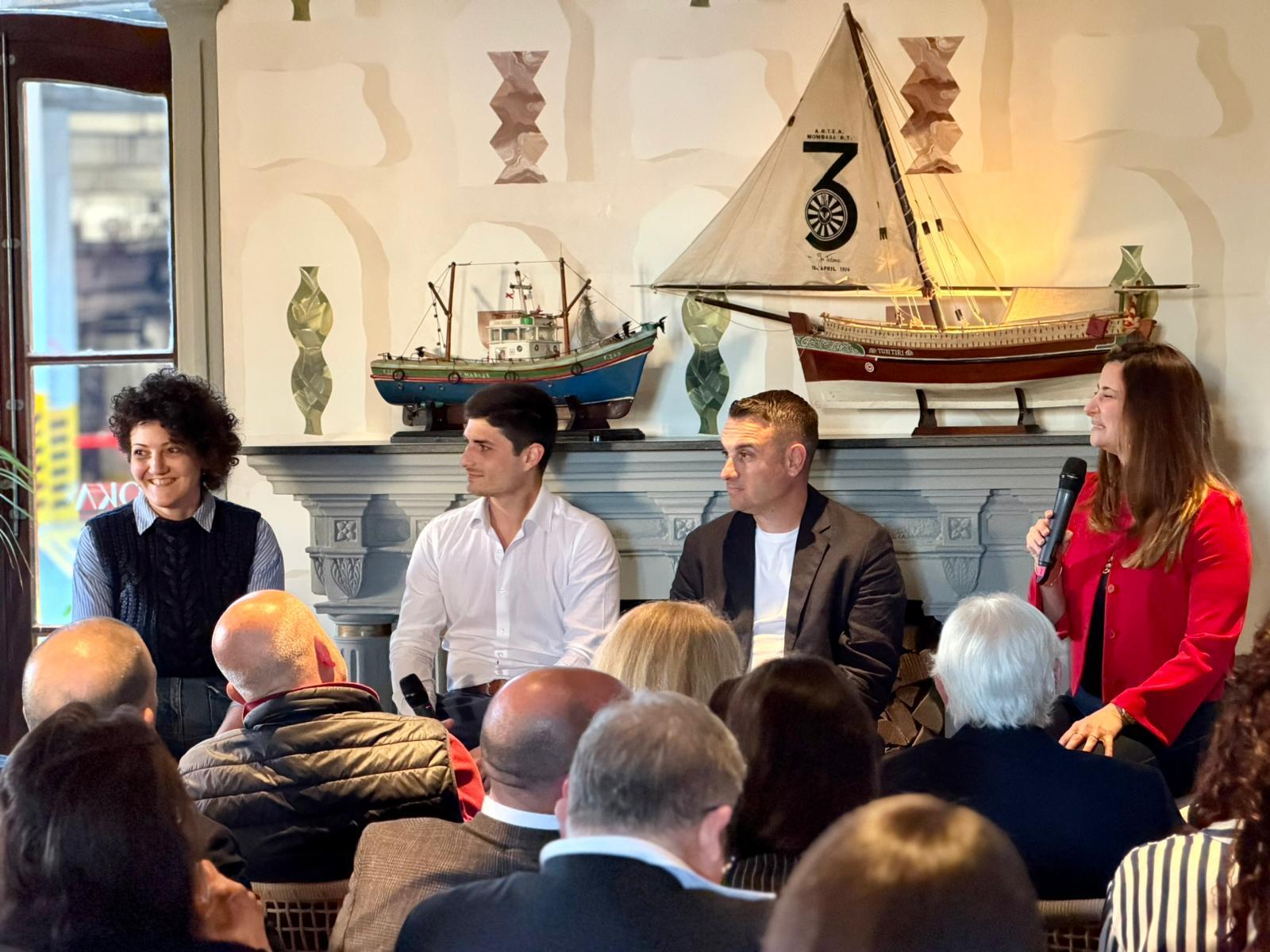
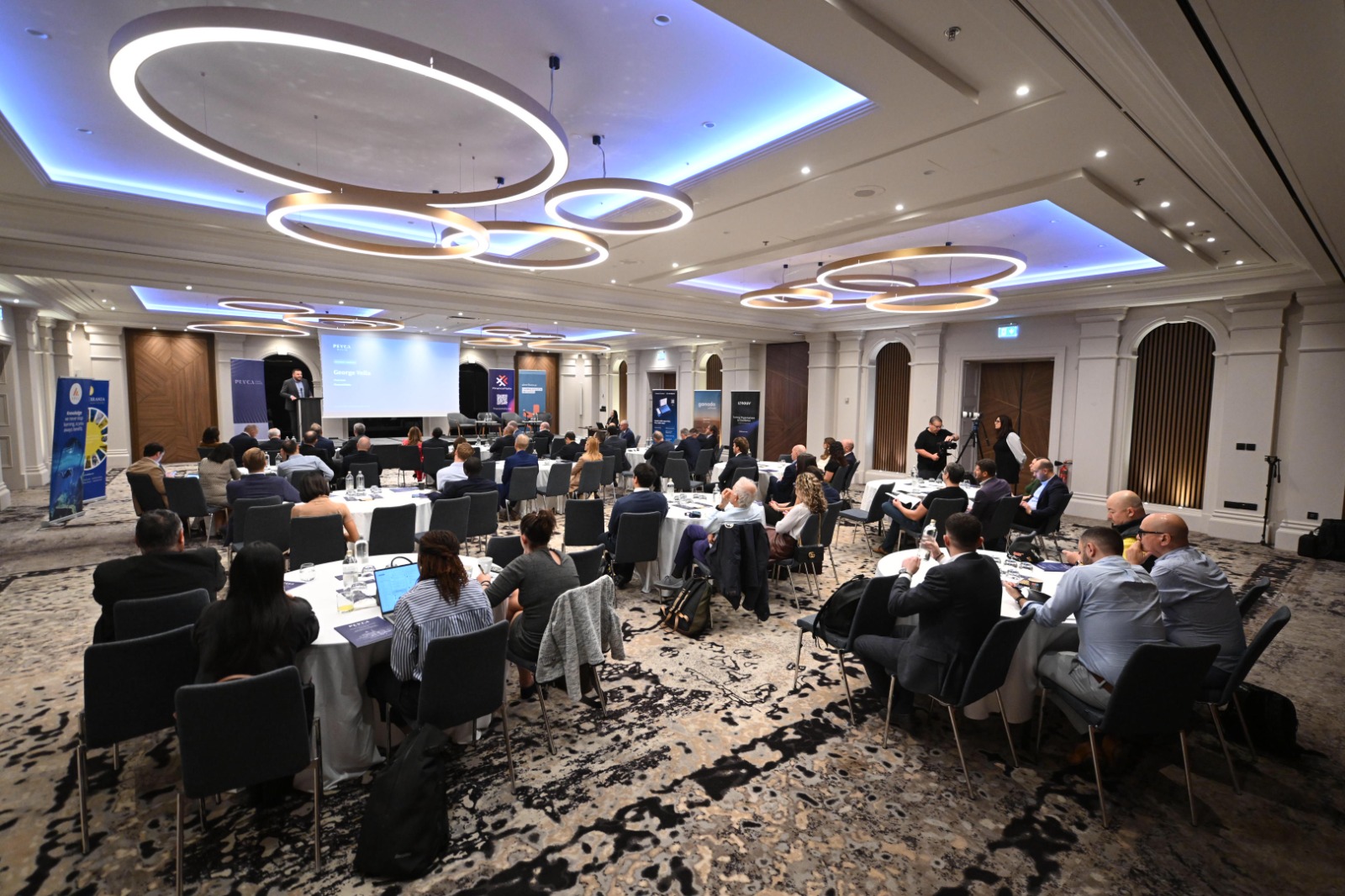
Business leaders shared practical insights on the adoption of AI during a panel discussion organised by the Malta Business Network.
The discussion explored a broad range of AI applications, from digital assistants and agentic workflows to knowledge management systems, while also addressing key considerations around governance, risk and workforce impact.
Panelist Alessandro Canella, co-founder and head of growth at Growy.app, urged businesses to start by pinpointing constraints.
The key, he argued, is identifying the bottleneck and selecting “low risk, high impact” use cases first – then scaling once value is proven. AI, he said, should be treated less as a novelty and more as a catalyst that will change day-to-day work.
Panelist Fabianne Ruggier, founder of Resona Strategies, an AI-powered business growth practice, said she repeatedly finds high-paid employees absorbed by “fire-fighting” tasks such as reconciling data sets, manual reporting and sprawling email-based workflows.
In many organisations, she added, the proliferation of spreadsheets signals “busyness, but not productivity,” making the business case for automation clearer than leaders may expect.
“When I’m working with a corporate client, even large ones, I often see that the highest paid resources are completely taken up fighting fires - the business case for AI in those cases is obvious,” she said.
Bigbon Group CEO Nick Spiteri Paris spoke about his group’s use of AI, noting that work that once took days to complete is now being executed in real time.
“We are users, not developers,” Mr Spiteri Paris noted, emphasising that the group’s success has come from applying proven technologies to real operational challenges rather than building systems from scratch.
The discussion also addressed barriers to adoption.
Fielding questions from the floor, Mr Spiteri Paris pointed to Malta’s labour shortage and talent acquisition challenges, arguing that anything that can be automated “should be automated immediately.” On jobs, he was blunt: roles will change, and some will be lost, not to AI, but to those who know how to use it better.
The discussion was moderated by Graziella De Martino, the Director of Advisory in Technology at NOUV. Dr De Martino specialises in AI implementation, digital transformation, and data-driven strategy.
Throughout the event, moderation and audience questions returned to a recurring theme: AI initiatives fail when structures are not ready and employees fear displacement.
The Malta Business Network organises monthly panel discussions bringing entrepreneurs, policymakers, and experts together.
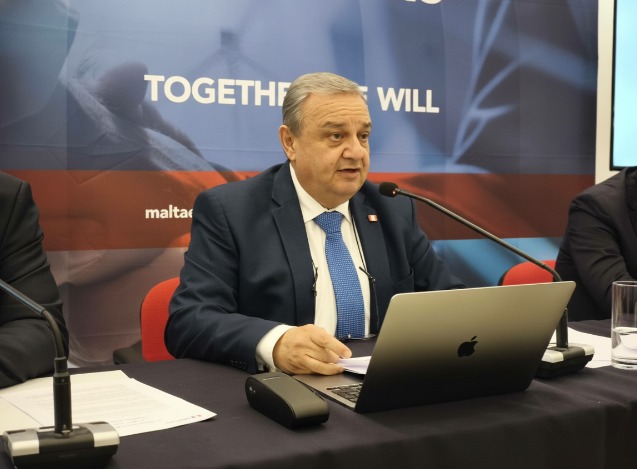
Education system ‘stifles creativity’, Malta Employers’ chief says as association calls for ‘transformation’
Association's Director General says system is geared towards conformity

MFSA flags missing information in pension statements
Some pension statements omitted key details on investments, fees, contributions and account changes
Budget should support sustainable economic growth, promote financial stability – BOV
Maintaining a stable and predictable business environment, encouraging investment in productivity remain important, it said