


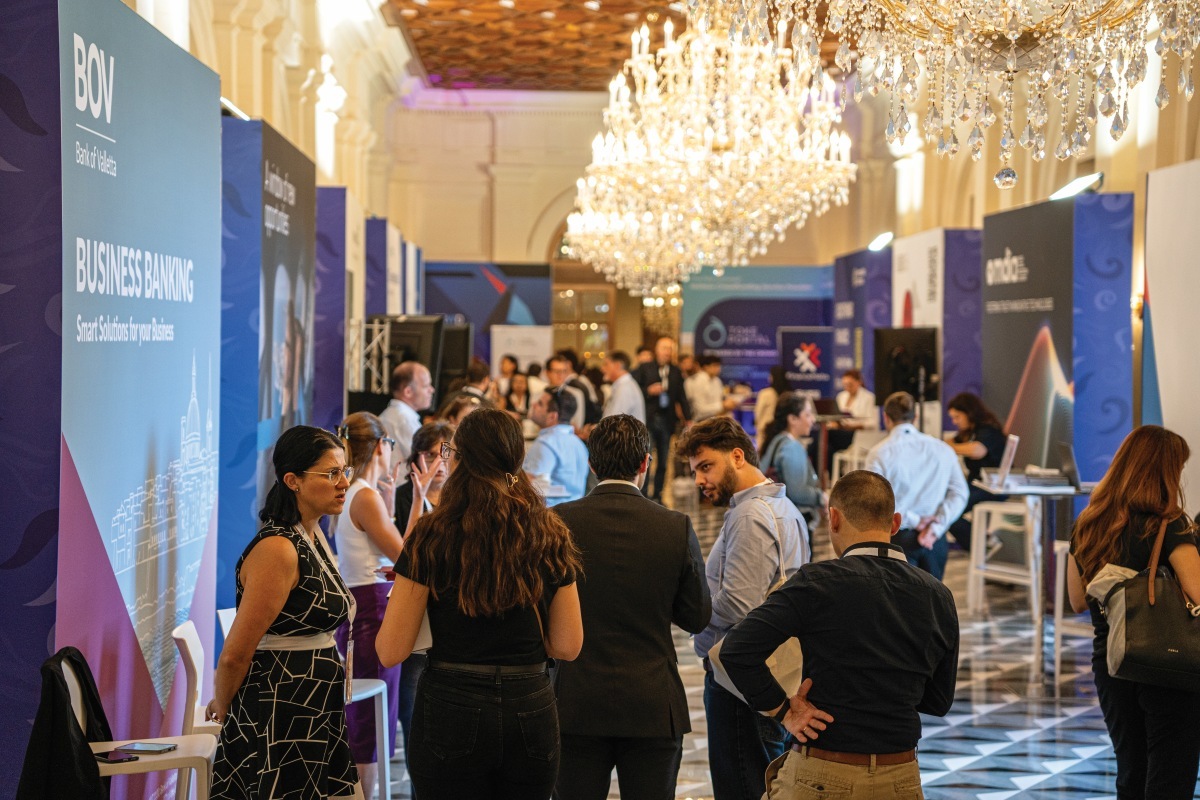
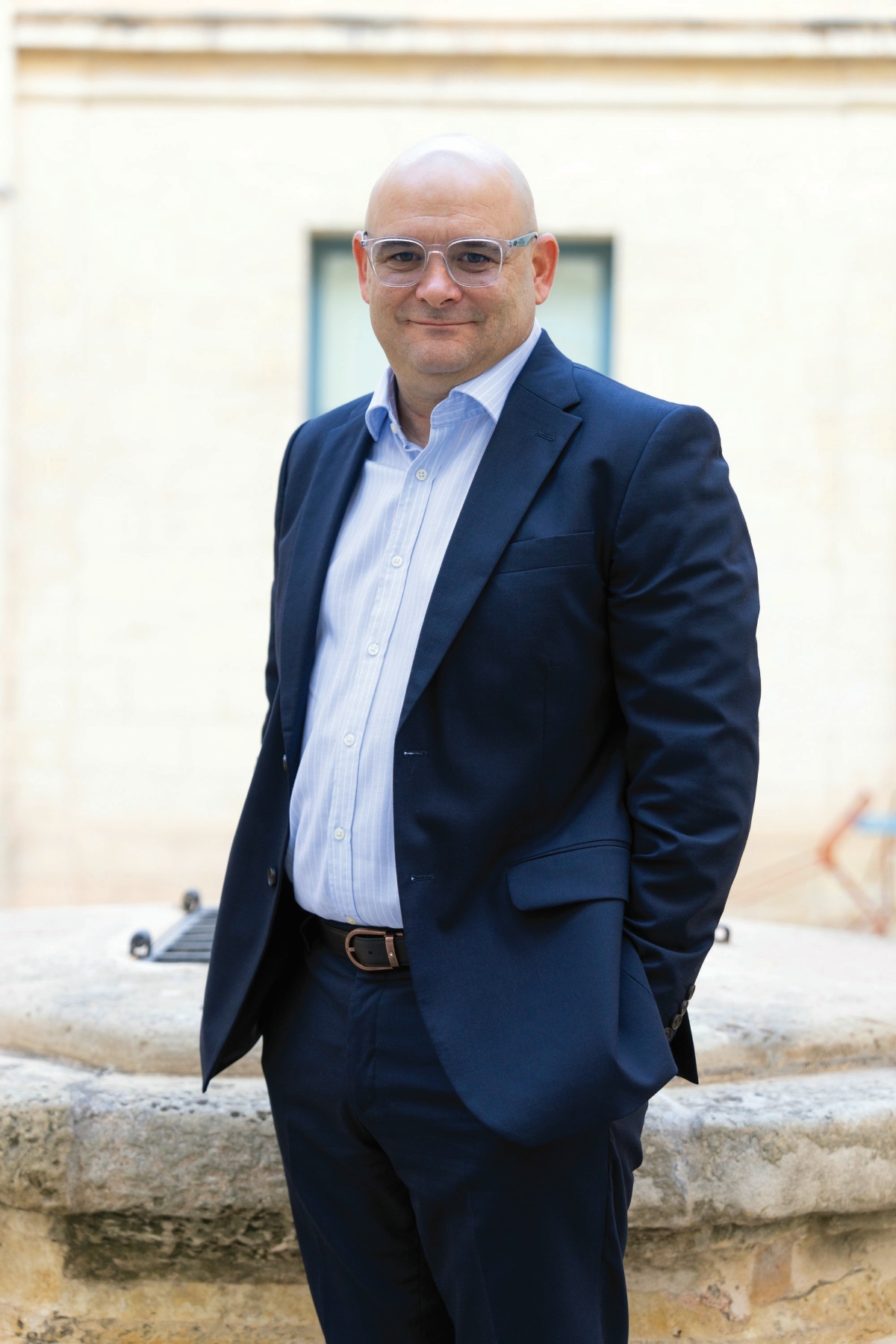
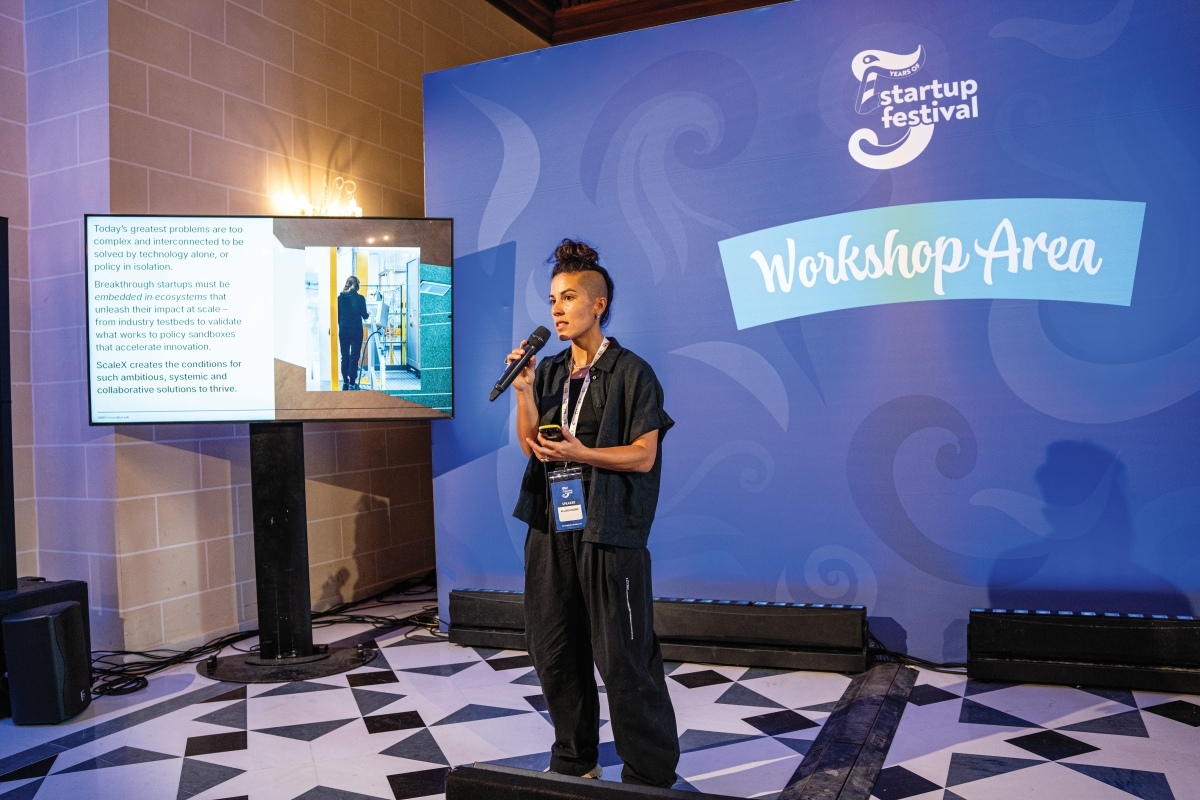
“Over the past five years, Malta Enterprise has supported more than 190 startups across diverse sectors, including medtech, fintech, artificial intelligence (AI) and green innovation. These are not experimental ideas; they are real companies creating quality jobs, developing tangible products and addressing global challenges,” attests George Gregory, CEO of Malta Enterprise. He makes this point some time after the fifth edition of the Startup Festival, which he describes as the “cornerstone of Malta’s innovation calendar”.
“Malta Enterprise’s support to the local and international startup community is driven by a strategic vision that fosters,” he says, “a dynamic, globally competitive environment built on innovation, scalability and international collaboration. Malta has performed strongly in areas such as talent attraction, digital transformation and regulatory innovation. Economic success is measured not only by the number of registered companies, but also by the quality of startups, their growth trajectories, job creation, international market reach, and sector diversity,” Mr Gregory explains, adding that such an approach is aligned with principles set by the 2024 Startup Nations Standard (SNS) Report by the Europe Startup Nations Alliance (ESNA). Over and above, he continues, startups “often reflect the type of economy Malta is building: high-value, innovation-driven and inclusive.”
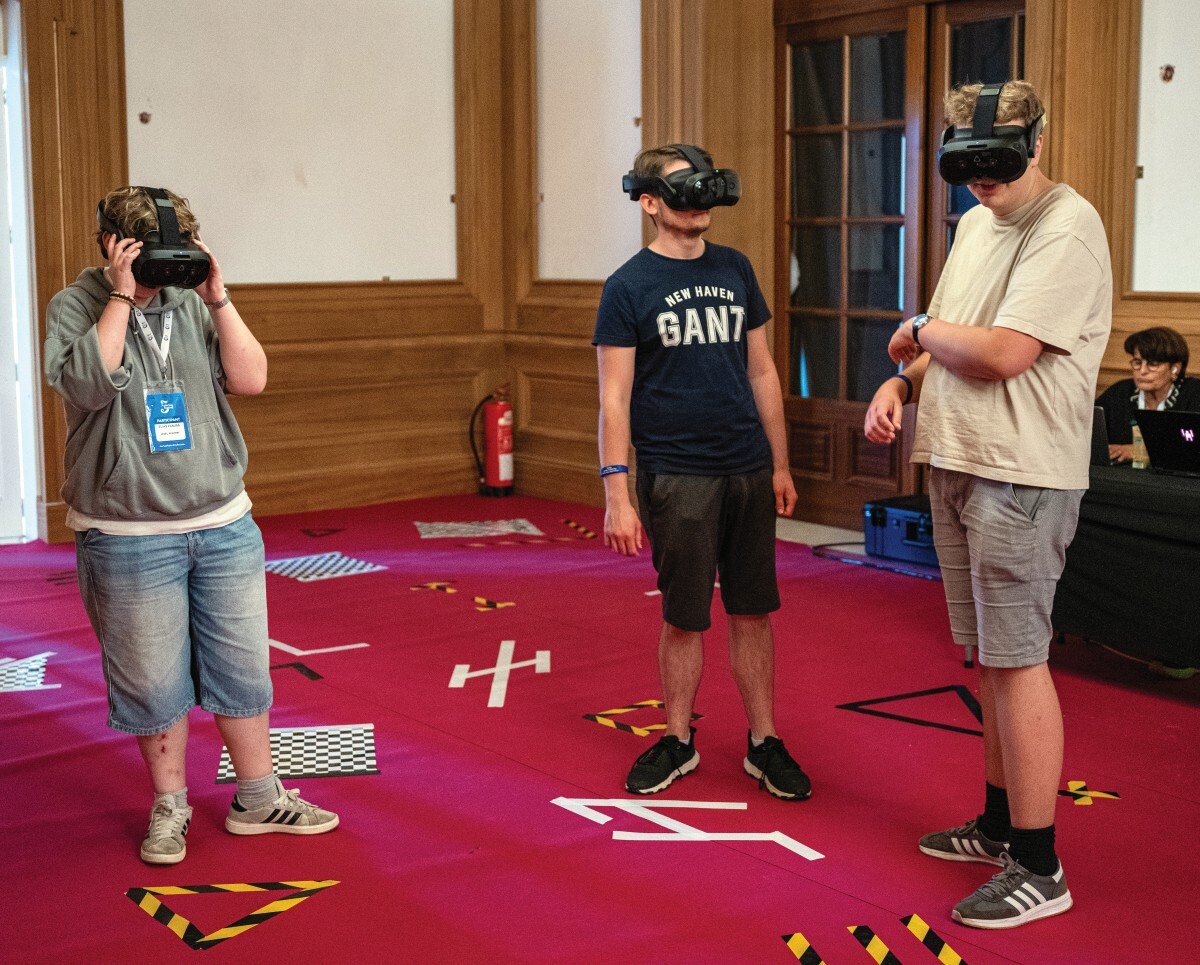
In order to help bolster such an ecosystem, both encouraging local startups and attracting international innovation to the island’s shores, Malta Enterprise has designed programmes structured with the challenges of startups in mind.
“Through initiatives such as the Business Start Scheme and Start-Up Finance Scheme, we provide founder-focused incentives that reduce the financial pressures of early growth. From seed-stage backing to scale-up support, our role is to help startups invest in people, processes and platforms that enable long-term success,” he explains.
Moreover, the Chips Start EU Programme, which is geared towards supporting early-stage semiconductor startups with educational training, networking opportunities and equipment, has also been welcomed enthusiastically by those in the field.
“We are already experiencing success that we must continue building on. The first cohort of the Chips Start EU Programme, for example, has received over 40 applications from promising startups. This demonstrates both the attractiveness of Malta as an innovation hub and the growing confidence of startups in our ecosystem. It aligns with Malta’s long-term vision to nurture high-impact startups that contribute to economic resilience and global competitiveness,” the CEO continues.
Moving on to how Malta Enterprise attracts international startup founders and venture capital firms, Mr Gregory shares that the entity “is actively micro-targeting startups that can add real value, particularly those working on innovative technologies and services aligned with Malta’s Vision 2050 Strategy. We are continuously refining our incentive offering; for example, we are currently revamping the Employee Stock Option Plans to provide founders and their teams with stronger tools and a more competitive business environment.”
Furthermore, “over recent months, we have intensified international outreach, hosting delegations from global venture networks and showcasing Malta at leading startup events. This is already generating growing interest in using Malta as a strategic entry point into Europe,” the CEO states.
Crucially, high-profile events such as the EU Startups Summit have contributed toward placing Malta on the “global startup map”. Indeed, over the past two years, the summit “has welcomed more than 4,000 participants; 80 per cent of them foreign entrepreneurs and investors, who not only came here to network but who also tangibly explored the advantages of setting up and scaling from Malta.”
The Startup Festival has also been vital in this regard. “What began as a national initiative has evolved into a high-impact platform that unites founders, investors and innovators while strengthening Malta’s entrepreneurial community,” the CEO states.
The 2025 edition, he explains, was “where both local and international entrepreneurs discovered Malta as a base to start and scale their ventures. A highlight of last year’s festival was the Pitch Black competition, which attracted over 90 applications from local and international startups, including companies that may not yet have a presence in Malta but are actively exploring it. We measured success not only through attendance but also by the quality of networking sessions, investor-startup matchmaking and the momentum generated for further collaboration. The festival once again proved itself as a catalyst for connections and opportunities that extend far beyond the two-day event.”
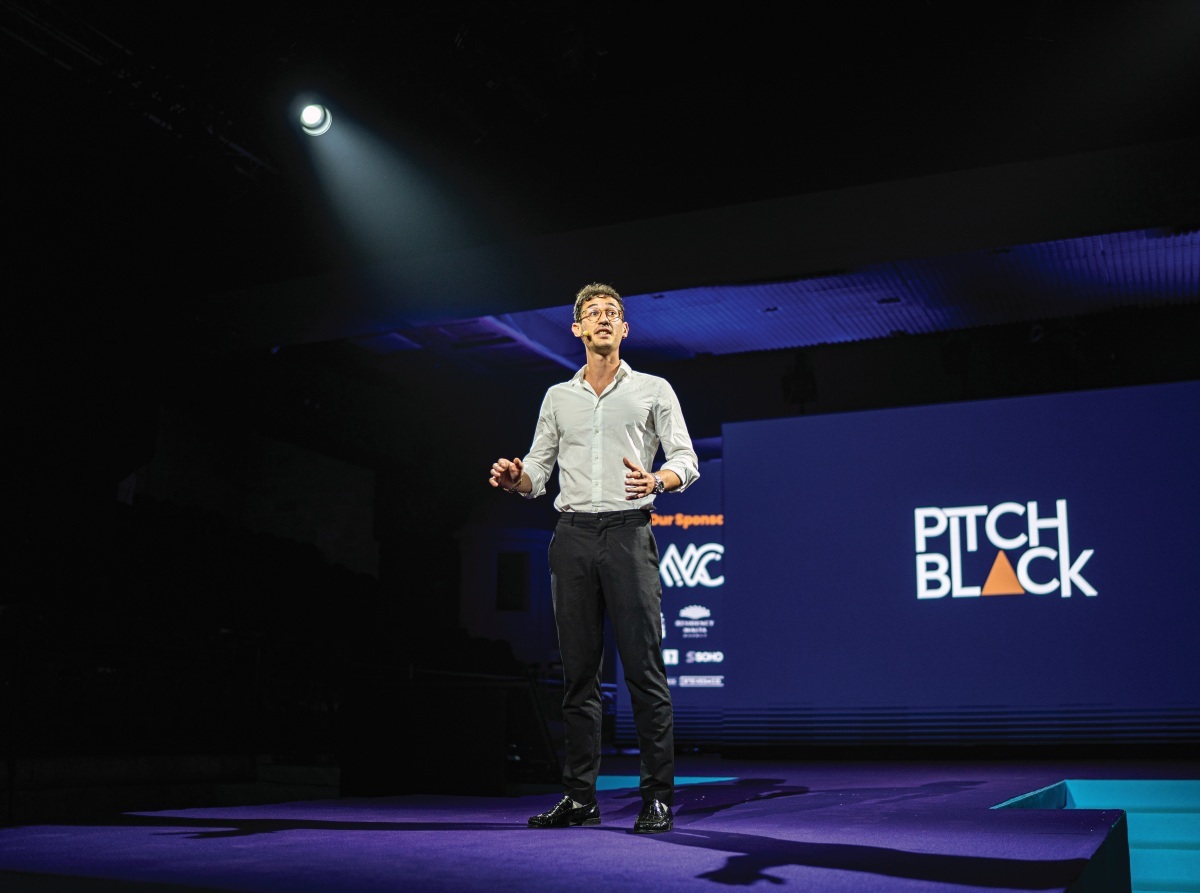
The festival, the CEO continues, is positioned to act “as a launchpad for long-term collaboration and ecosystem development.” This is due to “the visibility and connections made during the festival” that “are intentionally carried forward through follow-up engagement with startups, investors and other stakeholders.”
Indeed, “after the event, Malta Enterprise continues to actively engage with participants to provide guidance on funding opportunities, mentorship and partnership development, ensuring that the connections formed translate into concrete, ongoing support,” Mr Gregory says.
Moreover, the annual festival “also serves as a vital source of feedback from entrepreneurs, allowing us to identify emerging challenges, gaps and opportunities within the ecosystem. Insights gathered during the festival directly inform updates and improvements to our support schemes, helping to ensure that our programmes remain relevant, effective and aligned with the evolving needs of startups.”
These necessities include talent attraction and retention. “Access to talent is a challenge faced by startups everywhere, and Malta is no exception. At Malta Enterprise, we are addressing this through a dual approach: strengthening the local pipeline while making it easier to attract international expertise. Locally, we are working closely with universities and training academies to upskill graduates and encourage more young people to see entrepreneurship and innovation as viable career paths. At the same time, we are facilitating the relocation of high-skilled professionals, while introducing incentives that make Malta an attractive destination for global talent. This combination ensures that startups in Malta can build diverse, high-performing teams capable of competing internationally,” Mr Gregory attests.
Global technological and environmental trends may also prove to be challenging for smaller and less established companies. Indeed, the CEO admits that “the global economy is being reshaped by two powerful forces: the rapid adoption of AI and the transition to sustainable business models.” In this regard, Malta Enterprise is “encouraging projects that integrate AI, digitalisation and green technologies. At the festival itself, these themes took centre stage, with dedicated panels highlighting AI-driven startups and innovators,” the CEO says.
Moving beyond the startup phase of business development, Malta Enterprise has also established initiatives to support companies as they transition to scale-ups – that is as they move past the initial phases and seek to expand even internationally.
“We continue to collaborate with both public and private partners to ease the financial and structural challenges of this growth phase. A key example is the Malta Venture Capital Fund, created to unlock equity investment and strengthen our venture ecosystem by co-investing alongside private investors in high-potential startups,” Mr Gregory states.
In parallel, he continues, Malta Enterprise is also preparing to launch the Malta Startup Framework. “This will be the first legal framework of its kind designed specifically for startups and their investors. It will provide long-term certainty and further establish Malta as a serious destination for scale-ups. Importantly, we are already seeing results: one Malta-based startup has successfully scaled from its local base to list on the NASDAQ and expand into Africa, demonstrating the global potential of companies nurtured within our ecosystem,” he confirms.
Looking ahead to the next few years, the legacy Malta Enterprise is driven to create is “a self-sustaining startup ecosystem that transforms Malta’s economy into one that is more innovative, resilient and globally connected. Our ambition is for Malta to be recognised not only as a place where businesses can start, but as a base where they can scale internationally and succeed. By supporting startups that generate high-value jobs, develop breakthrough technologies and open new markets, Malta Enterprise is laying the foundation for long-term prosperity. Ultimately, we want the companies nurtured here to become global success stories that inspire the next generation of entrepreneurs. At the same time, we remain firmly aligned with Malta’s Vision 2050, ensuring that growth is sustainable, resilient and inclusive for the future economy,” the CEO concludes.
This interview was first carried in the 2026 edition of Business Now Magazine, the sister brand to BusinessNow.mt and produced by Content House Group.
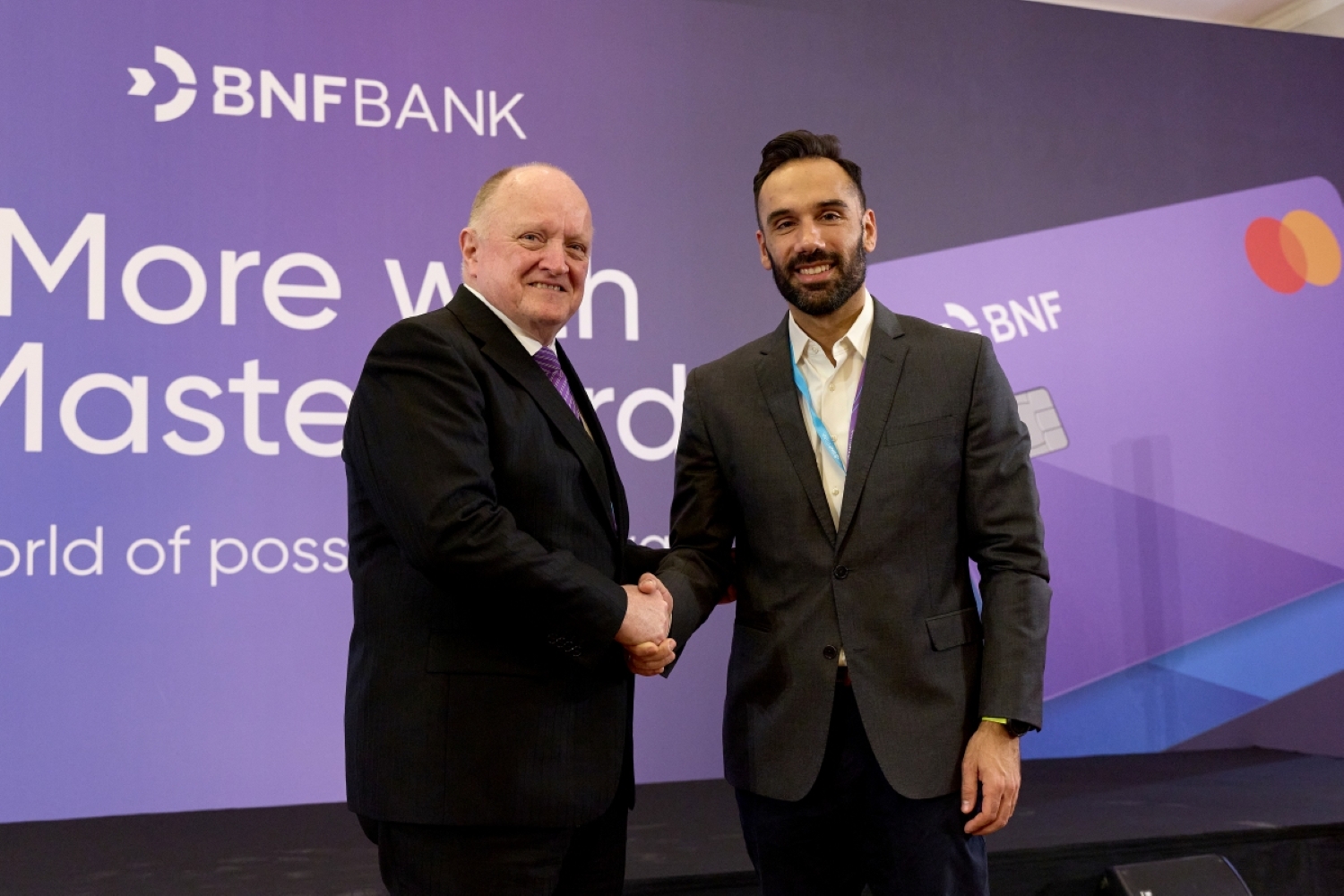
BNF Bank and Mastercard partner to bring added value to Maltese customers
Collaboration enhances everyday banking through exclusive experiences, rewards, and innovative payment solutions
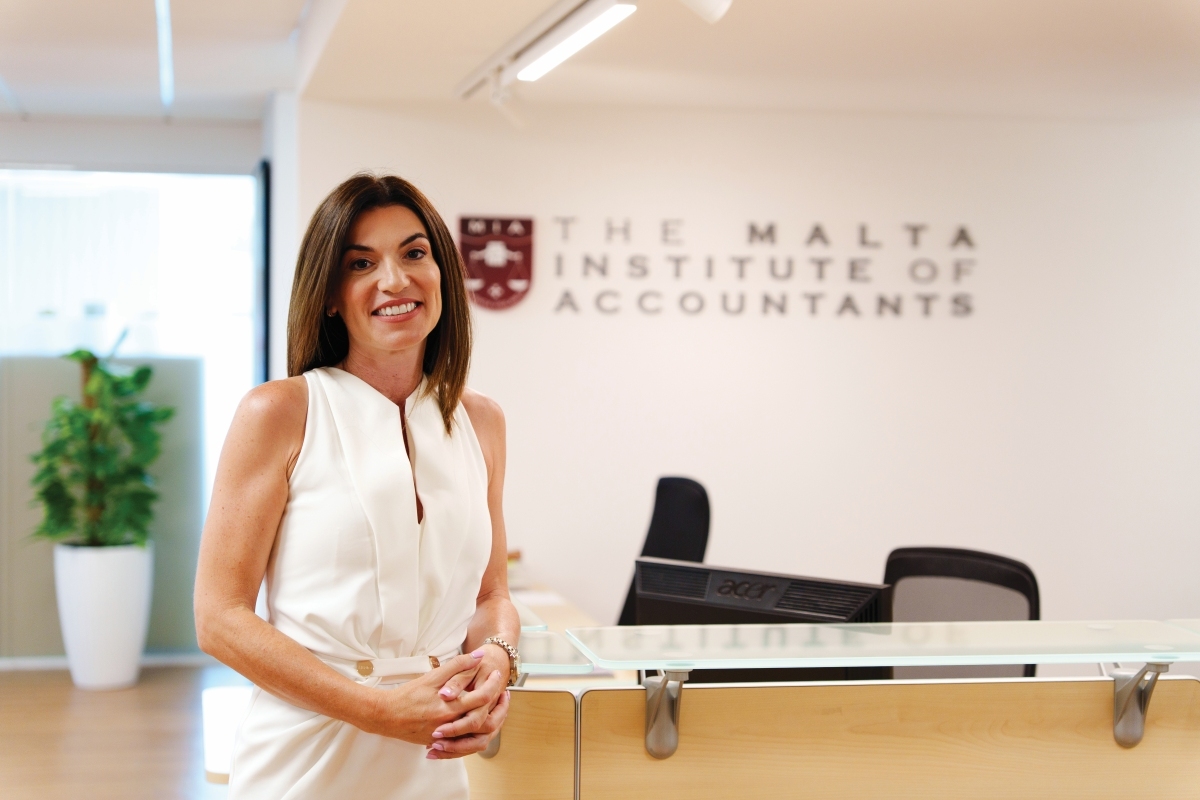
Trust, talent and transformation: The Malta Institute of Accountants’ vision for growth
CEO Maria Cauchi Delia believes accountants are ‘the bedrock of trust in Malta’s economy’
MFSA to ‘step up’ supervision of AI in financial services
Regulatory strategy is no longer just a compliance function