


The Malta Communications Authority (MCA) has published a study into how consumers experience telecom services. The study explains how Maltese households perceive the telecoms services they use on a daily basis, how satisfied they are with them, and whether they feel they are receiving the value and quality they expect.
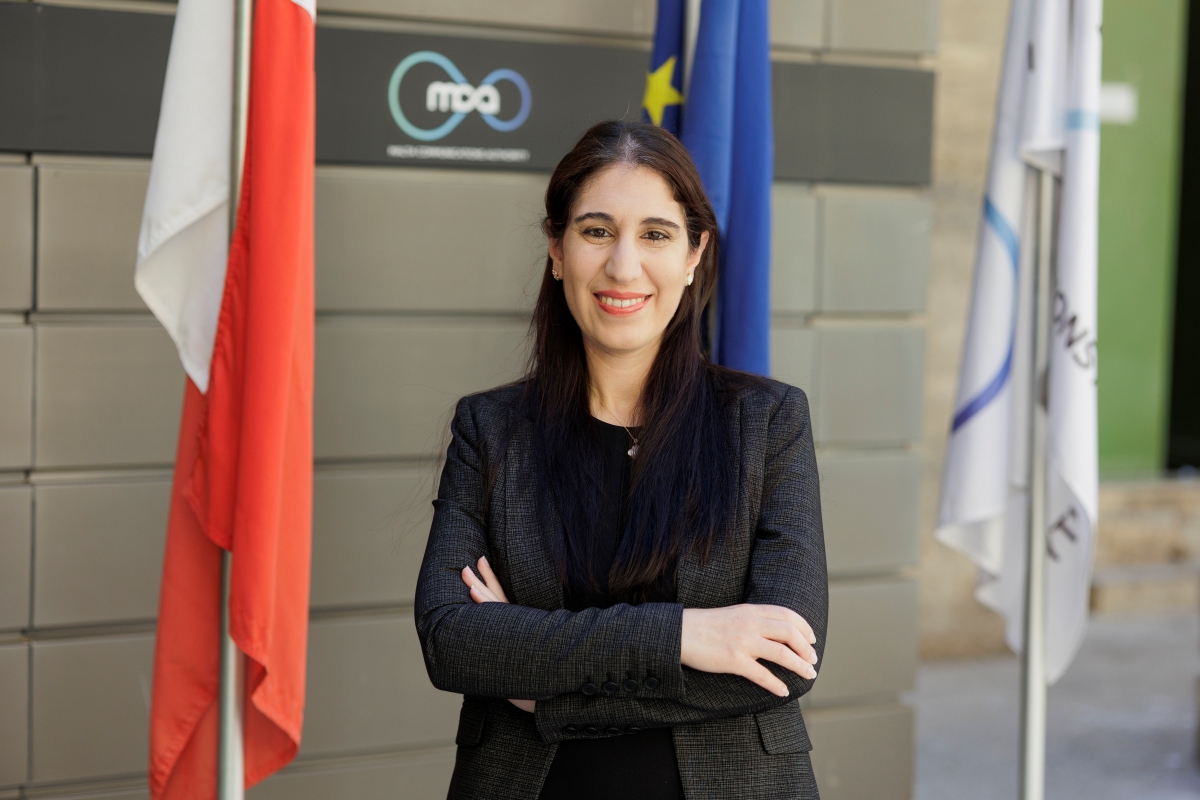
“We already have a very good understanding of the issues that generate complaints in the telecoms landscape, but that only shows one side of the story. The survey helps us understand the wider consumer journey and identify both strengths and areas that require further attention,” says Yanika Bugeja, Regulatory Compliance Analyst at the MCA.
Telecoms services are now deeply woven into daily life, supporting everything from communication and work to entertainment and access to information. Yet consumers often only think about them when something goes wrong. Behind each service lies a wider network of systems, professionals and safeguards, supported by a legal framework designed to ensure that consumers receive the service they expect.
“For us, understanding how consumers experience these services is central to our mission,” Ms Bugeja explains. “The more informed consumers become, the more service providers need to raise their standards, and that is something we are pleased to see.”
The Authority’s survey, conducted by PKF in 2025, provides valuable insight into how Maltese consumers interact with telecom services and how their expectations continue to evolve.
“Consumer protection remains at the heart of the MCA’s work. While operators are required to comply with legal obligations, the Authority’s focus extends beyond simply checking whether rules are being followed. It also considers matters that may not even be specifically outlined in regulation, but still have a bearing on customer experience,” Ms Bugeja explains.
The newly published survey marks the third edition of the exercise, following previous studies carried out in 2019 and 2022. While the MCA receives complaints and enquiries throughout the year, those interactions naturally tend to highlight negative experiences. The survey therefore offers a broader and more scientific picture of consumer sentiment across the sector.
“We are pleased to note that the findings provide a largely positive picture overall, with satisfaction remaining high. In fact, 89 per cent of respondents reported that they were satisfied or very satisfied with their experience. The majority also found their bills easy to understand, while customer support services in the telecoms sector continue to perform favourably when compared to the customer care in many non-telecom sectors,” Ms Bugeja notes.
At the same time, the survey highlights how consumer expectations continue to evolve.
“Many respondents indicated that bundled services may include products they do not use, suggesting a growing demand for greater flexibility and personalisation. Payment habits are also changing, with Direct Debit Mandates and internet banking now dominating, although a notable minority, which cannot be ignored, still relies on traditional methods such as cash and cheques.”
“Quality of service remain a relevant part of the consumer experience,” Ms Bugeja explains. “Almost one in three respondents said they had experienced a fault or a discrepancy in their service in the past year. The findings also show that compensation was relatively limited, with only 15 per cent of affected respondents receiving a refund and a further 4 per cent receiving compensation in the form of free services or telephony credit. While compensation may not be due in every case, this underlines the importance of consumers being familiar with the compensation terms and schemes set out in their contracts, so they know what to expect when things go wrong.”
With the market constantly changing, the MCA also sees to refine questions to reflect new realities, while ensuring enough consistency between surveys to allow comparisons over time.
“This time around, we made sure to explore the subject of scam communications in greater depth, reflecting the fact that they have become increasingly common and continue to have a growing impact on consumers. The survey also examined consumers’ experiences with fraud more closely, recognising the wider social and financial implications of this issue,” Ms Bugeja noted.
The results show that scam attempts remain widespread, with phone calls and SMS messages emerging as the most common channels used by fraudsters. Importantly, the survey also examined the human impact of these incidents.
“There are real people at the centre of every scam, making this a social matter as well as a technical one. It involves victims, financial institutions, regulators, law enforcement, and many other stakeholders.” Ms Bugeja explained.
The study also found that 12 per cent of the respondents had fallen victim to a scam at some point, with victims cutting across age groups, localities, gender and academic background. Reflecting on this finding, Ms Bugeja stresses that “anyone can fall victim to a scam, so continued vigilance will always be the best defence against scammers.”
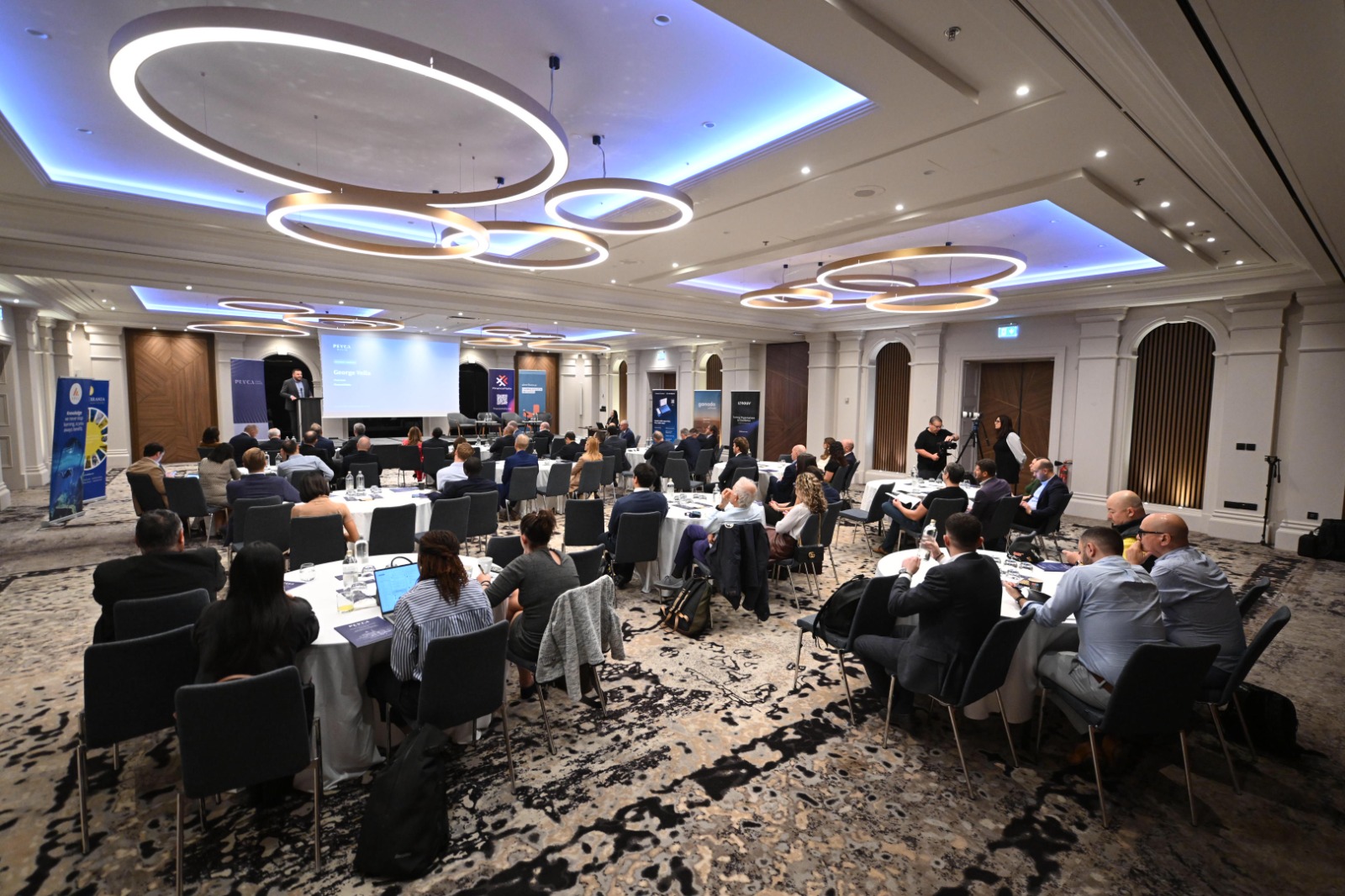
The subject was discussed during a seminar ‘Safeguarding Consumers’ Confidence in Digital Communications’, organised by the MCA, during which the study was launched. The event brought together telecom operators, regulatory authorities, victim support organisations, and other stakeholders, facilitating a wider discussion around scams and digital consumer protection.
“Ultimately, the survey allows us to see the telecoms market through the eyes of consumers. It highlights what is working, where expectations are changing, and where further attention may be needed to keep improving the consumer experience in Malta”, Ms Bugeja concludes.
The full survey findings can be found on the MCA website.
Planning Malta’s future, one shared map at a time
Ahead of the PA's annual conference, Joseph Gauci discusses integrated planning, 3D mapping and global insights for Malta’s future.
PA CEO resigns as director of his consultancy firm
The PA CEO remains the sole shareholder of the consultancy firm, under his legal name 'John Buttigieg'

Maltese innovation leaders propose tax incentives for environmentally responsible commuters
The proposal was one of five proposed by stakeholders at a Sustainable Mobility Mixer