



The Health Promotion and Disease Prevention (HPDP) Directorate has stated that employers have a key responsibility to promote physical activity and reduce sedentary time among their employees.
“The most successful examples of workplace physical interventions are the ones which allow physical activity to be embedded in the company’s culture and daily practices,” the latest issue of the Directorate’s Guidelines for Employers read.
The guidelines suggest several ways employers can encourage more movement during the workday, including introducing standing desks, promoting short movement breaks, organising walking meetings and sharing examples of simple desk-based stretches. It continued by saying that the programme should be based after consulting with members of staff, with managers leading by example, “acting as programme champions and participating themselves.”
“Once this culture is established, researchers recommend that organisations collaborate with the community and use existing resources as the foundation for the physical activity programme.”
Breastfeeding at work
The document also highlights the benefits of adopting a workplace breastfeeding policy, noting that such policies encourage new mothers to return to work while helping employers retain skilled and experienced staff.
The HPDP outlines several key elements of an effective breastfeeding policy, including:
- Designated breastfeeding breaks, allowing mothers time to express milk and store it safely in a refrigerator.
- Proper facilities, such as dedicated breastfeeding rooms equipped with appropriate amenities – not restrooms.
- Ongoing support, ensuring that returning mothers are encouraged and supported to continue breastfeeding upon their return to work.
Promoting mental health and wellbeing
Another important area addressed by the HPDP is mental health and overall wellbeing. The Directorate encourages employers to create supportive work environments through practical and proactive measures such as:
- Optimising work organisation and schedules, including reviewing job content, workload, and work pace to prevent stress and burnout.
- Introducing family-friendly measures such as flexible working hours and teleworking options.
- Providing accessible childcare services to help employees balance family and professional responsibilities.
- Ensuring transparent and fair human resources processes, which help maintain staff motivation and trust while reducing workplace anxiety.
- Offering free or subsidised vouchers for counselling or psychological support services.
- Encouraging HR professionals to attend Mental Health First Aid courses, equipping them with the skills to recognise and respond to signs of anxiety, depression, and burnout among staff.
Encouraging healthy eating
The guidelines also explore ways employers can promote healthier eating habits within the workplace. Suggested measures include:
- Gradually reducing or removing access to unhealthy foods in canteens, vending machines, and during seminars or conferences, thereby positively “nudging” healthier choices.
- Providing free healthy snacks, such as fresh fruit.
- Ensuring drinking water is readily available throughout the workplace.
The HPDP also reminded readers of its free health services, including a weight management programme and a nutritional helpline that offers tailored dietary advice.
Tackling other health challenges
In addition to physical activity, mental health, and nutrition, the HPDP guidelines also address several other key health priorities in the workplace. These include promoting tobacco cessation, offering guidance on how to manage alcohol and substance misuse – an ongoing reality in some workplaces – and improving hand hygiene practices to reduce and control the spread of preventable respiratory infections.
Building a healthier workplace culture
Through these comprehensive guidelines, the HPDP Directorate underscores the vital role employers play in fostering healthier, more supportive work environments. By embedding wellbeing into everyday workplace culture, organisations not only enhance employee health and satisfaction but also boost productivity and retention, benefiting both staff and business alike.

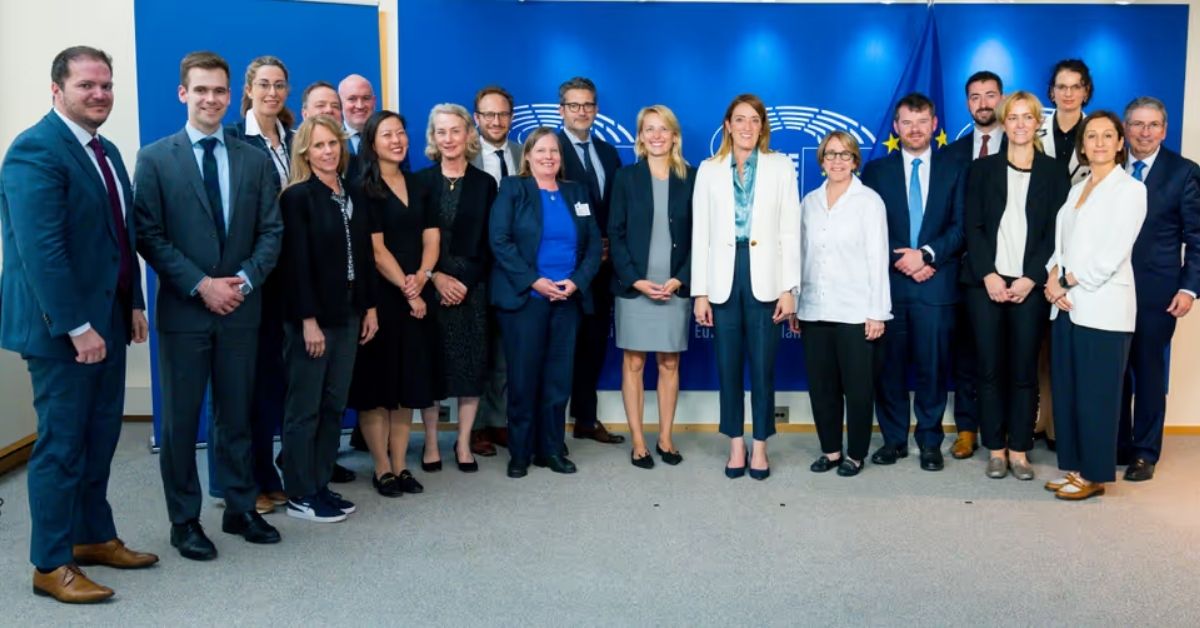
French NGO accuses Metsola and MEP of working with USA to dismantle Green Deal
Bloom calls out EU officials for 'adopting the Trump administration's strategy' to torpedo corporate environmental due diligence

Storm-hit businesses can now apply under amended Malta Enterprise scheme
A new measure offers targeted aid to storm-hit businesses while giving non-compliant operators one year to regularise their permits

Access to finance and rising fraud risks discussed at Malta Women & Finance Summit 2026
Expert advice for spotting scams and opinions on investing