


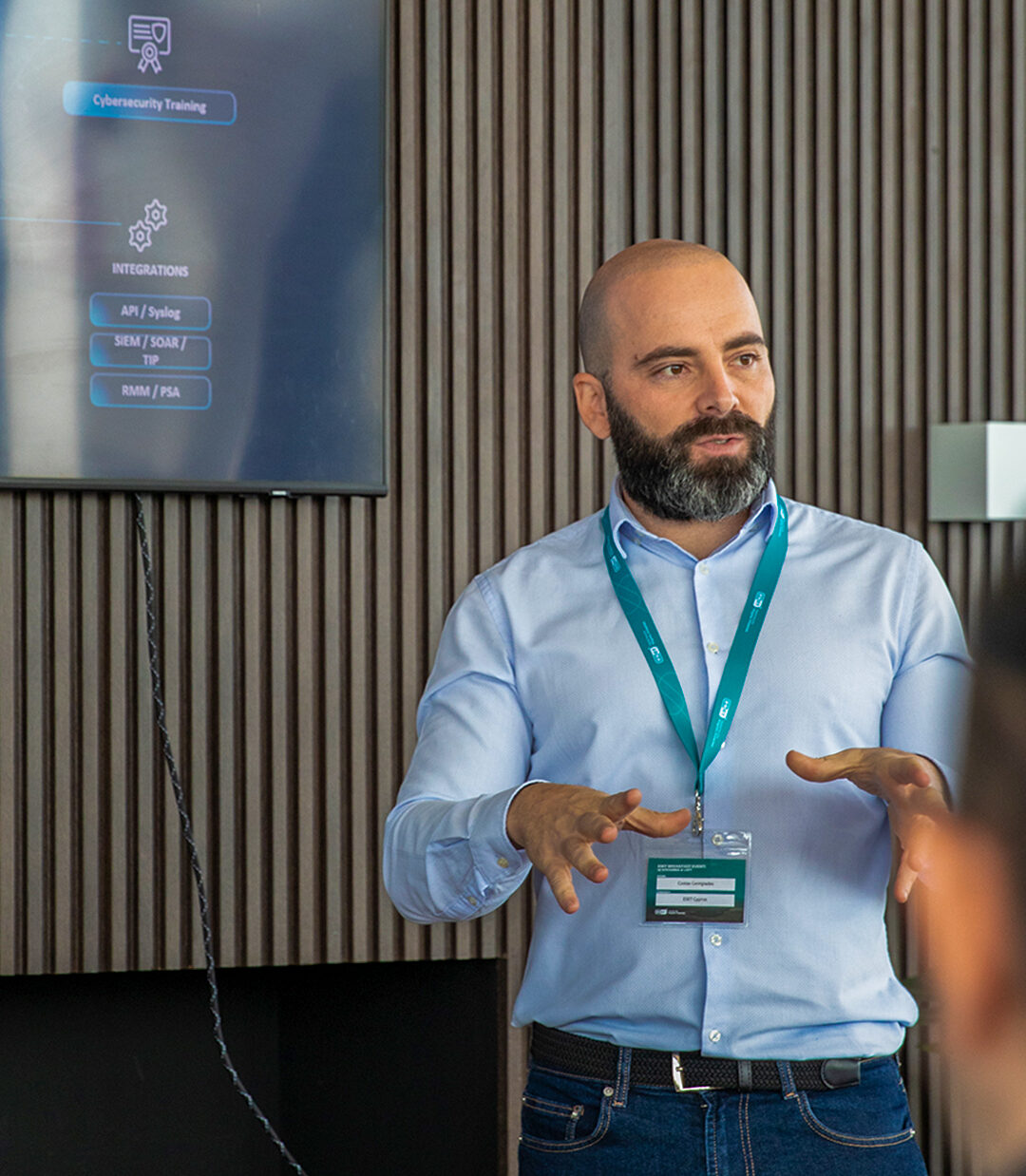
Specialist cybersecurity firm ESET has designed a risk detection and response ecosystem that harnesses AI tools through XDR (Extended Detection and Response) mechanisms, as well as human oversight through MDR (Managed Detection and Response) capabilities.
What this means, says the firm’s Territory Manager, Costas Georgiades, is that “AI does the heavy lifting at machine speed, spotting unusual behaviour, correlating signals across endpoints, cloud and identities, and prioritising what really matters. But the final judgement never belongs to a machine alone.”
The philosophy towards managing cybersecurity threats is simple, says Mr Georgidas: “prevent as much as possible, detect what others miss, and respond quickly and intelligently without overwhelming the business. Good cybersecurity today isn’t about reacting louder – it’s about seeing clearer and acting smarter.”
To this end, the firm’s XDR offering is cloud-delivered through ESET Inspect – part of ESET’s flagship platform ESET PROTECT. This uses machine learning to detect advanced and persistent threats, prevent in-memory risks, block zero-day threats; protect against ransomware, and impede company policy violation. It is also integrated with other cloud workload protection platforms (CWPPs) as well as SaaS security tools, SIEMs, and CI/CD systems.
Mr Georgidas highlights the enhanced visibility such XDR provides, as well as its utilisation of behavioural analytics which spots suspicious activities and halts attacks before they hit.
Elaborating, he indicates eight technical capabilities of any mature XDR offering – detection, response, balance, transparency, customisation, integration, multiplatform coverage, as well as managed services – stating that these are the cornerstones of ESET’s offering.
To put it in other words, ESET’s XDR analyses behaviour, automates responses to identified threats and is also able to map risks across different digital environments.
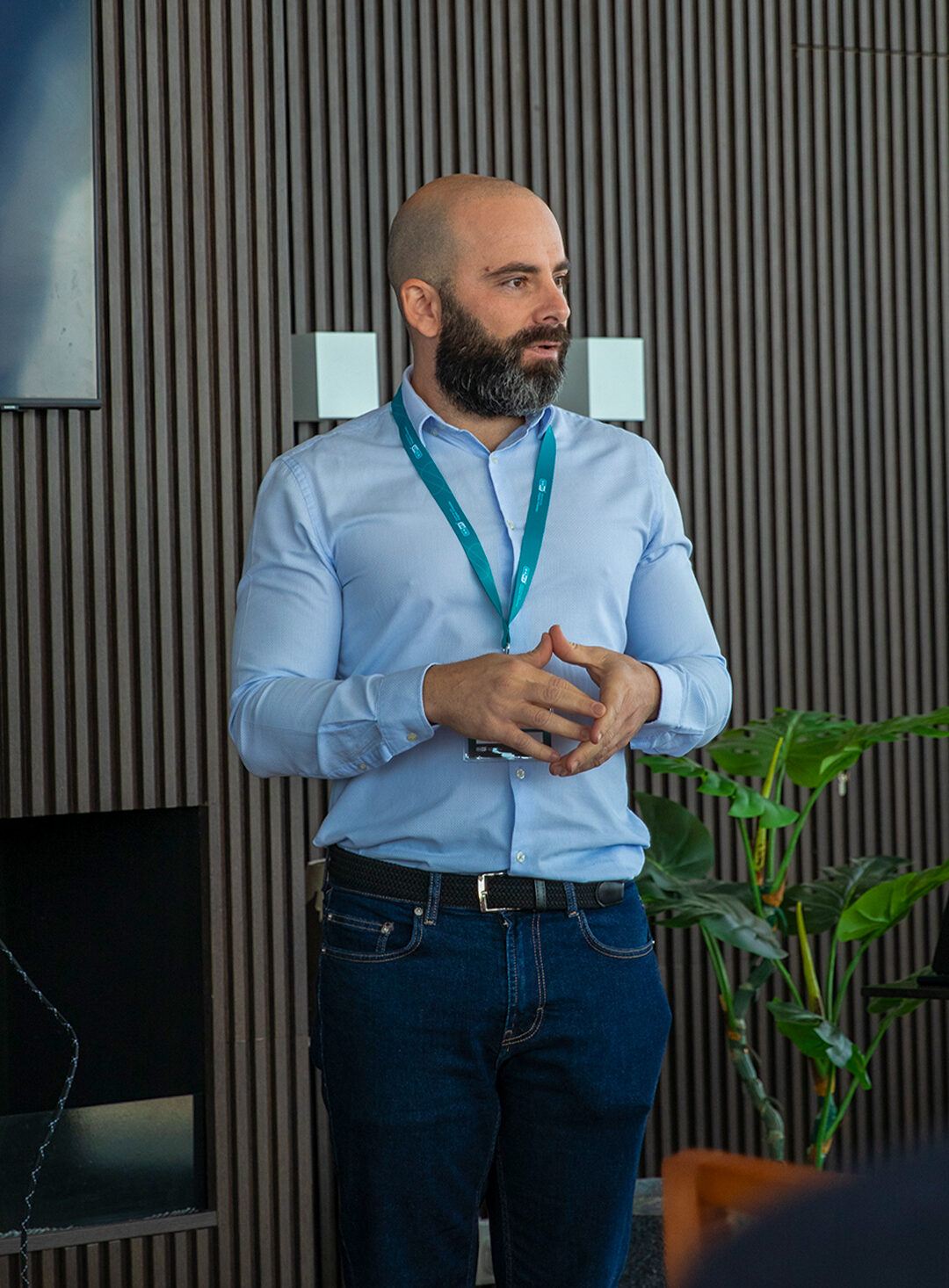
Concomitantly, Mr Georgidas states that XDR is complemented by 24/7 human-managed service, which boasts a six-minute response time. “When a serious threat appears, our human experts step in to validate context, understand business impact, and decide on the most appropriate response,” he explains, adding: “Think of AI as the accelerator and humans as the pilots. Technology gives us speed and scale, and people bring accountability, judgement and experience, especially when containment decisions affect real operations,” he asserts.
Moreover, ESET’s offering eschews a one-size-fits-all approach and, instead, it is adapted to each individual customer security profile.
In fact, ESET PROTECT – providing the front end for such specialised services, and offering security for desktops, mobile devices and servers – is localised into over 30 languages and is serving clients in over 200 countries. The business also offers cloud application protection – for example for Microsoft 365 – as well as advanced encryption and multi-factor authentication for those clients with those particular needs.
To determine the particular profile of each client, Mr Georgidas explains that ESET starts “by listening before we deploy anything. Every organisation has a unique digital footprint, so we take time to understand how they operate their endpoints, cloud services, identities, data flows, and even their internal processes,” he continues.
“From there, we analyse real telemetry from their environment, not assumptions. This allows us to establish what ‘normal’ looks like for that specific business and identify gaps or risky behaviour that might otherwise go unnoticed. The goal is to protect the business as it actually works, not force it into a generic security model,” he insists.
To illustrate the benefits of ESET’s combined XDR and MDR framework, the Territory Manager quotes an example of a mid to large organisation ESET has worked with that operates critical infrastructure, where uptime is non-negotiable.
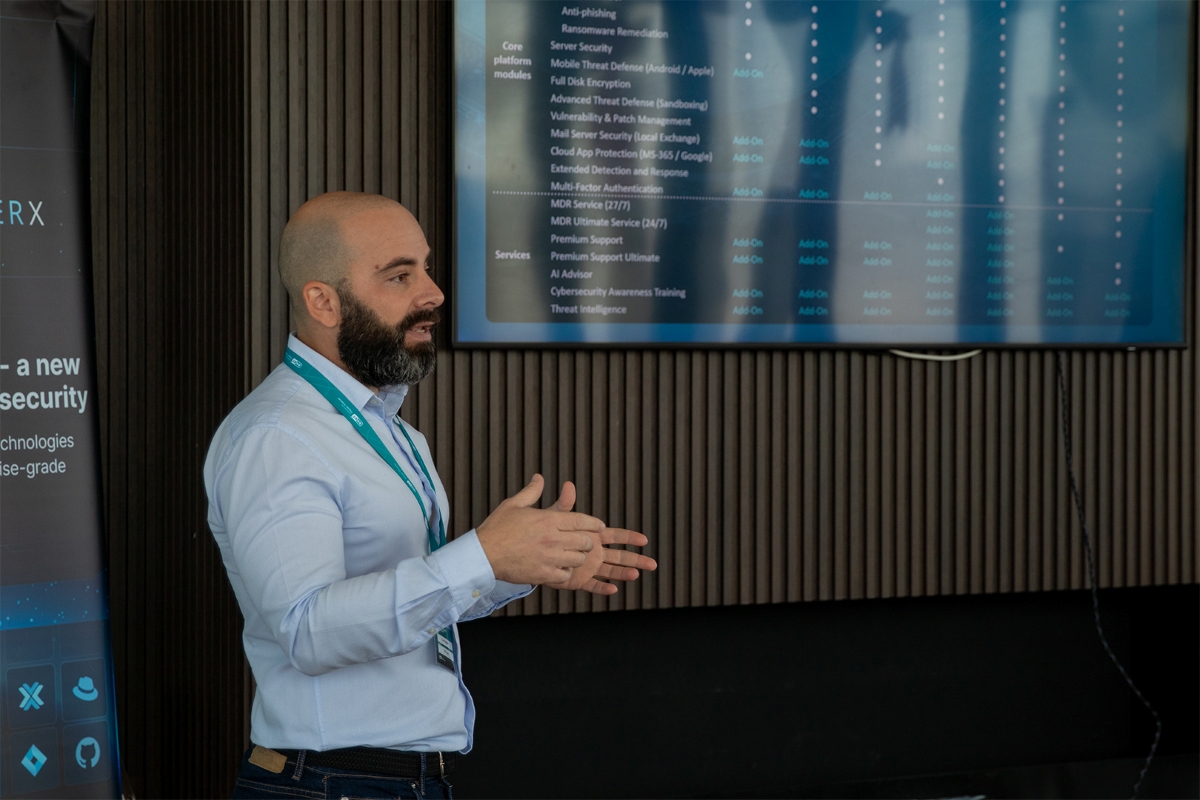
“Before adopting our approach, their security tools worked in silos, which created blind spots and slow response times. By unifying visibility across endpoints and identities and introducing proactive threat hunting, they gained clear insight into what was really happening in their environment.,” he says.
Moreover, “incidents that previously went unnoticed were identified early, response times were reduced dramatically, and the security team could finally focus on real risks rather than alert noise. The biggest change wasn’t just technical, it was confidence in their security posture,” he explains.
Looking ahead, he sees ESET’s offering further evolving. “Cybersecurity is becoming less about isolated tools and more about outcomes. Going forward, we’ll see even stronger focus on identity-centric threats, deeper automation guided by AI, and wider adoption of managed services as skills become harder to find.”
This means that ESET is geared towards “continuing to evolve a unified ecosystem where prevention, detection and response work together seamlessly whether a customer manages it themselves or relies on our experts.” To this end, he insists: “The direction is clear: faster decisions, fewer blind spots, and security that supports business growth rather than slowing it down.”

More than 50 startups collectively awarded €15 million in financial assistance
These businesses have created around 250 quality jobs, Government said

Insurers call for urgent clarity over EV disposal procedures while highlighting ‘practical difficulties’
Malta currently lacks suitable facilities for treating these batteries, association said

Working remotely abroad? Businesses warned of potential tax risks at Mobility Elite Summit
Working remotely abroad is not just a matter of finding a nice place