


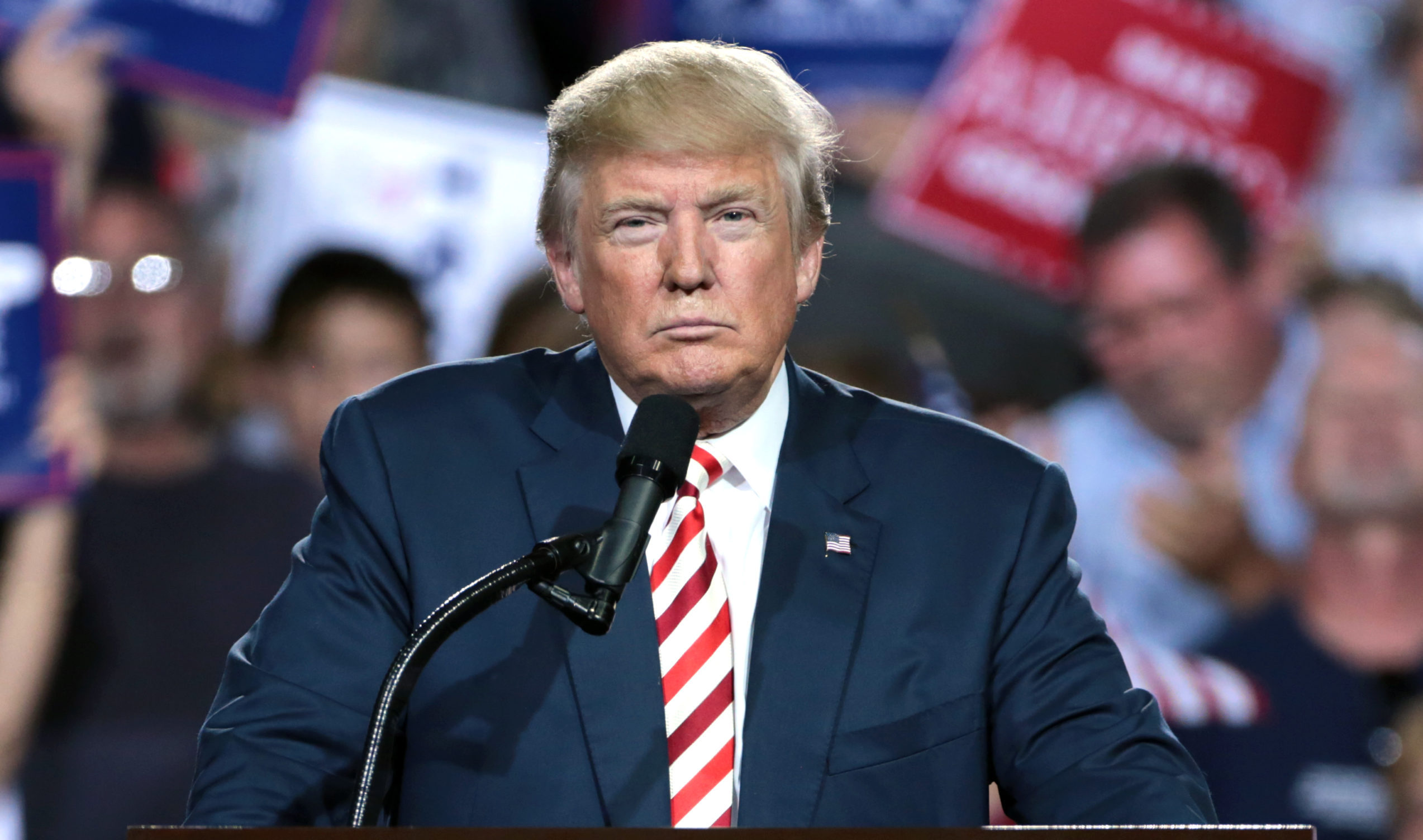
The European Union has announced a series of retaliatory tariffs on US goods in response to the latest trade measures imposed by the administration of former US President Donald Trump.
The EU’s countermeasures come just hours after the United States raised tariffs on all steel and aluminium imports to 25 per cent, escalating tensions in transatlantic trade relations.
Having anticipated the move, the EU was swift to respond, imposing duties on a wide range of US products valued at approximately €26 billion. The new tariffs extend beyond steel and aluminium to include textiles, household appliances, and agricultural goods, with targeted measures on products originating from Republican-leaning states. Items such as motorcycles, bourbon, peanut butter, and denim jeans – similar to those affected during Trump’s first term – are once again subject to higher import costs.
The EU’s countermeasures are designed to maximise political pressure while minimising collateral damage to its own economy. A notable focus is on agricultural goods, with tariffs set to impact soybean exports from Louisiana, as well as beef and poultry from Kansas and Nebraska. Other states, including Alabama, Georgia, and Virginia, will also see increased duties on their produce.
European Commission President Ursula von der Leyen emphasised that the EU remains open to dialogue but must defend its interests. “As the US imposes tariffs worth $28 billion, we are responding with countermeasures of €26 billion,” she stated.
Dr Von der Leyen stressed that escalating trade barriers serve neither side’s interests, particularly in an uncertain global economic climate. “These tariffs risk harming jobs, driving up prices, and disrupting supply chains on both sides of the Atlantic,” she warned.
Business groups call for de-escalation
The American Chamber of Commerce to the EU criticised the tit-for-tat trade measures, urging both parties to seek a negotiated settlement. “These tariffs will only harm jobs, prosperity, and security on both sides,” the group said in a statement, calling for urgent de-escalation.
Trump previously imposed similar tariffs on European steel and aluminium, triggering an earlier round of EU countermeasures. Under the Biden administration, these measures had been suspended, but they will now be reinstated. The EU plans to reintroduce its so-called ‘rebalancing measures’ from 1st April, followed by additional duties on €18 billion worth of US exports from 13th April.
European industry braces for impact
The US is the second-largest export market for European steel producers, accounting for 16 per cent of total EU steel exports. The European Steel Association (Eurofer) estimates that the new tariffs could cost the bloc up to 3.7 million tonnes in lost steel exports.
Trade Commissioner Maroš Šefčovič recently travelled to Washington in an attempt to prevent the tariffs but said he found little willingness to negotiate. The EU is not the problem, he said, noting that efforts to avoid punitive measures require cooperation from both sides.
Meanwhile, the UK, no longer an EU member, has confirmed it will not introduce retaliatory tariffs of its own. Business Secretary Jonathan Reynolds stated that Britain will continue engaging diplomatically with the US to protect its business interests. However, he did not rule out future trade actions, stating that “all options remain on the table.”
With trade between the US and the EU valued at approximately $1.5 trillion annually – around 30 per cent of global trade – these latest developments risk further straining economic ties between the two allies.


EU-funded acceleration programme targets Maltese blue economy startups
Equity-free funding, international pilot testing and investor connections are on offer for Maltese startups through the MED-Hubs programme

Cyber Resilience Summit highlights urgency of strengthening Malta’s digital defences
How can organisations can better prepare for and respond to cyber incidents?
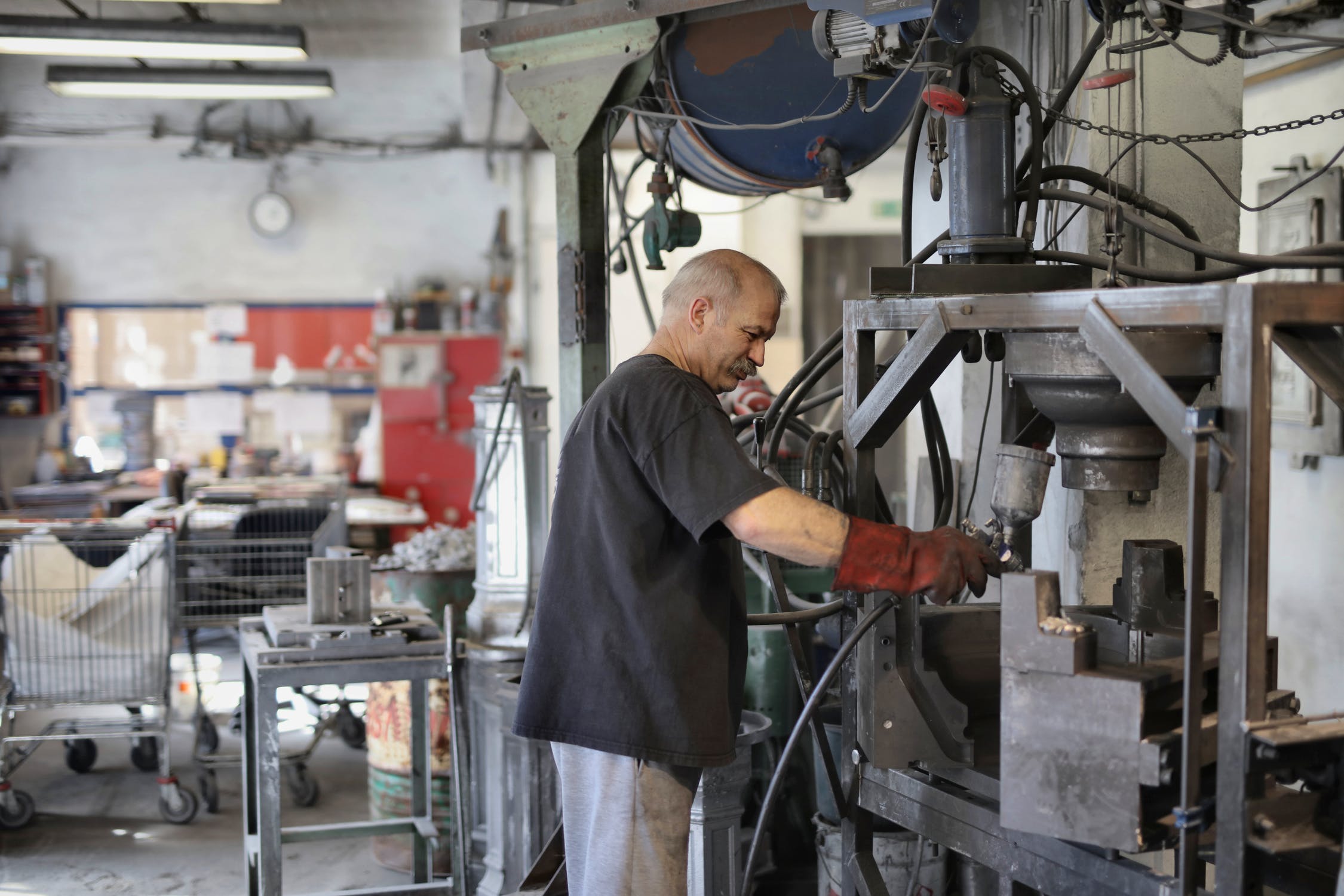
Malta workforce doubles in 14 years
There were 330,000 persons in employment at the end of 2025, double the 165,000 workers registered in 2011