


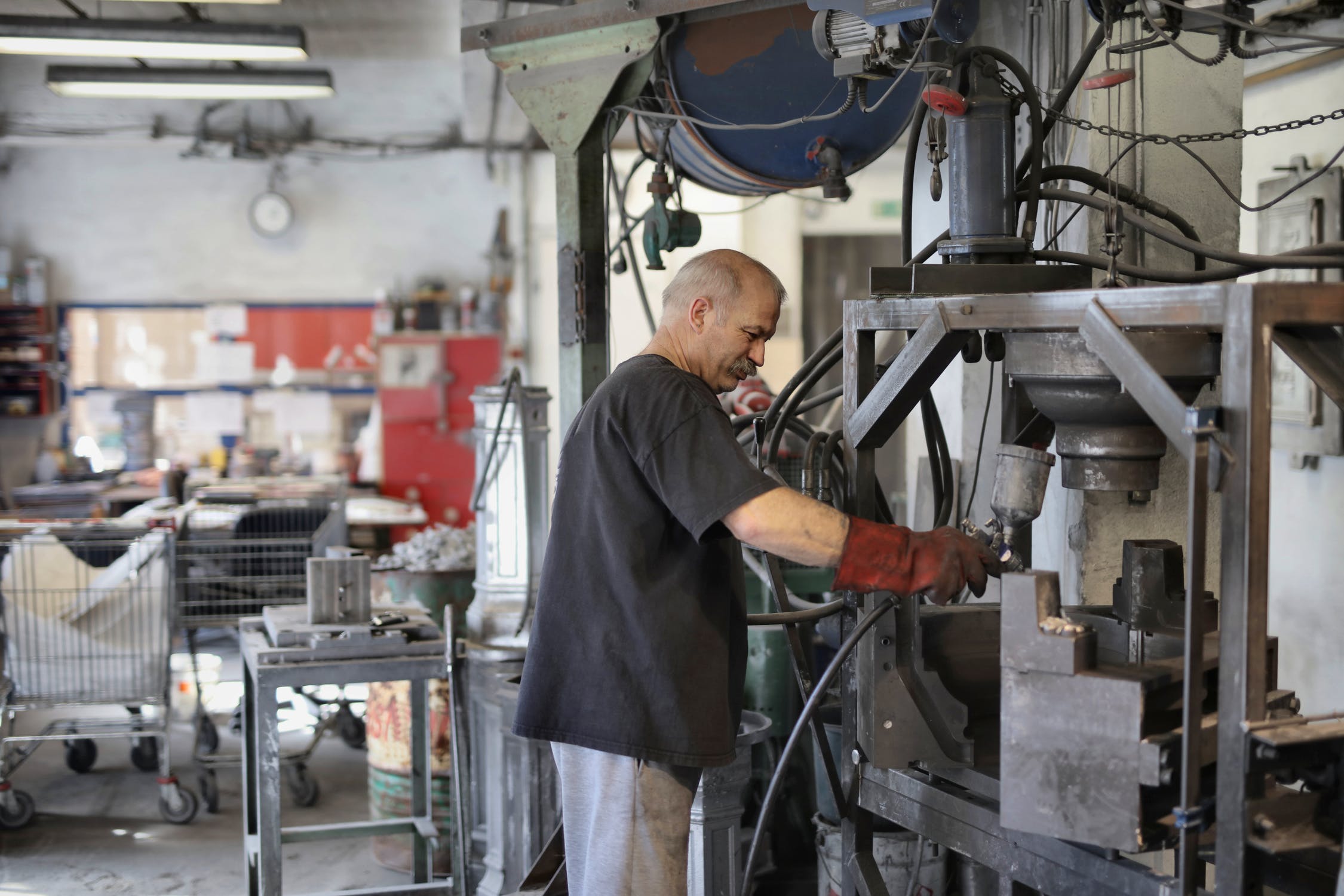
Malta’s workforce has doubled since 2011, rising from 165,000 at the end of that year to 330,000 at the end of 2025.
The rapid rate of growth has long been documented – and felt – with the latest labour force survey published by the National Statistics Office shedding new light on the influx of workers that has changed Malta over the last decade and a half.
The year with the most significant increase was 2022, as the economy re-opened after the COVID-19 pandemic, although 2017-2019 saw what was arguably the most consistent rise, with the total workforce rising by just under 50,000 over three years.
The increase was largely driven by the increase in women and foreign nationals in employment.
Central Bank data shows that the employment rate of women in the 25-49 age range rose from 39.6 per cent in 2005 to 67 per cent in 2014 and reached 84.7 per cent in 2024.
Free childcare was launched in 2014, allowing thousands of parents – mostly women – to enter the workforce.
Meanwhile, a reliance on migrant labour to meet the requirements of Malta’s growing economy led the number of foreign workers to jump from just 13,500 in 2013 to just under 130,000 in mid-2025.
Recent parliamentary filings show that the vast majority of foreign nationals – over 97 per cent – are employed in the private sector.
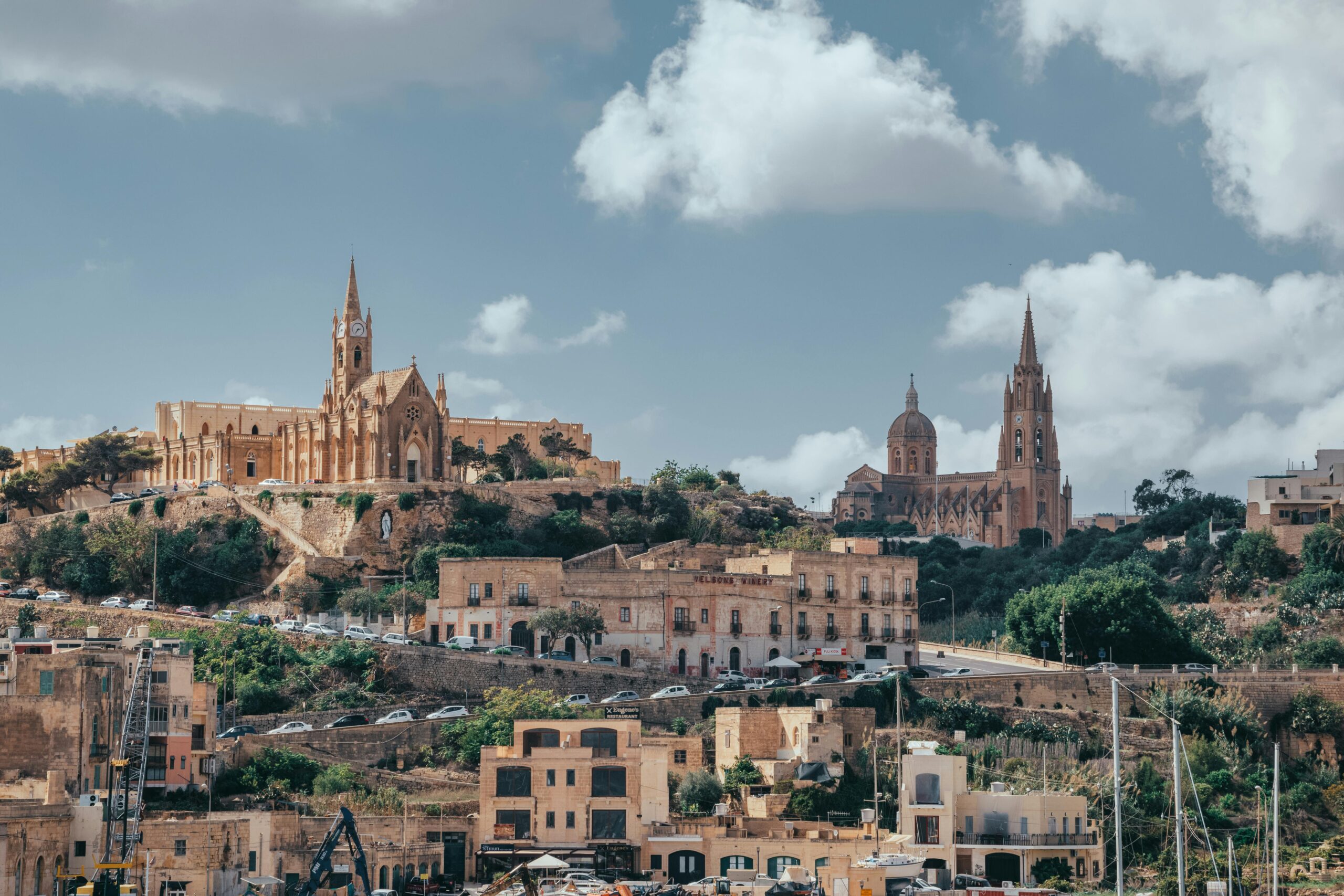

German court clears use of breached MGA documents in reporting, Lilith Wittmann says
The MGA has previously rejected the suggestion that its legal measures were intended to silence or intimidate her
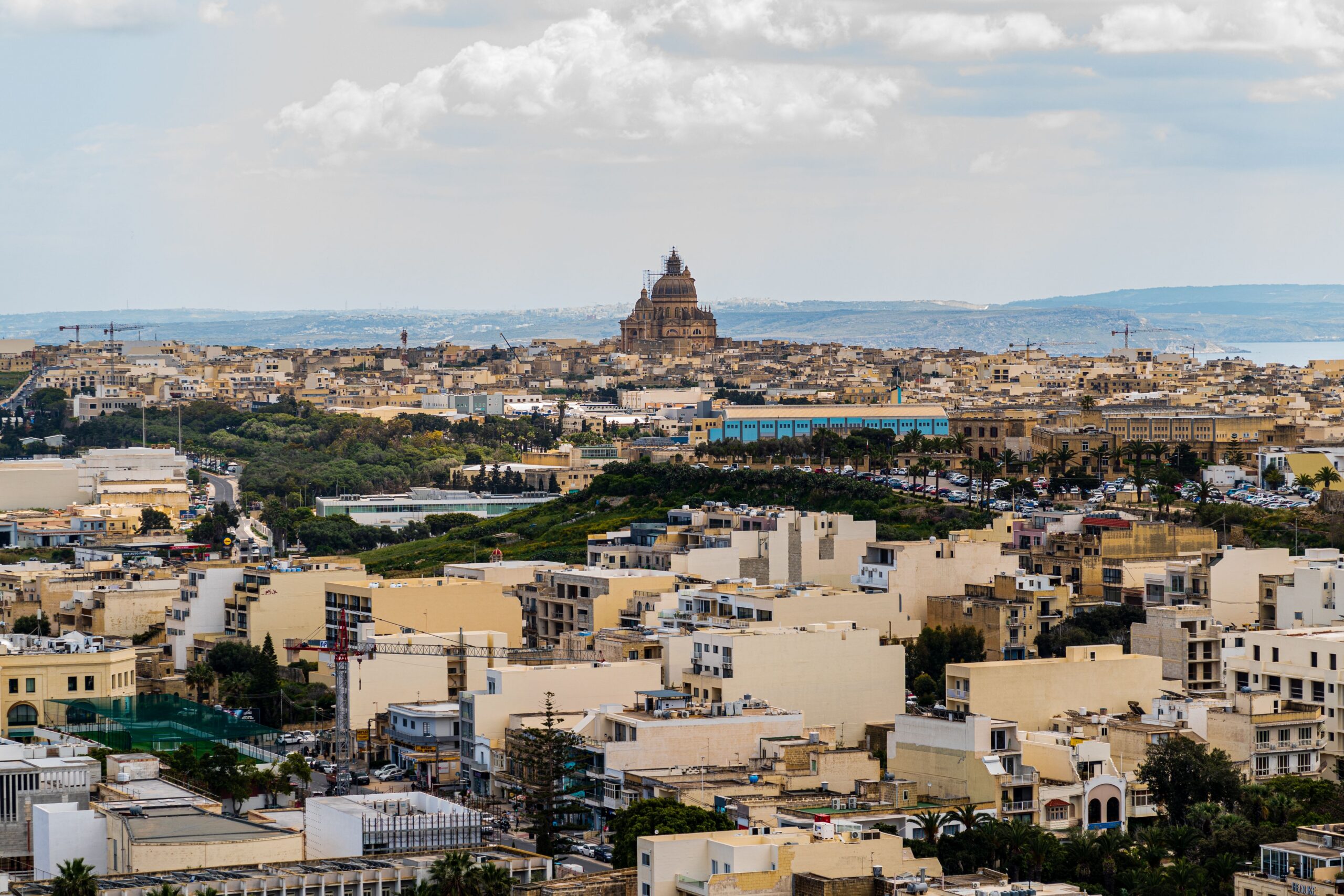
Enemalta advances plans for new Malta-Gozo interconnector
This follows a €45 million general election pledge for a Malta-Gozo high-voltage link
MDIA to assess potential for new research and innovation network in Gozo
Research is intended to provide an assessment of how a future research and innovation ecosystem in Gozo could be structured