


Malta’s exports have nearly doubled over the past decade, rising from €14.9 billion in 2015 to €29.5 billion in 2025, as TradeMalta continues efforts to help Maltese businesses expand into international markets.
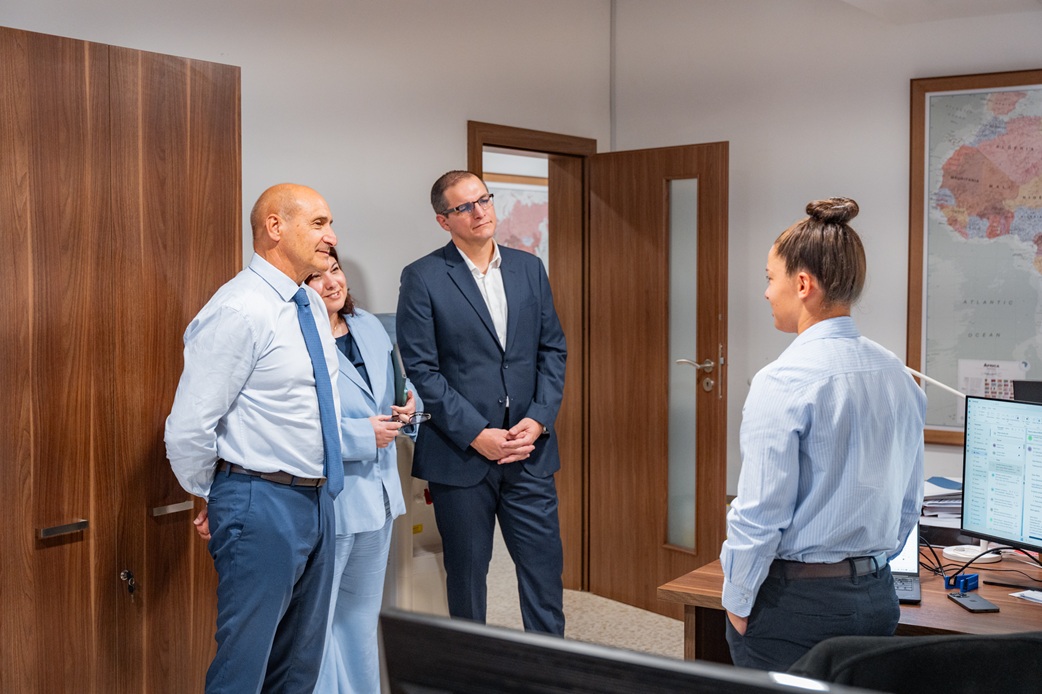
The figures were highlighted during a visit by Minister for Foreign and European Affairs Chris Fearne to TradeMalta’s offices, where he met the entity’s management and employees to discuss its work supporting the internationalisation of Maltese businesses and its priorities for the coming years.
Discussions focused on the substantial growth in Malta’s exports in recent years and how TradeMalta is adapting its operations to support both traditional exporters and the services sector, which now accounts for the largest share of Maltese exports.
Minister Fearne said economic diplomacy plays a crucial role in creating new opportunities for Maltese businesses, particularly given Malta’s position as an open economy.
“Exports are one of the pillars of our country’s economic growth. TradeMalta’s role is to help Maltese companies expand beyond our shores, while Malta’s diplomatic network continues to open doors to new markets and partnerships,” he said.
The meeting also covered TradeMalta’s future priorities, including diversifying into new markets across Africa, Asia, and the Middle East and North Africa region.
The organisation is also seeking to support more Maltese companies in strengthening their presence in international markets.
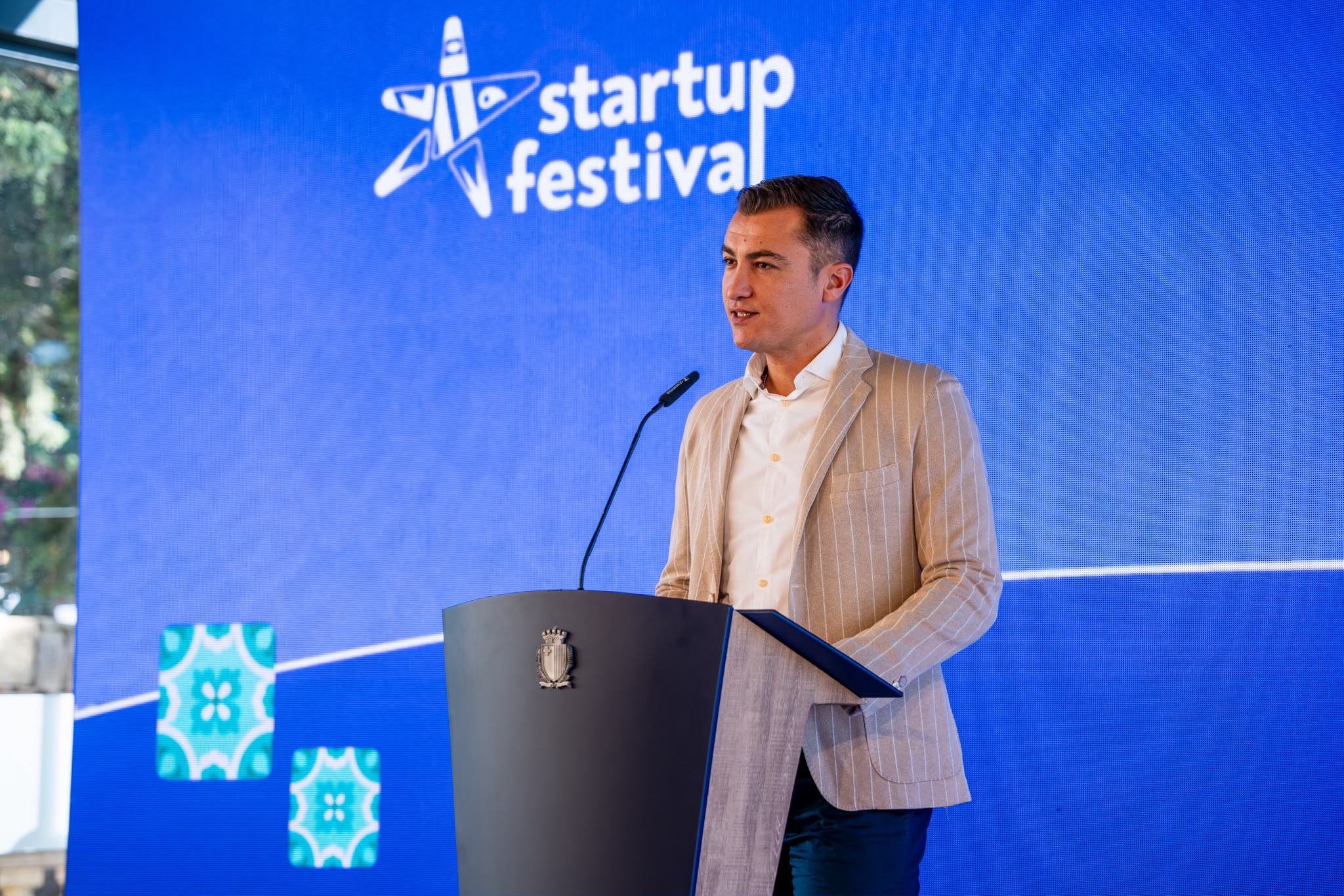
More than 50 startups collectively awarded €15 million in financial assistance
These businesses have created around 250 quality jobs, Government said

Insurers call for urgent clarity over EV disposal procedures while highlighting ‘practical difficulties’
Malta currently lacks suitable facilities for treating these batteries, association said

Working remotely abroad? Businesses warned of potential tax risks at Mobility Elite Summit
Working remotely abroad is not just a matter of finding a nice place