


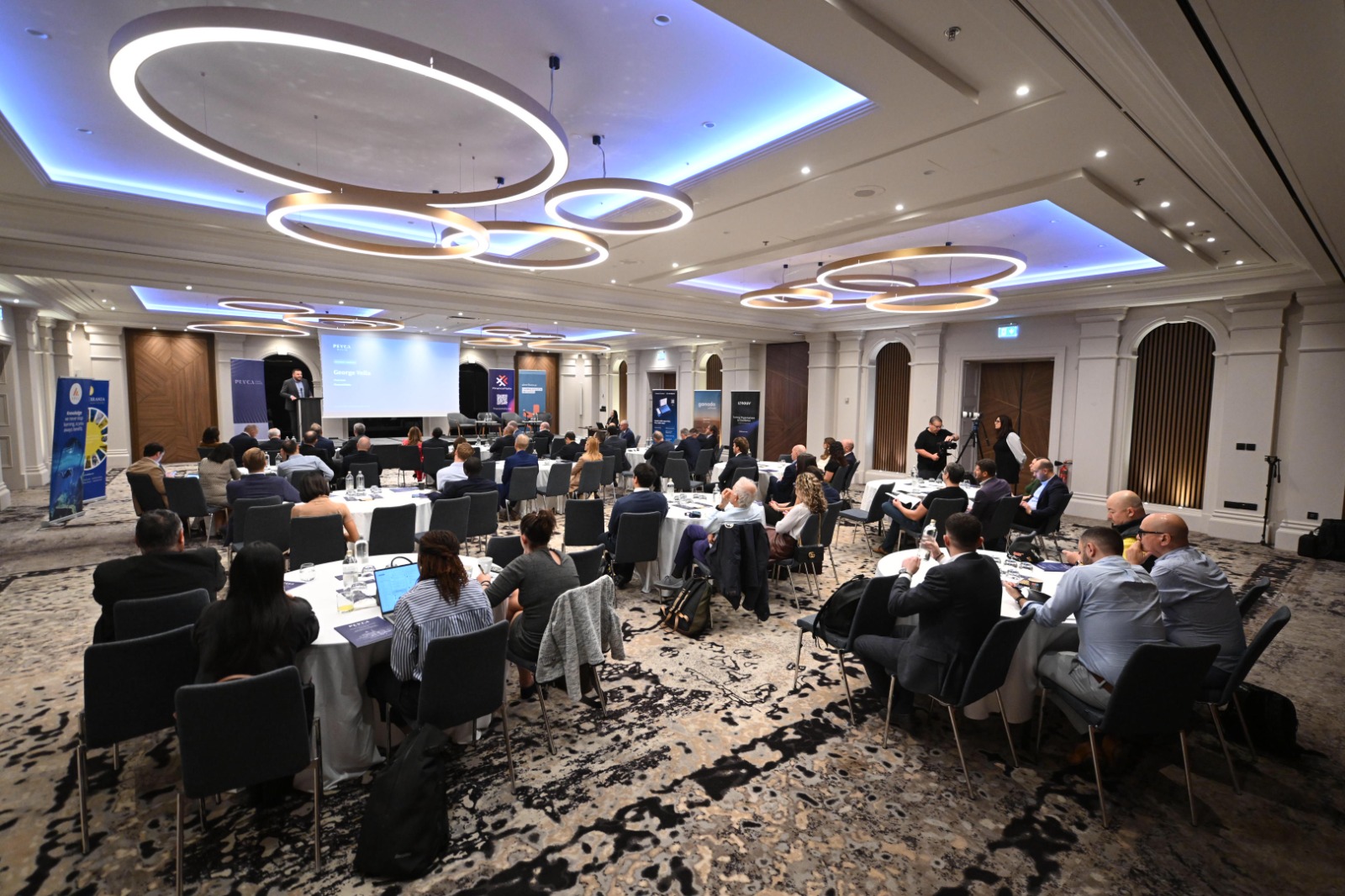
Malta should not try to become another Luxembourg or Ireland, but instead build a distinct position in private equity and venture capital, the industry’s association said on Friday at the launch of its first country report.
The State of Play Report 2026, commissioned by the Malta Private Equity and Venture Capital Association (PEVCA Malta), examines Malta not simply as a fund domicile but as a broader ecosystem.
It recommends targeting emerging managers, mid-market funds and particular regions (including Central Europe, Africa and the Middle East) rather than competing for the mega-funds that dominate Luxembourg and Dublin, and argues the most realistic opportunity lies with managers below €500 million in assets under management.
Opening the conference, PEVCA Malta Chairman Martin Galea said the ambition was to attract “genuine activity and economic substance”, while acknowledging the market would not develop overnight.
He described the report as a basis for a more informed conversation about where opportunity lies, what the challenges are and how to move forward, and stressed that its recommendations were proposals for discussion rather than settled policy.
“Dare we think big?” he asked. “Perhaps the more suitable question is: dare we not?”
The report, authored by Gavin Ryan, who spent 15 years as a mid-cap private equity fund manager, makes four recommendations: zero capital gains tax for local investors in PE and VC funds, to draw capital away from real estate; a Government-backed fund of funds with independent professional management; extension of the 15 per cent income tax rate to qualifying PE fund managers regardless of their ownership stake; and zero tax on carried interest for Malta-resident fund managers.
FinanceMalta's George Vella said he believed the sector represented a niche of growth.
Malta had changed substantially since EU accession in 2004, when around three-quarters of the economy was service provision close to the European average; today just under 90 per cent is export-oriented services.
He noted Malta remains the only EU member state without a European Investment Bank-supported fund of funds, and said Maltese development banks have now been accredited for that role.
John McIlwaine, the European Investment Fund's senior regional representative for Italy, Croatia and Malta, said the EIF and EIB together represent around €100 billion in investments, and that European private credit differs sharply from the highly leveraged approach associated with the United States.
Malta, he said, could open itself to this market.
The report’s own analysis says that Malta has around 3,000 companies in the EU’s small and medium category, and earlier estimates put as many as 300 within reach of a private equity investment.
But screening the Government’s company database against three realistic lower mid-cap strategies — “quality only”, “good but overleveraged” and “smaller good company” — left just 35, 67 and 8 companies respectively: roughly 100 prospects in total.
The report concludes the potential for a Maltese SME mid-cap market is “extremely limited” and that there is “almost no scope” for generalist lower mid-cap funds, recommending thematic vehicles such as energy efficiency or digitalisation instead.
The report argues Malta’s building blocks are already in place – EU membership, the English language, a common-law framework and a financial services sector employing 14,745 people, or 2.5 per cent of the population against Luxembourg's 8 per cent – and that the obstacles lie instead in domestic capital, fund-manager presence and tax competitiveness.
Later during the event, a panel discussion heard from Gary Quinn, a US-based finance executive, investment banker, and senior advisor, Przemyslaw Koger, Head of Alter Domus Malta, and Bernice Buttigieg , Chief Strategy Officer at Finance Malta. The discussion was moderated by PEVCA board administrator Stephanie Farrugia.
PEVCA Malta general secretary Herald Bonnici closed the conference. Turning to the report he said that it gives a clearer picture of where Malta stands today, where the opportunities lie and what is needed to unlock them.

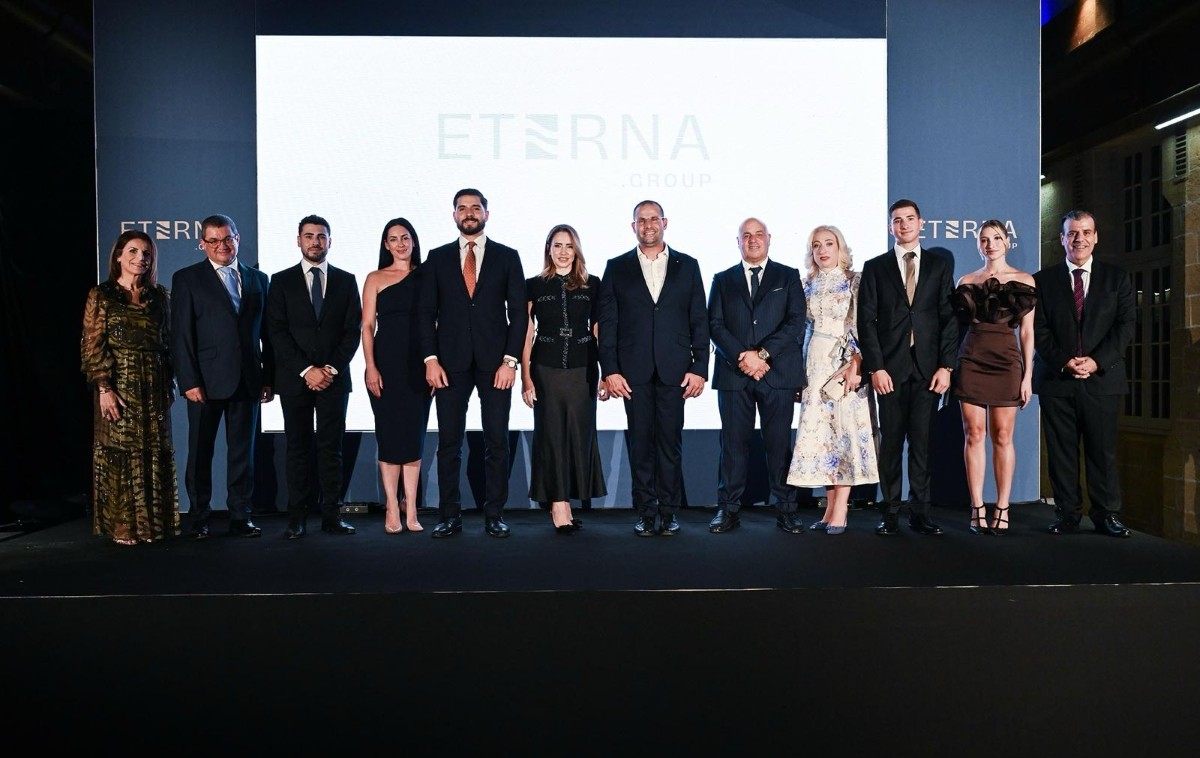
ETERNA Group unites Malta’s leading food and healthcare businesses for next phase of international growth
Group employs approximately 6,600 people and reports €244.6 million in annual revenue, with operations spanning food, healthcare and innovation
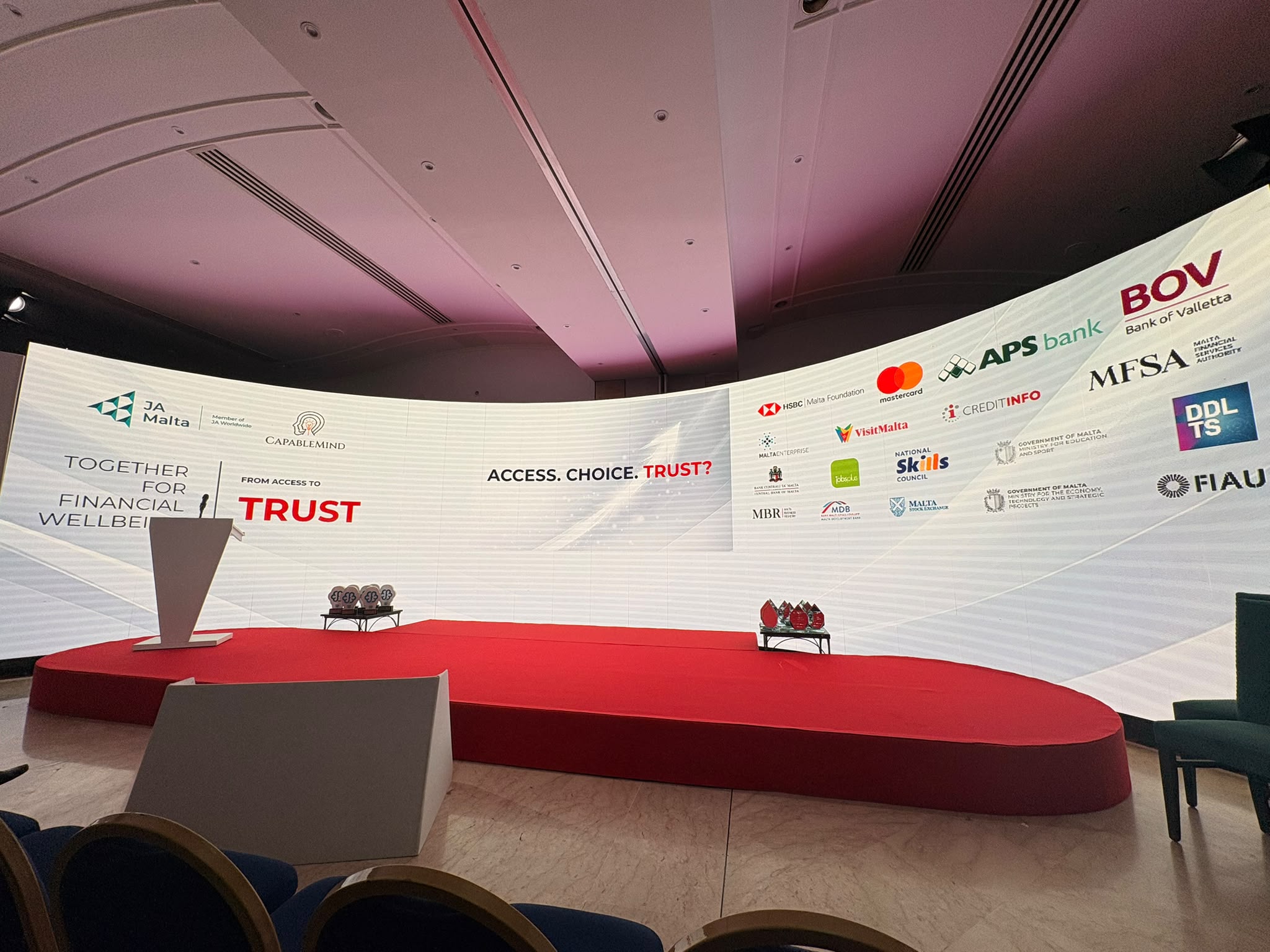
Financial knowledge alone is not enough to improve financial wellbeing, experts warn
Experts are discussing how financial education can be translated into better financial decisions

Tourism intensity climbs as Malta’s effective population tops 670,000 in August
During August 2025, St Julian’s tourism intensity reached 143 tourists per 100 residents