


Malta’s effective population reached 671,576 in August 2025, including 90,332 tourists, according to figures published by the National Statistics Office (NSO).
The report states that Malta’s average resident population at mid-year stood at 581,244. When the average daily tourist population was included, the effective population for the year reached 632,011.
The effective population fluctuated throughout the year, reaching its highest level in August and falling to 594,428 in December, when the tourist population stood at 13,184. The difference between the two months was 77,148 people.
Tourism intensity increases to 8.7
Annual tourism intensity increased from 8.2 in 2024 to 8.7 in 2025. The indicator measures tourist nights in all forms of accommodation per 100 residents per day, accounting for outbound tourism.
August recorded the highest monthly tourism intensity, at 15.5 tourists per 100 residents, while December recorded the lowest figure, at 2.3.
The latest figures follow those published for 2024, when Malta’s effective population peaked at 649,546 in August, including 80,701 tourists. At the time, annual tourism intensity stood at 8.2.
St Julian's records highest tourism intensity
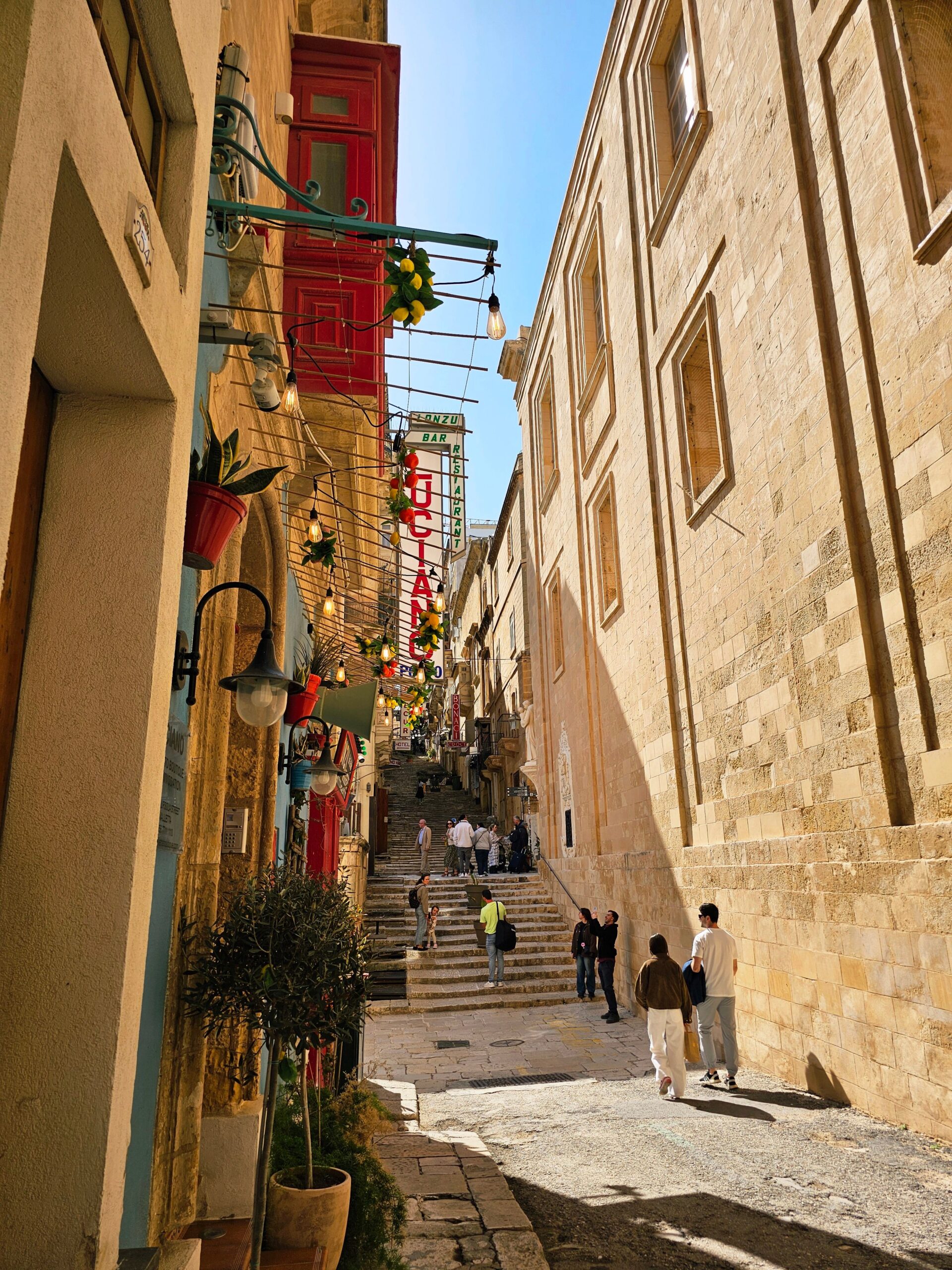
At locality level, St Julian's recorded the highest annual tourism intensity in 2025, at 82.9 tourists per 100 residents. Valletta followed with 80.5.
Valletta recorded the largest annual increase in tourism intensity, rising from 69.9 in 2024 to 80.5 in 2025.
During August, St Julian’s tourism intensity reached 143 tourists per 100 residents, an increase of 16.5 compared with the previous year. Valletta recorded 98.5, up by 16.4.
In December, Valletta recorded the highest tourism intensity among the reported localities, at 55.9.
Population density rises when tourists are included
Malta’s resident population density stood at 1,845 persons per square kilometre in 2025. When the average annual tourist population was included, the figure increased to 2,006 persons per square kilometre.
In the Northern Harbour district, population density rose from 7,718 residents per square kilometre to 8,845 people when tourists were included.
At locality level, Tas-Sliema recorded a resident population density of 17,703 persons per square kilometre, rising to 25,268 when the average annual tourist population was included.
During August, Tas-Sliema’s effective population density reached 29,023 persons per square kilometre. In St Julian's, the inclusion of tourists added 13,702 persons per square kilometre to the resident population density.

Financial knowledge alone is not enough to improve financial wellbeing, experts warn
Experts are discussing how financial education can be translated into better financial decisions

Millions in taxable income declared by 81 companies with no employees
Tax declared by US multinationals in Malta rose to €118 million in 2024, up from €24.7 million in 2020
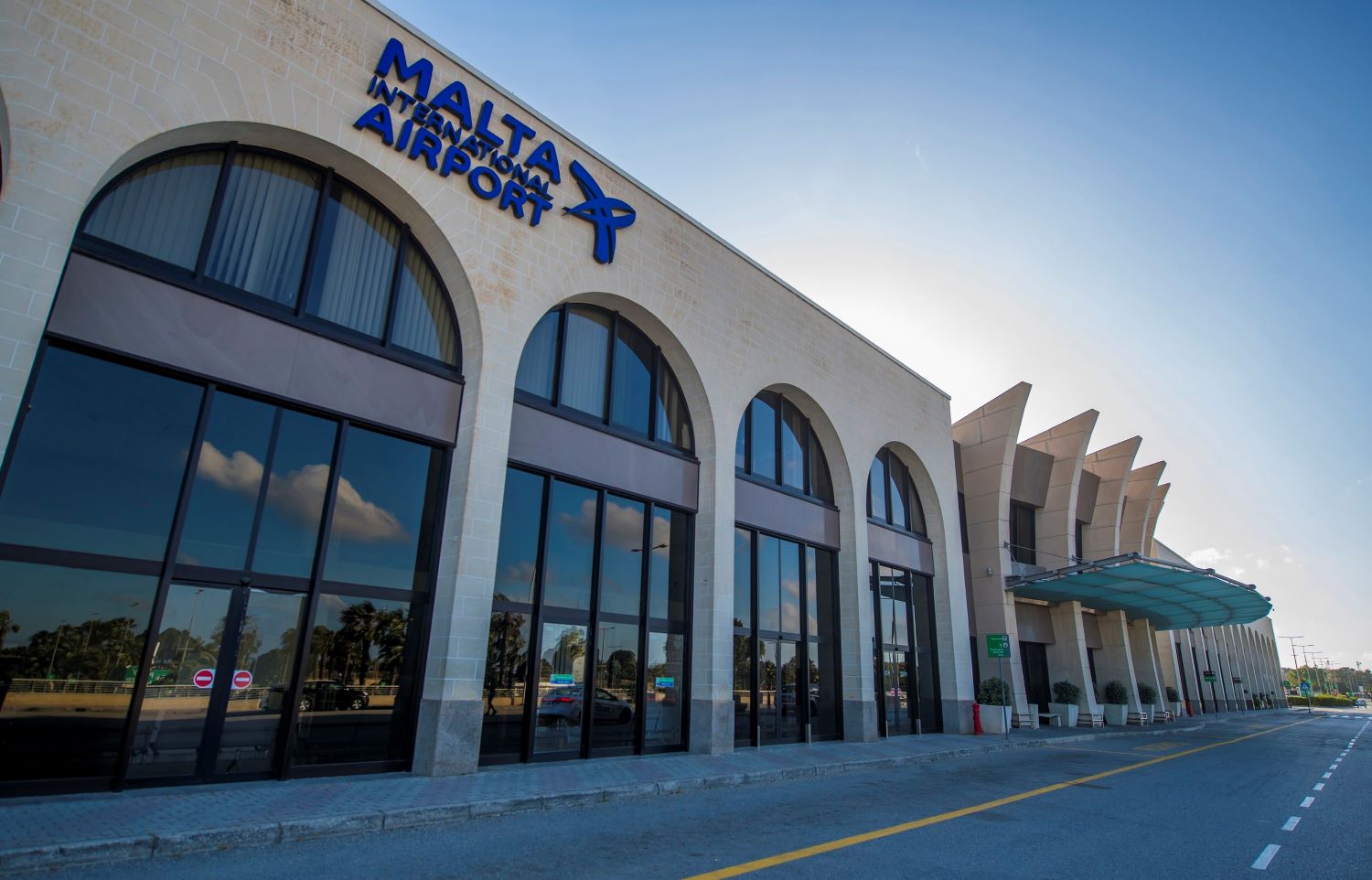
MIA sees emissions per passenger fall as traffic tops 10 million during 2025
Malta International Airport’s revenue increased by 9.9% to €157 million in 2025