


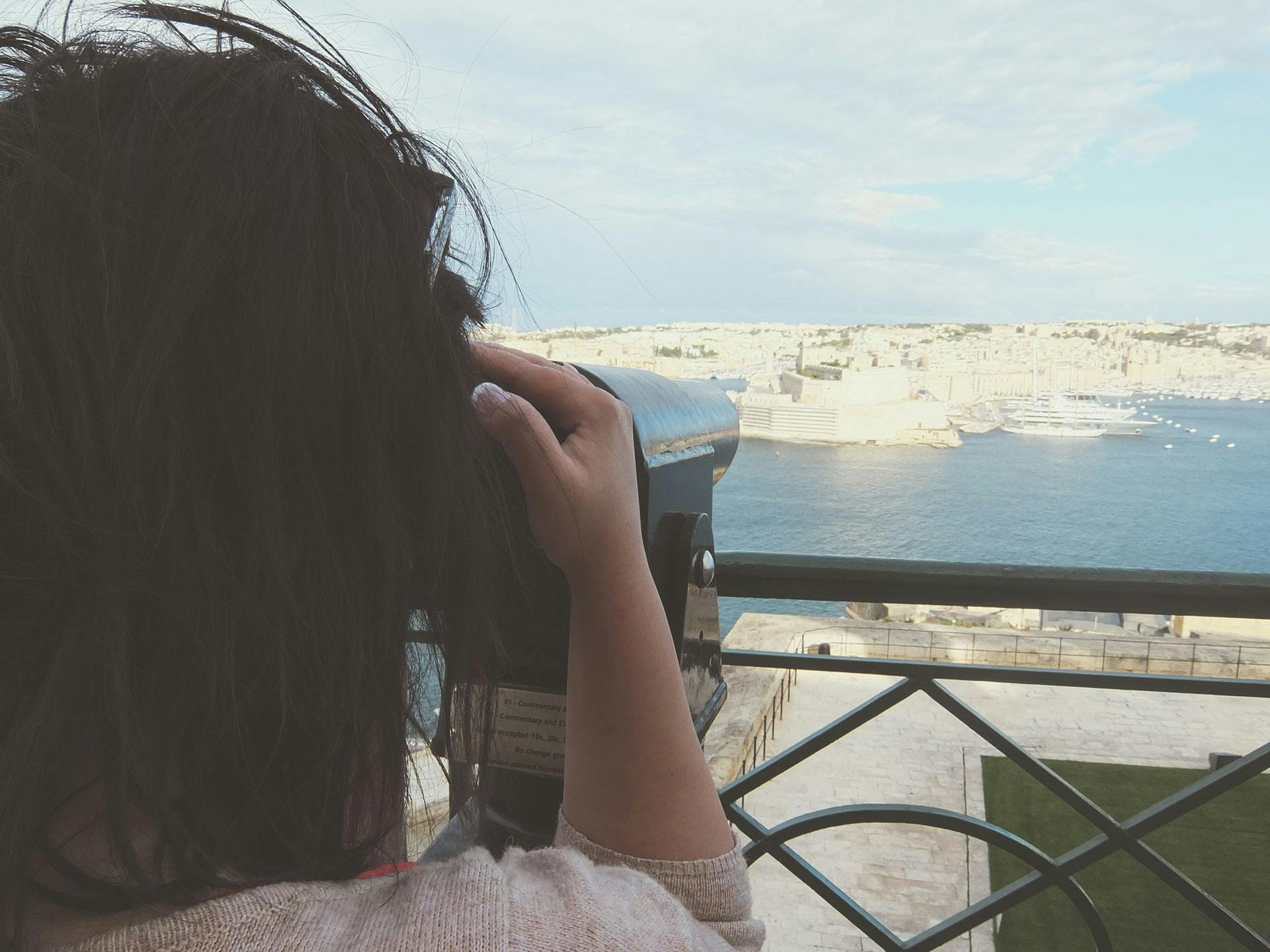
The Malta Chamber of Commerce, Enterprise and Industry has called on Government to consider a seasonal approach to the revised tourism eco-contribution, warning that the measure could affect Malta’s competitiveness, particularly during the quieter winter months.
In a statement issued on Friday, the Chamber reiterated its support for a higher-quality and more sustainable tourism sector but stressed that additional revenue from the contribution should be reinvested into improving Malta’s tourism offering.
It said investment in public spaces, cleanliness, landscaping and infrastructure would be essential to ensure visitors receive better value despite facing higher costs.
However, the Chamber warned that a fixed contribution would have a greater impact during winter, when accommodation rates are generally lower and visitors are more sensitive to price increases.
It therefore urged Government to consider a seasonally sensitive approach that would safeguard Malta’s progress in developing year-round tourism.
The Chamber also raised concerns about the impact on Gozo, particularly when the revised eco-contribution is considered alongside higher ferry costs for visitors.
It stressed that Gozo’s reliance on domestic tourism should be taken into account to ensure that the measures do not discourage visits to the island.
The Chamber also highlighted several outstanding questions surrounding the implementation of the revised contribution.
These include which cruise passengers will be required to pay the levy, whether it will apply only to those disembarking, and how payments will be collected at the port.
It also requested clarification on exemptions for accommodation providers hosting English Language Teaching students, as well as the publication of the necessary legislation and implementation guidelines.
Furthermore, the Chamber called for an adequate transition period to allow tourism operators to adjust their systems, contracts and pricing arrangements.
It noted that operators often negotiate accommodation rates and packages well in advance, making regulatory certainty particularly important.
The Chamber also maintained that the collection and administration of taxes and statutory contributions should remain the responsibility of the relevant public authorities to ensure accountability and transparency.
Ultimately, it urged Government to maintain dialogue with industry stakeholders and ensure that the additional revenue is translated into visible improvements to Malta’s tourism product.
The Chamber stressed that the objective should not simply be to make Malta a more expensive destination, but to improve its overall quality and value for visitors, businesses and residents.

AI adoption among Maltese businesses rises to 21.5%, surpassing EU average
The European Union has an average of 20%
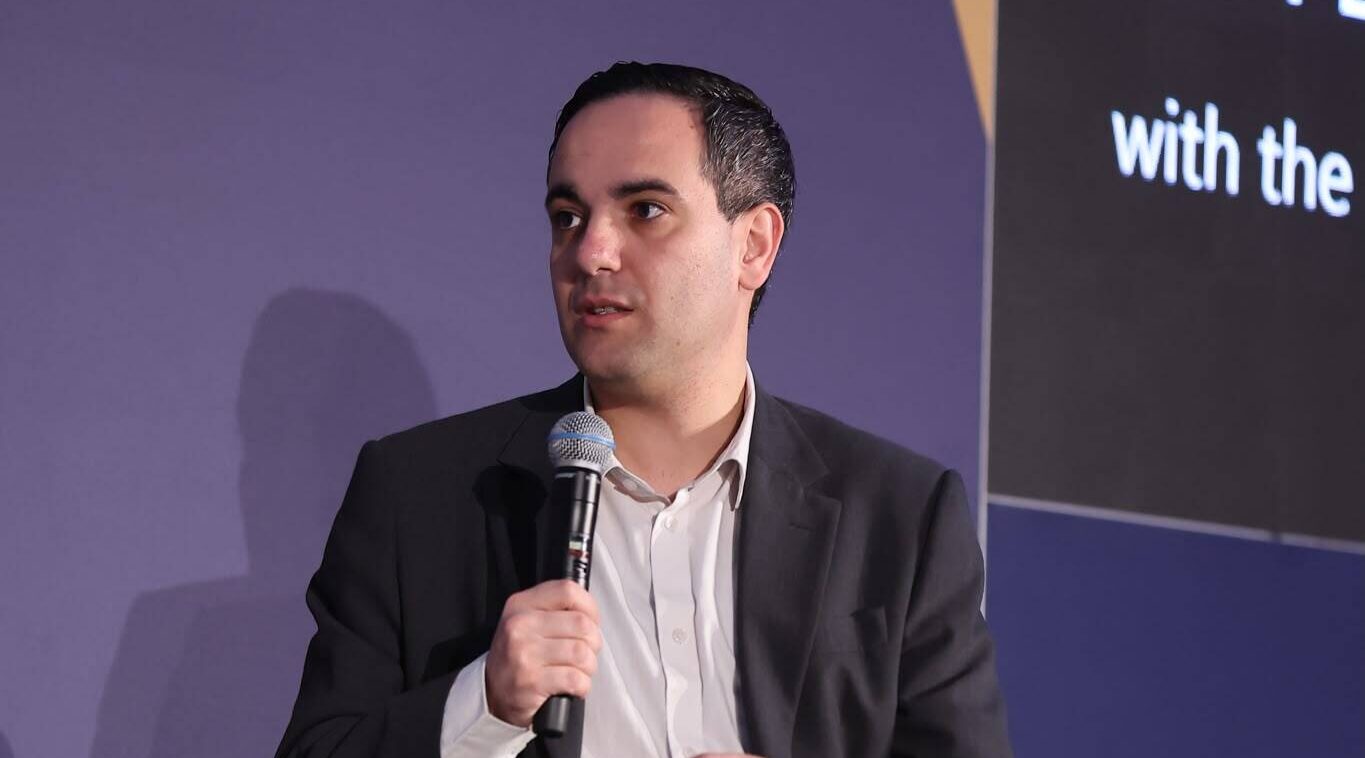
Shadow Minister for Economy Michael Piccinino says inability to vote makes TCNs ‘easy political target’
At the Business in Malta Conference 2026, he reflected on the recent Budget 2027 measures and the economy
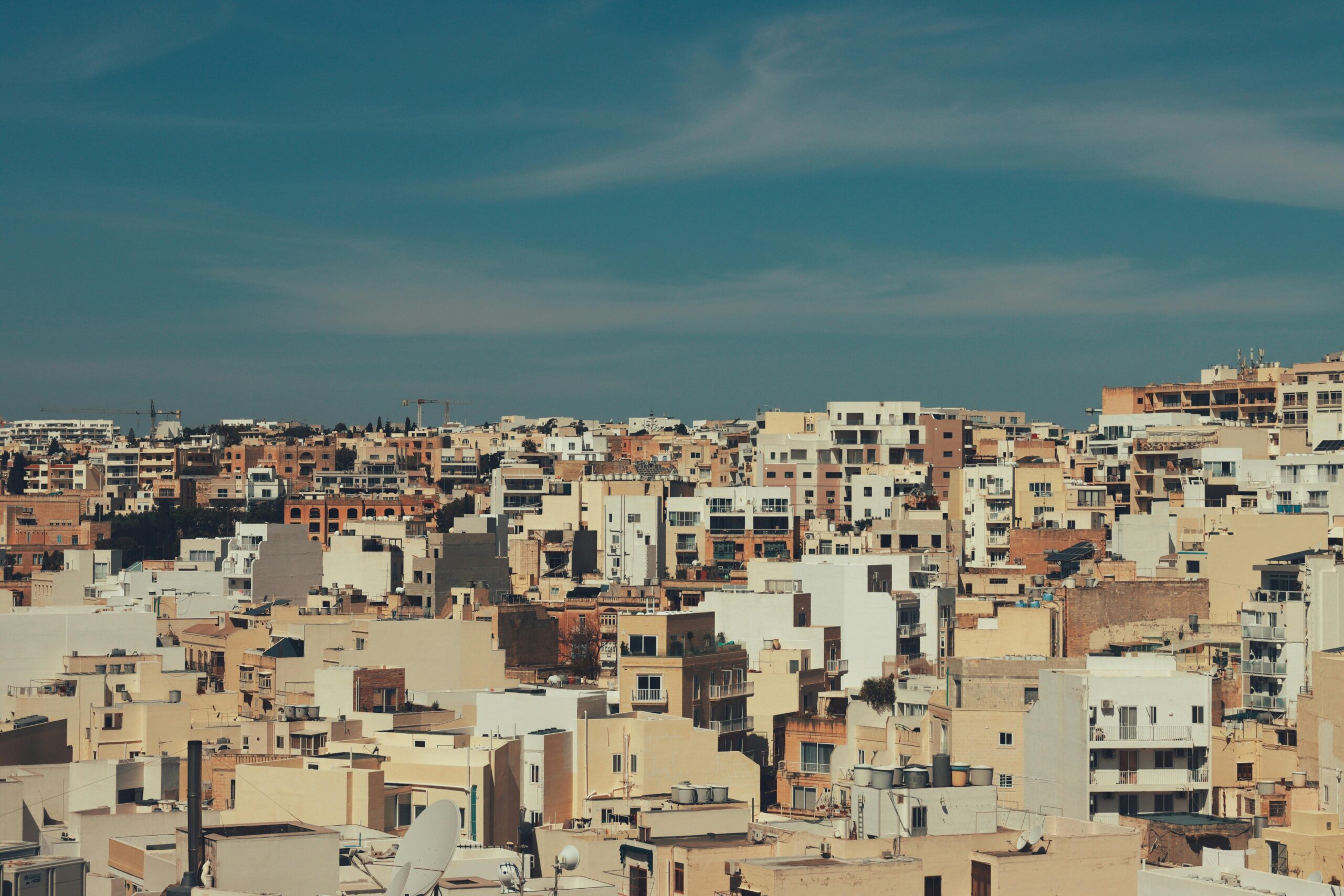
Residential building approvals down 37.4% in third quarter of 2026
The number of new dwellings approved fell to 2,298, with Gozo recording a particularly sharp decline of 48%