


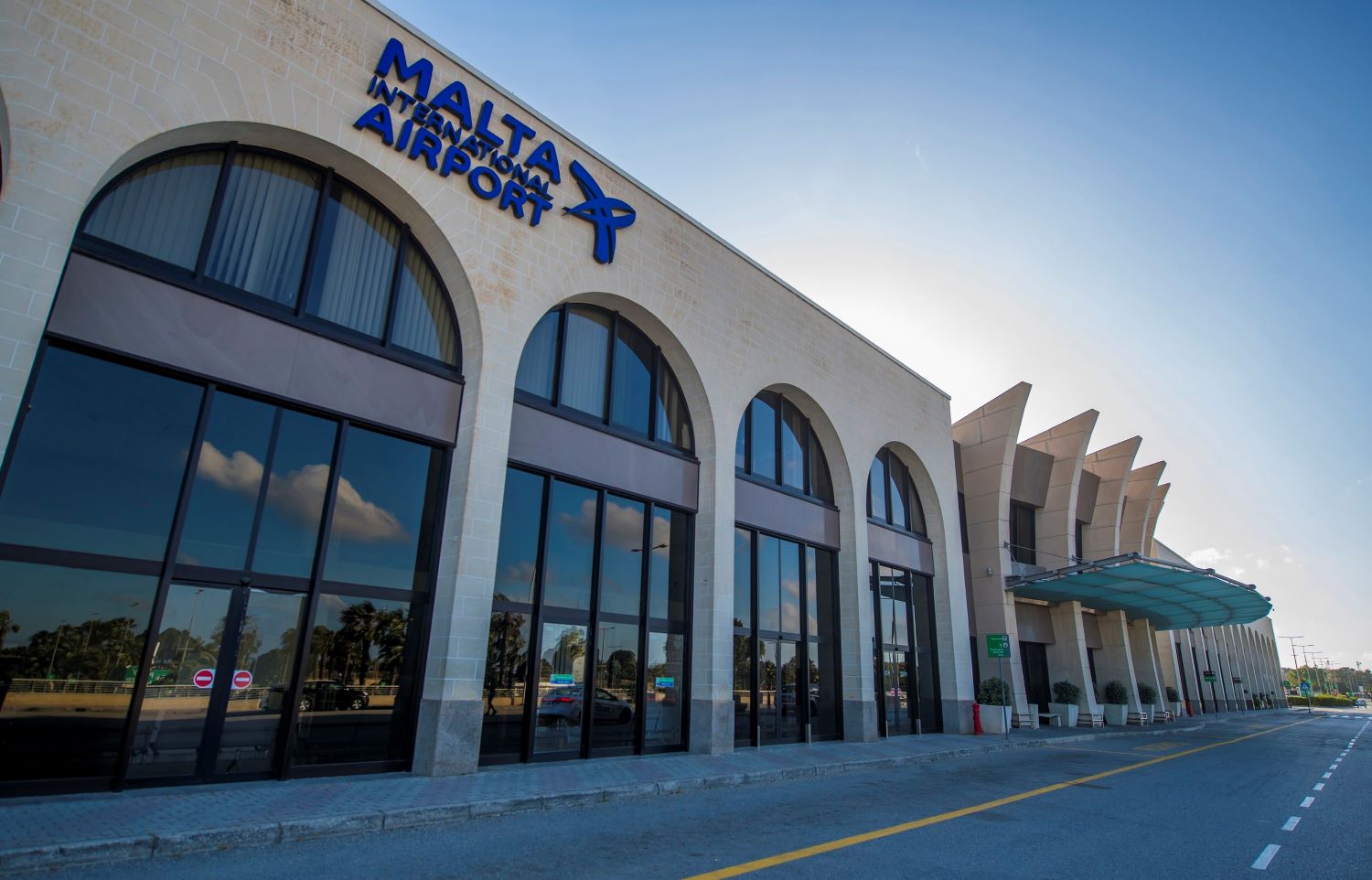
Malta International Airport (MIA) welcomed 1,187,590 passengers in July, 14.7 percent more passengers than the same month in 2025.
July’s seat load factor (SLF), which stood at 87.6 per cent, indicated high utilisation of available seat capacity despite an increase of 17.4 per cent, the company said.
“This growth was driven by an increase in aircraft movements, with the Maltese Islands benefitting from an average of 108 daily flights during the summer months."
In July, just over a fifth of Malta International Airport’s passengers travelled to or from Italy.
The company said that this market overtook the United Kingdom for the first time since February on the back of increased capacity added on several routes for the summer season.
Remaining Malta’s most well-connected market in Eastern Europe, Poland continued to perform strongly during the month, with passenger numbers increasing by almost 50 per cent.
MIA said that the German and French markets ranked fourth and fifth respectively, with Germany registering a marginal decline in traffic and France registering a drop of 5.1 per cent. “This was the first time this summer that Germany and France slipped into negative territory, primarily due to decreased flight frequencies on several routes connecting Malta to these markets,” it said.
While passenger numbers includes Maltese passengers, Malta is on track to possibly reaching its 10-year tourist number target of 4.5 million that was officially set just months ago later this year.
2,131,825 inbound tourists were registered as having visited the country between January and June, a massive increase of 18.1 per cent over the same period in 2025.


Planning Malta’s future, one shared map at a time
Ahead of the PA's annual conference, Joseph Gauci discusses integrated planning, 3D mapping and global insights for Malta’s future.

PA CEO resigns as director of his consultancy firm
The PA CEO remains the sole shareholder of the consultancy firm, under his legal name 'John Buttigieg'
Maltese innovation leaders propose tax incentives for environmentally responsible commuters
The proposal was one of five proposed by stakeholders at a Sustainable Mobility Mixer