



The eurozone is set to enter a recession over the winter as high energy prices dampen industrial activity and cut into consumers’ spending appetites, the European Commission has warned.
The price shocks unleashed by the COVID-19 pandemic and Russia’s invasion of Ukraine have also left deep impacts on the USA and the UK, as well as on the rest of the world.
In a release on Friday, the Commission said increased uncertainty and costs “are expected to tip” the eurozone and most of the European Union into recession in the last quarter of 2022.
“The contraction of economic activity is set to continue in the first quarter of 2023. Growth is expected to return to Europe in spring,” it continued.
“With powerful headwinds still holding back demand, economic activity is set to be subdued, with GDP growth reaching 0.3 percent in 2023.”
The forecast was issued at the same time as a sharp increase in the Commission’s inflation predictions, with eurozone inflation expected to stand at 8.5 per cent for 2022, a point higher than previously expected, and 6.1 percent in 2023, two points higher than earlier predictions.
“Inflation has continued to rise faster than expected, but we believe that the peak is near. Most likely at the end of this year,” Commissioner for Economy Paolo Gentiloni said.
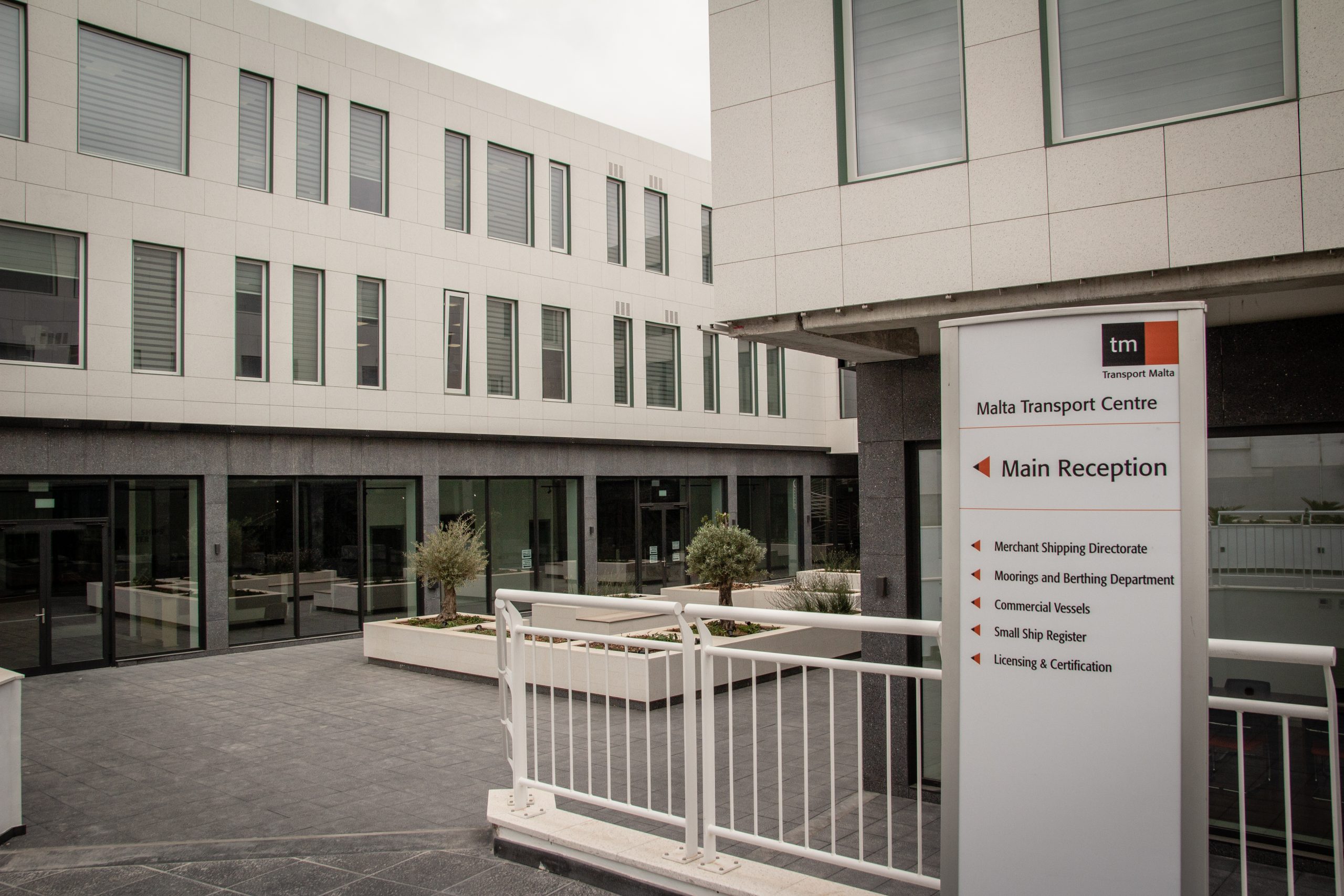

‘We realise the importance of Gozo as part of our economy’ – FBO Regulator
Joseph Gerada on the Gozitan microclimate, the urgency of succession planning, and the importance of corporate governance
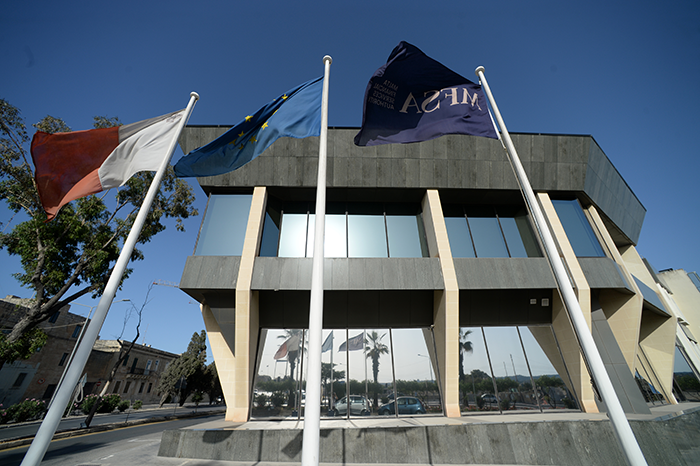
Malta sets up group to make share trades settle faster by 2027
The move aligns Malta with a broader EU-wide initiative to shorten settlement times
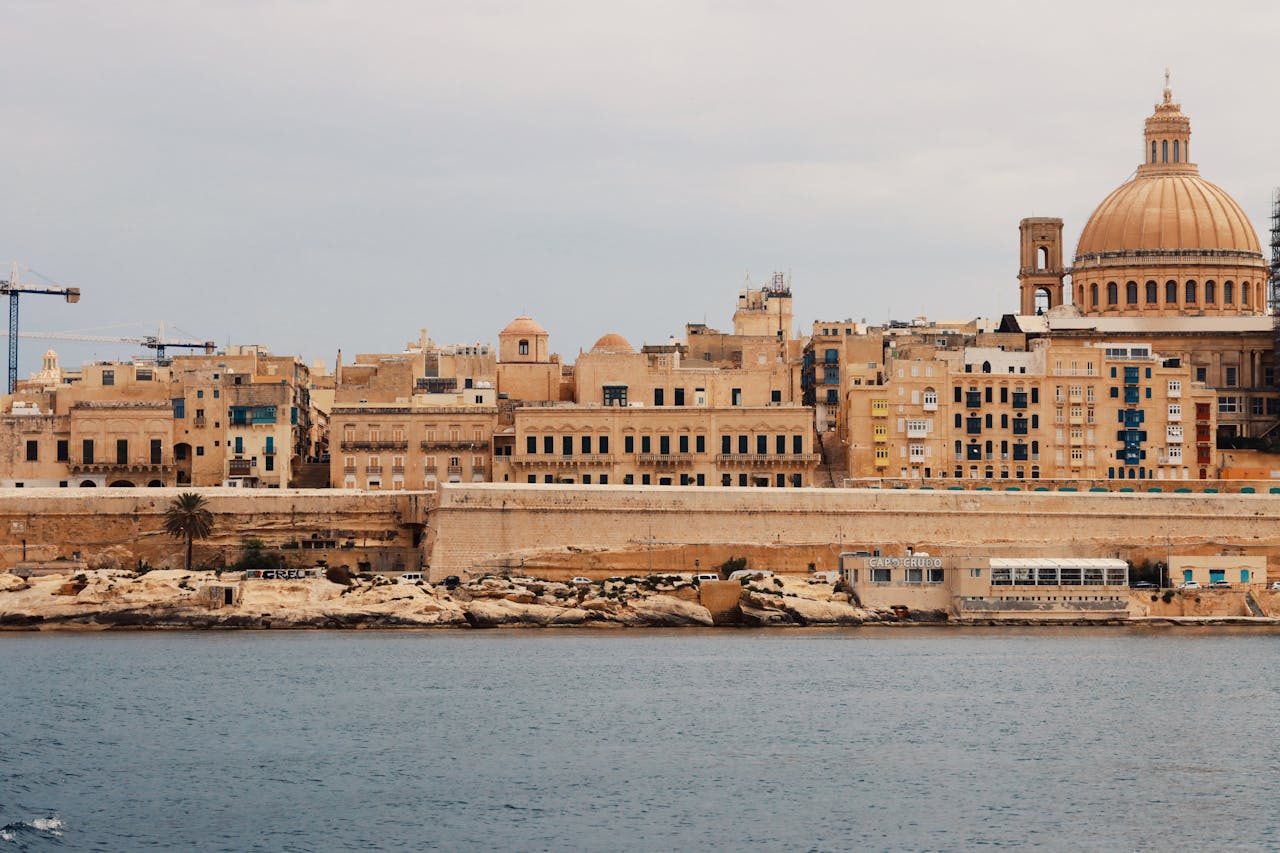
Is Malta emerging as a preferred hub for EMI licensing as Lithuania tightens oversight?
People are highlighting Malta’s positioning as an alternative jurisdiction to Lithuania when it comes to EMI licensing