



Digital financial literacy took centre stage at the JA Malta Financial Capability Conference, where experts from leading financial institutions and public bodies highlighted the need for a coordinated, lifelong approach to education in an increasingly digital world.
The first panel, titled ‘Digital Financial Literacy Inclusion’, featured Adelina Nechita from the MFSA, Ludwig Mallia, Head of Agile and Value Streams Delivery at Bank of Valletta, Elina Konstantinidou from Mastercard, Ronald Psaila, Head of Development and Innovation at APS Bank, and Glenn Bugeja, Head of Corporate Sustainability at HSBC Malta.
‘Building with the customer, for the customer’
Panellists agreed that while digitalisation has made finance more accessible, it has also introduced new risks and inequalities.
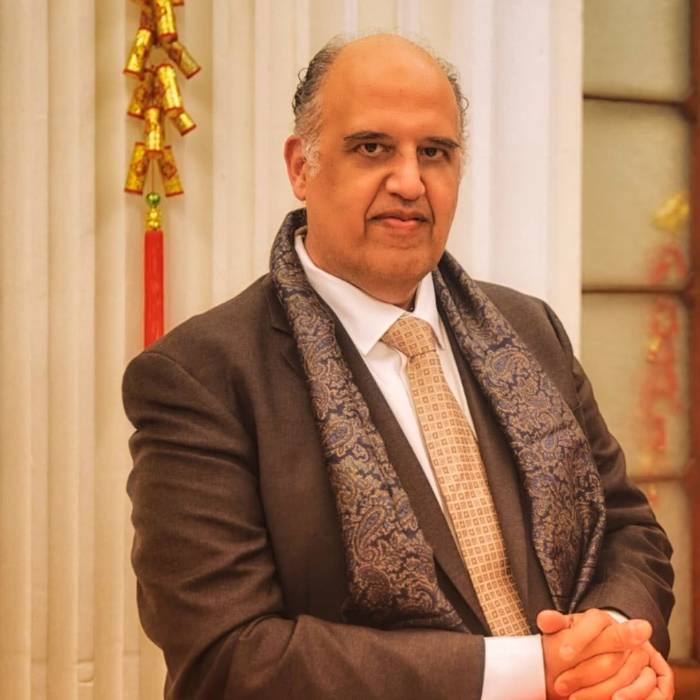
HSBC’s Glenn Bugeja noted that the bank has been “working on quite a number of financial literacy initiatives”, often involving staff directly in educational outreach. He also highlighted the King’s Trust Programme, which HSBC introduced in Malta to help young people develop essential financial and employment skills.
BOV’s Ludwig Mallia underlined that financial education is not an age-specific issue. “Yes, elderly people might feel less included in the digital age, but that doesn’t mean they’re the only group we have to target,” he said, noting that the bank allocates “a good chunk” of its budget to public awareness campaigns on scams and online safety.
At APS Bank, Ronald Psaila explained that digital and financial literacy remain “at the heart of the bank’s mission,” echoing its origins as a community-focused institution. The bank integrates educational tools into its digital services – including Ava, a virtual assistant that helps users understand basic financial terms such as savings accounts. “Even if someone doesn’t know what a savings account is, they can go to Ava and get some basic information,” he said, adding that APS collaborates with NGOs to make its digital platforms more inclusive.
From a regulatory standpoint, the MFSA’s Adelina Nechita warned that online users must be vigilant in an environment “flooded with ads and cloned accounts”. She emphasised the need for people to “slow down, see what they’re looking at, and stop and think” before engaging with digital content. The Authority, she added, works closely with financial institutions to issue public warnings when fraudulent activity is detected.
Mr Mallia also highlighted the challenges of cybersecurity when launching new products: “The minute you launch something new, you start seeing attacks. It’s something we have to be prepared for.” He revealed that BOV has recently launched a User Experience Lab, inviting customers to test prototypes and provide feedback before products go live. “We try to build with the customer, for the customer,” he said.
From classrooms to crypto: Education must evolve
The second discussion, ‘The Future of Digital Finance – Opportunities and Challenges for Education’, focused on how early financial education and digital literacy can shape responsible behaviour in the next generation.
Panellists included Neil Attard from the Directorate of Digital Literacy, Melissa Chetcuti from the Centre of Excellence, Antonia Ciappara, and Bernard Montebello from the Malta Digital Innovation Authority (MDIA).
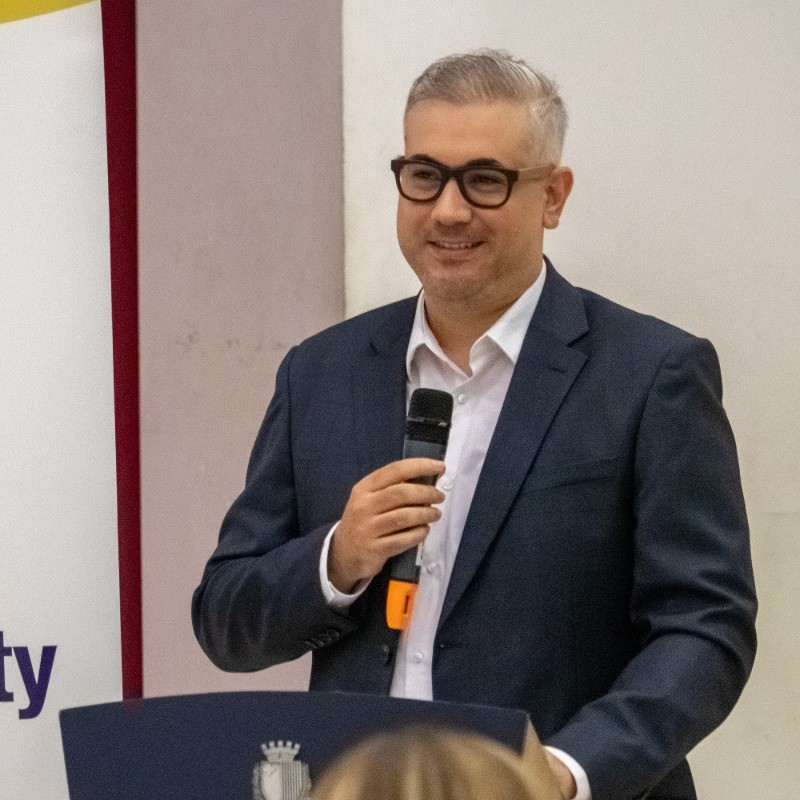
Neil Attard explained that his directorate supports educators directly, with staff who “go out to schools and teach teachers different tools” to help them integrate digital competence into their lessons. Malta, he added, is aligning with the EU’s DigComp 3.0 framework, which aims to standardise digital skills across all member states. “We guide teachers, parents, and students when it comes to ethics,” he said, noting that his team also works with platforms such as bSmart Online to raise awareness about scams.

For primary teacher Melissa Chetcuti, financial literacy should start as early as possible. “I ask children, ‘Are you too young to talk about money?’ and they say, ‘No, we’re not.’ So the interest is there – the only thing we can do is start small,” she said. She stressed that lessons must be interactive and relatable: “If they can see themselves in the lessons, you’ve got them.”
Antonia Ciappara shared that many young people feel confident about their understanding of topics like cryptocurrency or betting because they see them frequently on social media. However, she cautioned that “our knowledge is often limited,” and that schools should do more to help students recognise the real-world consequences of their financial decisions.
From the innovation side, MDIA’s Bernard Montebello said that while Malta has strong digital capabilities, “financial literacy is lagging behind.” He noted that his organisation’s Digital Innovation Hub helps startups and SMEs grow, yet many founders lack the financial knowledge to complement their technical expertise. “Even if you ask yourselves – how many of you learned how to file taxes at school?” he asked, underscoring the gap in practical education.
Both panels underscored that digital financial literacy cannot be left to schools, banks, or regulators alone – it requires collaboration across sectors and generations.
As Malta continues to digitise its financial ecosystem, the challenge lies in ensuring that no one is left behind – whether it’s a child learning about money for the first time or an adult navigating an increasingly complex online financial world.
For additional information about the panellists, click here.


Tourist spending hits €1.21 billion in Malta in second quarter of 2026
The average length of stay per tourist dropped from six nights in 2025 to 5.5 nights this year

Revolut won’t disclose number of data breach victims in Malta, but there is at least one
Hackers obtained files by compromising an Italian government email system

Alkagesta hosts Malta U16 women’s basketball champions at Malta office
The Maltese team won with a score of 76-51