


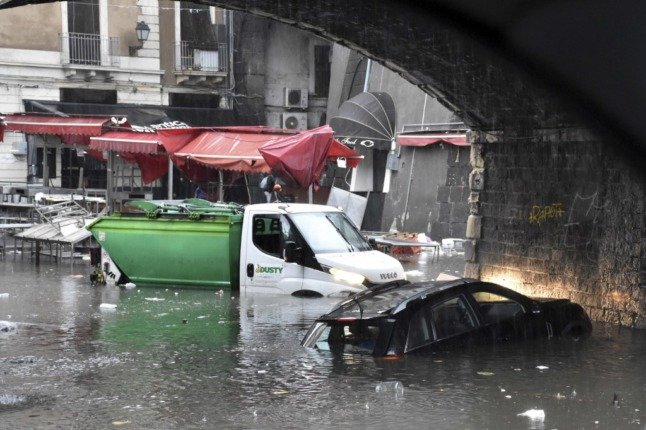
The Malta Financial Services Authority (MFSA) has reminded local banks that they need to incorporate climate change risks into their plans.
Climate change will expose banks to physical and transition risks that will need to be properly assessed and incorporated into their business plans, risk quantification and governance, according to David Eacott, the MFSA's head of banking supervision.
Mr Eacott noted the dramatic statements emerging from the 26th UN Climate Change Conference of the Parties (COP26), saying that despite increasing awareness of the need for changes to be made to avoid catastrophe, there was still much to be done.
Mr Eacott is scheduled to give a speech during a conference next week, during which he will emphasise that banks should take COP26 conclusions onboard now, as catching up later will be more painful, costly and disruptive.
While banks need to make appropriate lending and investment decisions, he continued, they should also help their customers to understand their own risk profile, as well as the opportunities that the transition to a green economy could bring.
The conference, the theme of which is 'The Role of Financial Institutions in Achieving a Sustainable Future’, is being organised by the Institute of Financial Services (ifs) on 16th November 2021 at the Westin Dragonara.
Featured Image:
Palermo in Sicily recently experienced the worst flooding since the 18th century / The Local Italy

The financial engine behind international trade
BOV recognised as Malta's Best Trade Finance Bank 2026. Joseph Rodgers explains how the Bank helps businesses trade with confidence

Global wealth management firm Apollo in Malta to talk about private wealth
The global wealth management company has $1 trillion AUM and recently joined as a member of PEVCA Malta
BOV strengthens business banking through integration and client focus
BOV Chief Commercial Officer Simon Grech explains how consolidating operations at The Quad has strengthened the bank’s offering to businesses