



“The financial sector is instrumental in supporting the economy during these difficult times,” says Bank of Valletta CEO, Rick Hunkin, when speaking about the Bank’s support during COVID-19.
COVID-19 has already had a huge impact on the global economy and this will surely affect profitability levels come 2021, he asserts. Nevertheless, from the onset of the pandemic, Bank of Valletta showed full support to the business community and partnered with the Malta Development Bank whereby, through the COVID-19 Guarantee Scheme, the Bank had, up to October 2019, extended close to €252 million in loans to nearly 400 business customers. “COVID-19 has driven us into unexpected headwinds,” he admits, but this did not deter Bank of Valletta from delivering a clear strategic plan that ensures its long-term sustainability.
When asked about possible scenarios following the Moneyval assessment, Mr Hunkin warns that a negative outcome would have an adverse effect on Malta’s financial sector. “If such a situation materialises, Malta’s trust rating on an international level will suffer a blow which will inevitably cascade to banks and other operators in the sector.”
He adds that, if Malta’s reputation falls, there will be more scrutiny and possible refusals on payment transactions, particularly in USD. Aside from that, foreign financial services companies operating from Malta, or contemplating relocating here, may find themselves considering alternative jurisdictions.
With regards to Brexit, on the other hand, Mr Hunkin says that while it is still difficult to state the net effect it would have, the impact on Malta will ultimately depend on the outcome of the EU/UK negotiations and the kind of agreement reached with respect to the movement of goods. He foresees an increase in bureaucracy and costs for Maltese companies when trading with the UK, however, if there is any significant downward movement in the value of the Sterling Pound, Malta will gain from cheaper imports. On the other hand, inbound tourism from the UK will be negatively hit. Mr Hunkin believes that, overall, following Brexit, there’s opportunity for Malta to attract further investment, placing it on the map as a location for businesses seeking a European base.
Trying to mitigate the economic impact resulting from the pandemic, as well as dealing with other global uncertainties were not Bank of Valletta’s only challenges in 2020, having lost their last correspondent bank for USD transactions. Mr Hunkin assures that, whilst still in discussion with their correspondent bank to satisfy any concerns and restore their position, Bank of Valletta is also considering alternative routes and service providers in order to diversify the available channels for the payment of USD.
Aside from that, a big part of Bank of Valletta’s focus in 2021 and beyond will be to continue extending its digital services, particularly since, Mr Hunkin reveals, COVID-19 accelerated the shift from traditional to digital banking channels.


Malta’s inflation edges up to 2.7% in October as food and services lead price pressures
The October RPI reading indicates some re-acceleration in consumer-facing sectors after a period of summer stabilisation

db Group reports turnover of almost €100 million and record profit as it opens bond issue to public investors
This coincides with the launch of a €60 million bond programme to support the Group’s continued expansion
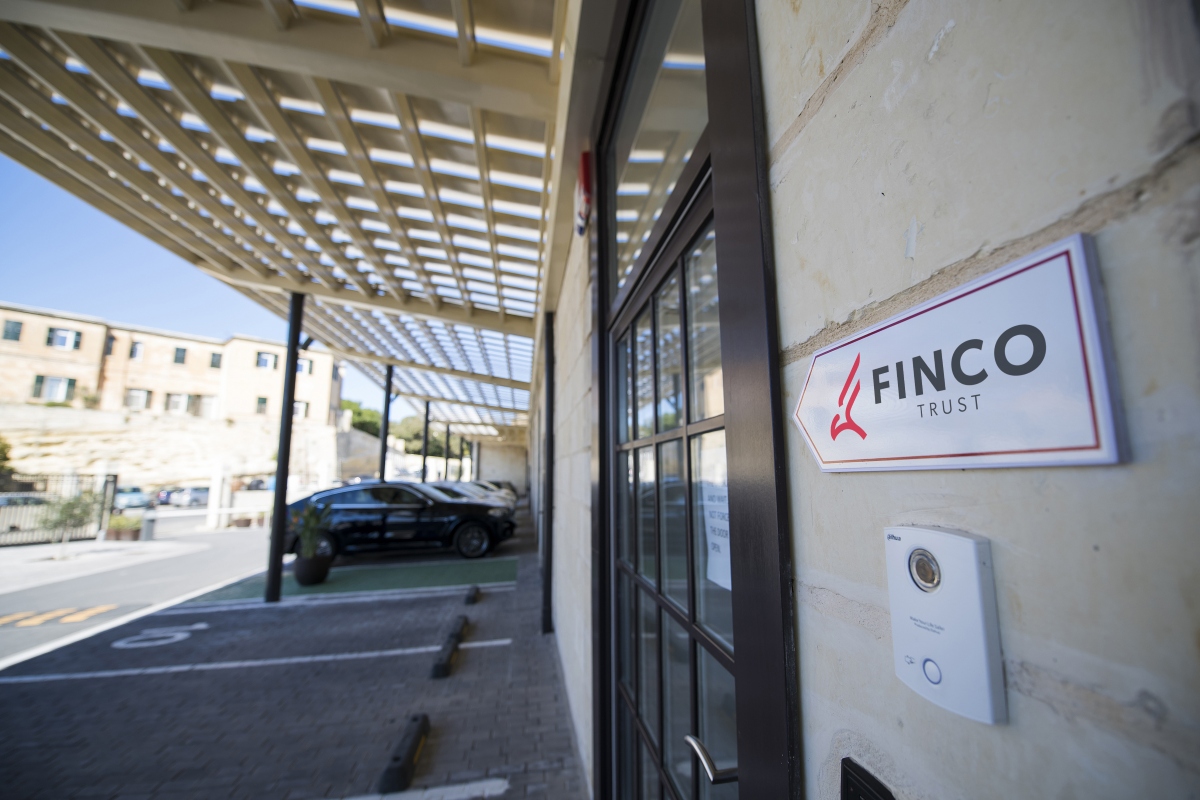
Celebrating success: stories from the team behind Finco Trust
The stories of Lee-Anne Abela, Kris Vella, and Maria Mamo reflect the values that continue to guide the firm forward