


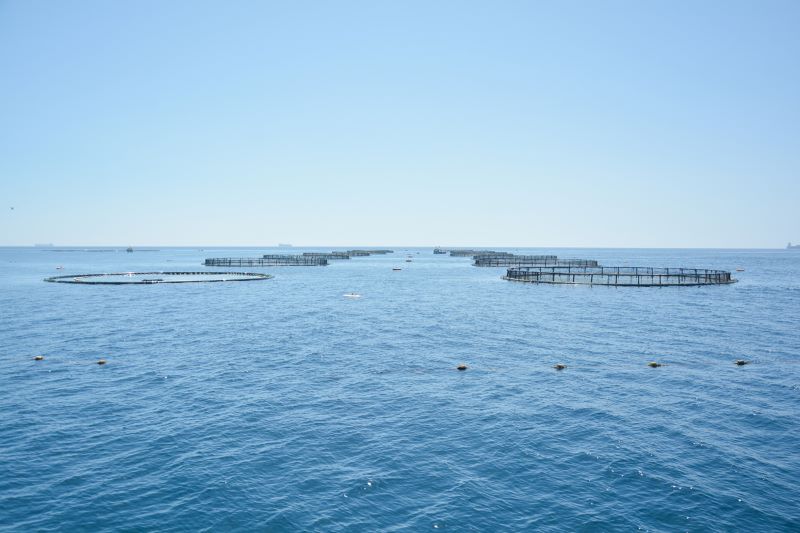
The fish farming sector generated total output of €224.9 million in 2021, an marked increase of 25.9 per cent over that generated the preceding year.
This remains below the peak of €239.2 million registered in 2018.
However, 2021 saw far lower spending on intermediate consumption, which essentially mirrors the principal operating expenses incurred by the seven operators in the sector. Such spending included the purchase of live tuna (2018: €108 million; 2021: €63 million), maintenance and repairs (2018: €4.6 million; 2021: €2.2 million), and purchase of fish feed (2018: €56.6 million; 2021: €48 million).
This resulted in the gross value added of the aquaculture sector reaching €77.6 million, a 76 per cent increase over 2020 (€44.1 million) and far higher than in 2018, when the €239.2 million in output was set off against a high spend on intermediate consumption of €231.4 million, which resulted in the sector’s gross value added being just €7.7 million.
The data emerges from the National Statistics Office’s latest release on the aquaculture and tuna farming industry.
The gross fixed capital consumption of the industry’s fixed assets rose by €0.8 million or 18.2 per cent to a total of €5.2 million; while the total expenditure disbursed on the compensation of employees edged upwards by €0.5 million or five per cent to €10.6 million.
Upon taking these costs into account, the industry is calculated to have registered a net operating surplus of €61.8 million
In terms of weight, the total sales of farmed fish fell by 3.4 million kilogrammes or 17.2 per cent when compared to 2020. This was mainly due to a decline in the volume of sales of farmed tuna amounting to 3.5 million kilogrammes or 20.7 per cent. The total sales value of farmed fish dropped by €5.2 million or 2.4 per cent to a figure of €210.2 million
As regards the expenditure costs sustained by the industry, it resulted that the outlays on the purchasing of live tuna and other fish increased significantly by €20.8 million or 47.9 per cent to a total of €64.3 million. Indeed, when compared to the 32.3 per cent registered in 2020, this expenditure item accounted for 43.6 per cent of the entire intermediate consumption incurred by the industry in 2021. On the contrary, the industry’s variable production costs, selling costs and overheads decreased by 8.8 per cent, 28 per cent and 2.1 per cent respectively
Featured Image:

‘Immense pride’: Gozo business lobbies welcome Victoria’s selection as European Capital of Culture
Victoria (Rabat) will hold the title of European Capital of Culture in 2031

Digital euro moves closer to reality as ECB launches first wholesale system
European policymakers are attempting to modernise the euro for an increasingly digital financial system

Number of part-timers also holding full-time jobs increases 12.5% year on year
In April 2026, administrative and information and communication contributed mostly to the increase in full-time employment