


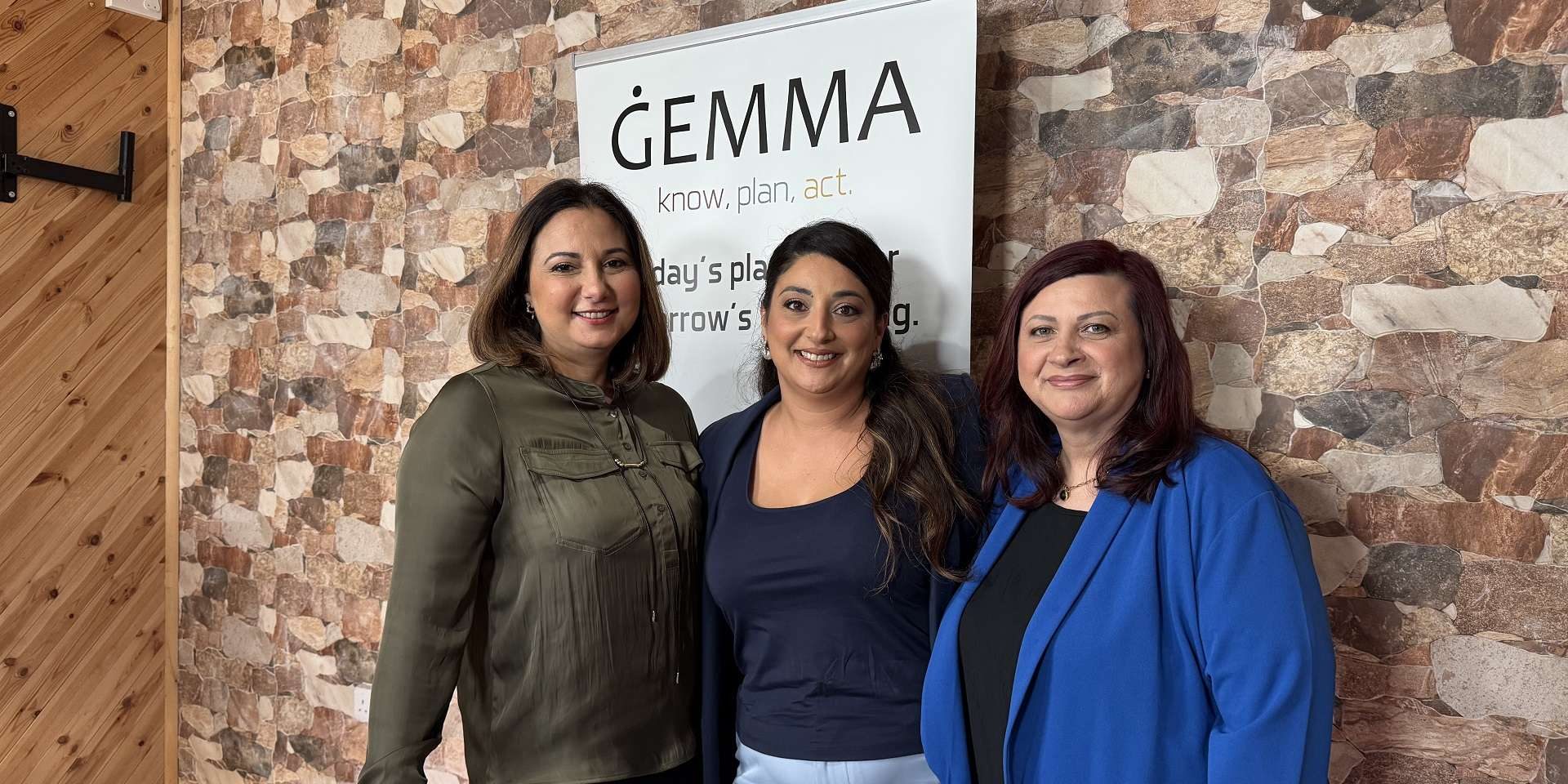
ĠEMMA has announced the launch of a brand-new podcast series aimed at bringing financial literacy closer to people’s everyday lives – no matter how busy their schedules may be.
Designed to be engaging, practical and easy to follow, the podcast series explores a wide range of financial topics. Each episode, ĠEMMA said, features guest speakers who bring different perspectives, experiences and expertise, helping keep discussions fresh, relatable and grounded in real-life situations.
ĠEMMA is a platform dedicated to education around retirement income and financial literacy. Through this podcast series, it aims to break down complex financial concepts into clear, accessible conversations that empower listeners to make more informed decisions about their money.
From everyday money habits to smarter financial planning, the discussions focus on building confidence with finances in a practical and approachable way. The goal is not just to inform, but to inspire listeners to take control of their financial wellbeing at every stage of life.
True to its listener-first approach, the podcast is designed to fit into daily routines. Whether tuning in while commuting, walking, cooking, cleaning or sitting in traffic, listeners can access episodes at a time that suits them best.
New episodes will be released every two weeks and will be available across multiple platforms, including Facebook, Spotify and YouTube.
Image credit: ĠEMMA


How Mediterrania Capital Partners is bridging private equity and public markets to unlock Africa’s potential
ASEF is reshaping how institutional investors think about Africa’s public markets: a growth engine and a diversifier in global portfolios
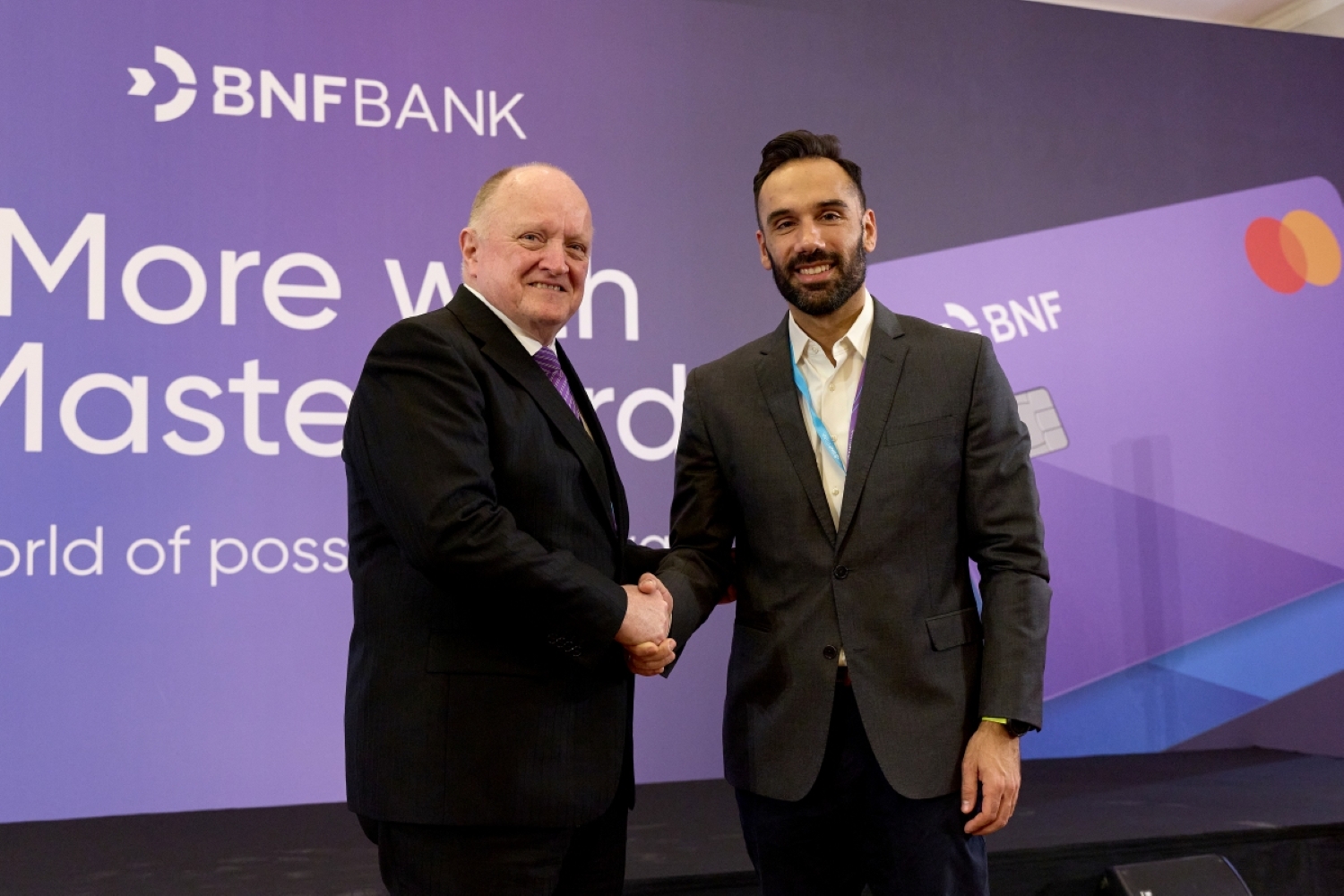
BNF Bank and Mastercard partner to bring added value to Maltese customers
Collaboration enhances everyday banking through exclusive experiences, rewards, and innovative payment solutions

Malta introduces new 15% tax regime for highly skilled professionals
Qualifying individuals are taxed at a flat 15% rate for an initial five-year period