


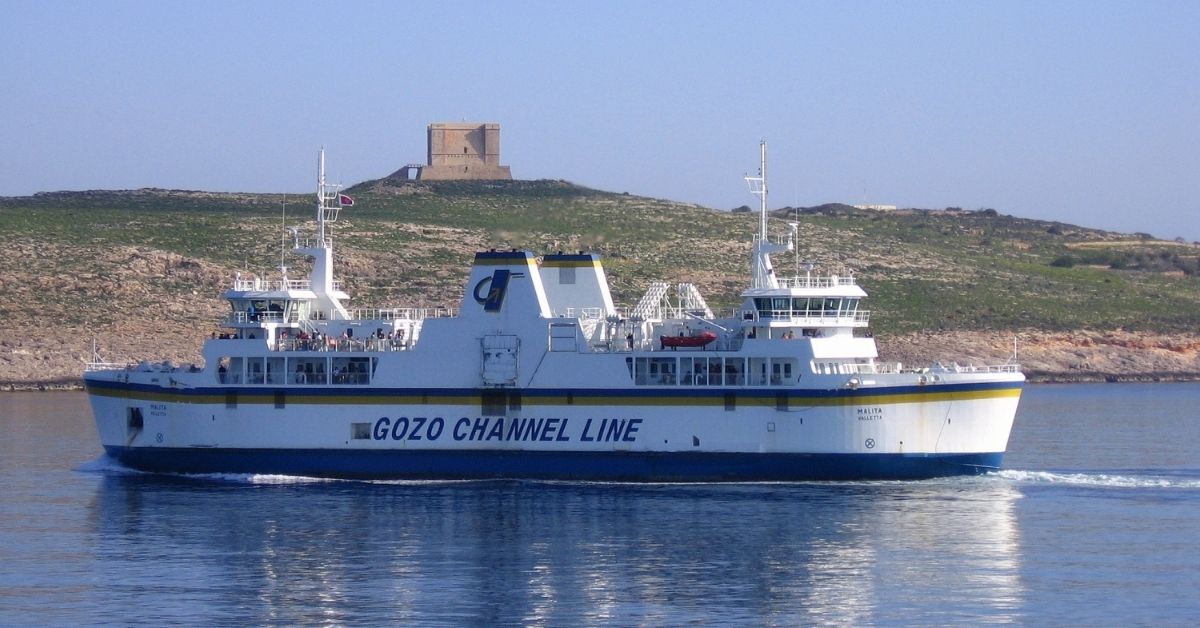
Business organisations have welcomed plans to expand the Gozo Channel fleet to five vessels, including a dedicated cargo ferry, arguing that the move could significantly reduce traffic congestion and waiting times at Ċirkewwa while delivering immediate efficiency gains for Gozitan companies.
Both the Gozo Business Chamber (GBC) and the Malta Chamber of SMEs told BusinessNow.mt that the introduction of a cargo-only service would streamline commercial transport between Malta and Gozo, easing pressure on the main passenger routes and improving logistics for businesses operating across both islands.
The SME Chamber said it “welcomes the announced fleet expansion of the Gozo Channel, especially to sustain the growing demand for connectivity,” adding that it particularly supports the addition of a dedicated cargo vessel.
“For years the SME Chamber advocated for a dedicated cargo service operating from areas like Valletta, Marsa, or nearby locations offering regular daily trips,” it said, arguing that such a service would improve transport efficiency, reduce road congestion and better cater for cargo movement between Malta and Gozo.
The Gozo Business Chamber said a direct cargo service linking Gozo with the Malta Freeport would translate into efficiency gains “immediately” once introduced.
They explained that Gozitan companies would no longer need to travel from the Freeport or the south of Malta to Ċirkewwa, where much of the current congestion is concentrated. This would reduce both travelling and waiting times, an important consideration for firms whose activity is largely based on the main island.
“Travelling costs, which should factor in also the wages of employees, is a significant cost component for Gozitan companies,” the GBC said, adding that a cargo-only route would represent “an important leap forward” from a business logistics perspective.
While welcoming the investment, they acknowledged that some short-term disruption could occur during the retrofitting of existing vessels and the introduction of new ferries.
“Short term disruptions are to be expected,” they said, noting that similar issues arise whenever a ship undergoes annual maintenance. However, he stressed that with a coordinated logistical plan agreed between all stakeholders, such disruption could be minimised.
“This is a much needed investment given the increased number of passengers and vehicles travelling between the two islands,” the GBC said, adding that any temporary inconvenience would be a necessary cost to achieve long-term improvements in connectivity and resilience.
The announcement has also renewed calls for parallel investment in port and road infrastructure. The Gozo Tourism Association (GTA) said the fleet expansion was particularly significant following the high demand for channel crossings experienced at the start of the year, but warned that vessels alone would not be enough.
It said the plan must be coupled with infrastructure upgrades, including berths capable of accommodating five ferries at both Mġarr Harbour and Ċirkewwa, as well as improvements to the road network leading to and from Mġarr to handle higher traffic flows.
The GBC echoed these concerns, pointing out that the current port infrastructure at Mġarr is not sufficient to berth all five vessels. They said investments in port facilities must be implemented concurrently with the fleet expansion, welcoming the planned task force focusing on accessibility at Mġarr Harbour as “essential” to ensure the ferry investment delivers maximum impact.
Under the current plan, two new passenger ferries will be added to the Gozo Channel fleet by 2029: A larger vessel capable of carrying up to 250 vehicles and a smaller ferry with a capacity of 75 vehicles. These will join the Ta’ Pinu and Malita vessels, which are set to be retrofitted.
The Gaudos, meanwhile, will be repurposed to transport cargo between the Malta Freeport and Ras il-Ħanżir and Mġarr, forming the backbone of the new dedicated cargo service.
Business groups said the combined measures could provide greater certainty for both the local community and the business sector in the years ahead – provided infrastructure investment keeps pace with the expanded fleet.
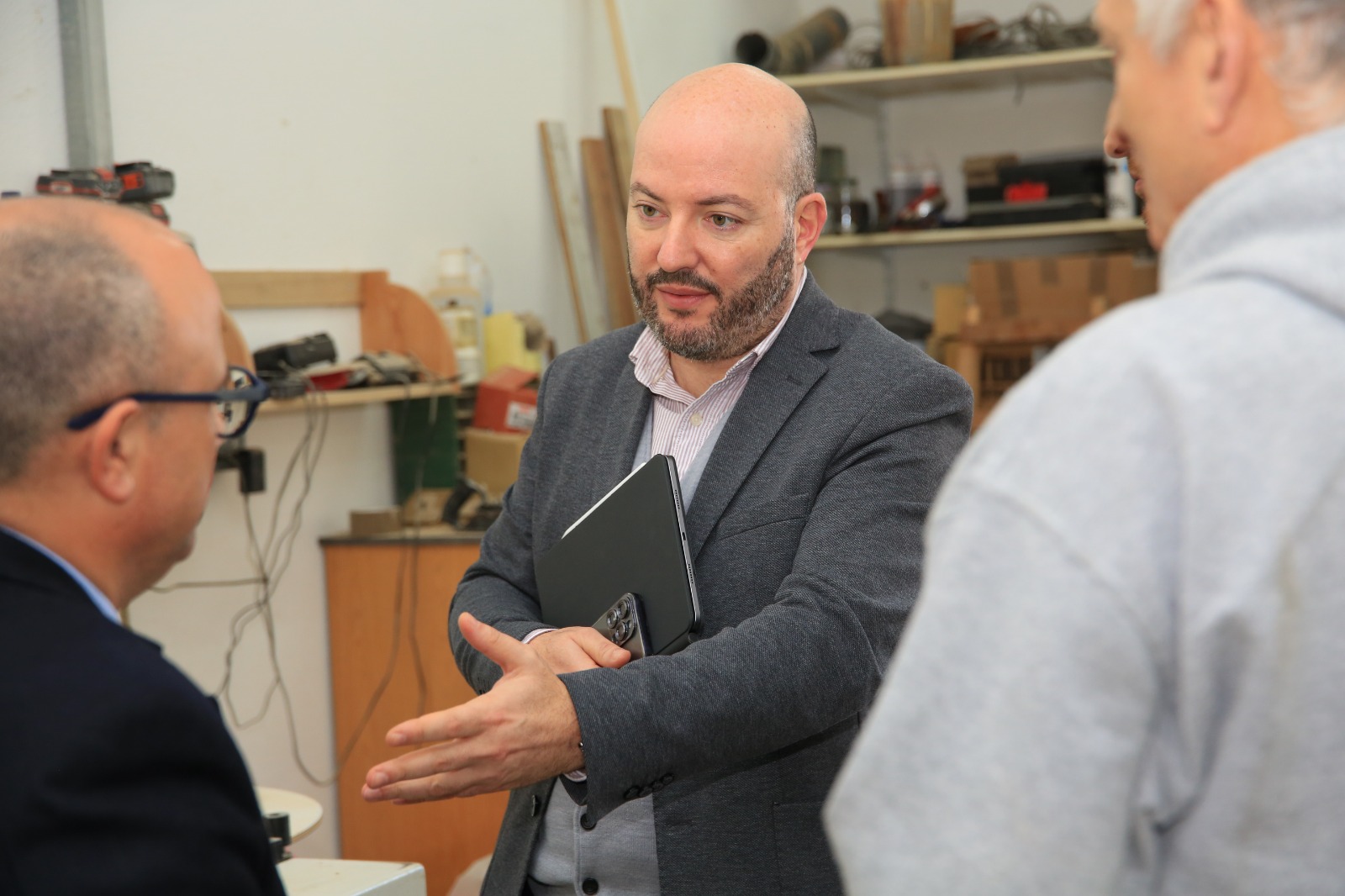
‘We realise the importance of Gozo as part of our economy’ – FBO Regulator
Joseph Gerada on the Gozitan microclimate, the urgency of succession planning, and the importance of corporate governance
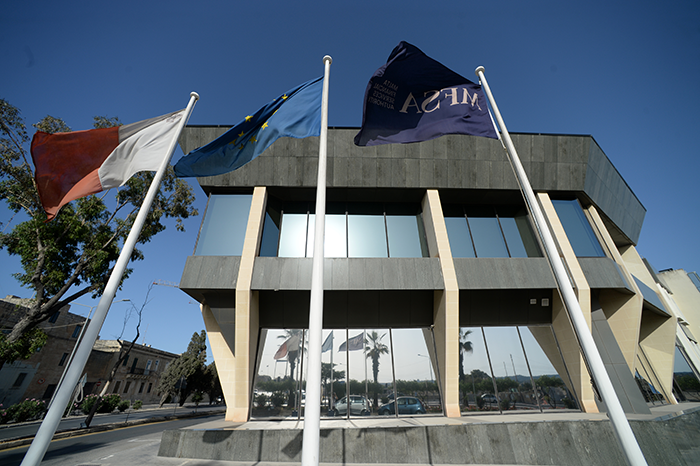
Malta sets up group to make share trades settle faster by 2027
The move aligns Malta with a broader EU-wide initiative to shorten settlement times
Is Malta emerging as a preferred hub for EMI licensing as Lithuania tightens oversight?
People are highlighting Malta’s positioning as an alternative jurisdiction to Lithuania when it comes to EMI licensing