



Business confidence in Gozo has reached its strongest level since the launch of the Gozo Business Sentiment (GBS) Survey, according to the latest results published jointly by the Gozo Regional Development Authority and the Gozo Business Chamber.
Now in its fourth edition, Gozo Business Sentiment (GBS) Survey captures the views of businesses as of September 2025, offering a timely snapshot of economic conditions on the island.
Conducted every six months, the GBS has become an important barometer of business activity, expectations, and emerging challenges, complementing official economic indicators that are often released with a delay.
Momentum builds across key sectors
The latest findings show that businesses in Gozo are not only holding their ground but increasingly reporting improved conditions. Between March and September 2025, 38 per cent of firms said their business activity had improved, up from 30 per cent in the previous survey period. The net balance of firms reporting better conditions rose sharply to 30 per cent, the highest level recorded since the survey began.
The secondary sector, which includes manufacturing and construction, continues to be a key driver of this momentum, registering a strong net positive balance of 41 per cent. Meanwhile, the services sector also recorded a solid net positive balance of 32 per cent, underpinned by particularly strong sentiment in accommodation and food services, as well as education and health activities.
Positive conditions were also reported across professional and scientific services, administrative and support activities, and financial, insurance, and real estate services, pointing to broad-based strength rather than growth concentrated in a single area.
Looking ahead, however, expectations remain largely stable. Nearly two-thirds of firms expect business conditions to remain steady over the next six months, with the secondary sector once again recording the strongest outlook.
Challenges persist beneath the optimism
Despite the encouraging headline figures, businesses continue to face persistent challenges. Once again, the shortage of suitable employees emerged as the most pressing concern, especially among firms operating in education and health, tourism-related activities, and information and communication services.
Cost pressures have also edged higher compared to the previous survey, with 40 per cent of businesses citing them as a challenge. While cost concerns remain below the peaks seen in earlier years, they continue to weigh on decision-making, particularly in an environment where margins remain tight.
Another area of concern is slowing sales, with the issue becoming more pronounced compared to March 2025. Businesses in the wholesale and retail sector were the most affected, highlighting uneven demand across different parts of the economy.
Prices, jobs and investment
Price pressures are expected to persist in the near term. More than two-thirds of businesses anticipate increases in input costs over the coming six months, while 32 per cent expect to raise their selling prices.
Although these figures suggest some easing compared to earlier stages of the survey, inflationary pressures remain a key consideration for businesses.
The labour market, meanwhile, continues to show resilience. Over the past six months, 34 per cent of firms expanded their workforce, and half of all businesses plan to recruit additional employees in the period ahead. Hiring intentions are especially strong in the manufacturing sector, where nearly nine out of ten firms expect to take on new staff.
Confidence is also translating into investment. A record 63 per cent of businesses plan to invest over the next six months, the highest proportion since the survey was first launched in 2023, signalling faith in Gozo’s medium-term economic prospects.
A spotlight on workforce diversity
This latest edition of the GBS also placed a special focus on workforce diversity and inclusion, reflecting the evolving structure of Gozo’s labour market. Nearly 65 per cent of surveyed businesses employ at least one non-local worker, with larger firms more likely to rely on a predominantly non-local workforce.
Many workplaces are becoming increasingly diverse, with businesses reporting multiple nationalities within their teams. Encouragingly, the majority of employers already have policies or practices in place to support diversity, such as equal opportunity frameworks and integration measures, while others are actively considering their introduction.
However, diversity also brings challenges. Language barriers, cultural differences, and employee retention were the most commonly cited constraints. Businesses highlighted training programmes as the most valuable form of support, alongside clearer guidance on legal and administrative processes.
For many employers, the benefits of a diverse workforce are clear. Chief among them is the ability to fill labour shortages, but businesses also value access to skills not readily available locally and the increased flexibility that a broader talent pool can provide.
A confident but cautious outlook
Overall, the September 2025 GBS survey paints a picture of a Gozitan economy that is confident, expanding, and increasingly diverse, while still grappling with structural challenges such as labour availability and cost pressures. By maintaining a regular dialogue with businesses, the survey continues to offer valuable insights for policymakers, employers, and the wider community as Gozo charts its economic future.

Cyber Resilience Summit highlights urgency of strengthening Malta’s digital defences
How can organisations can better prepare for and respond to cyber incidents?
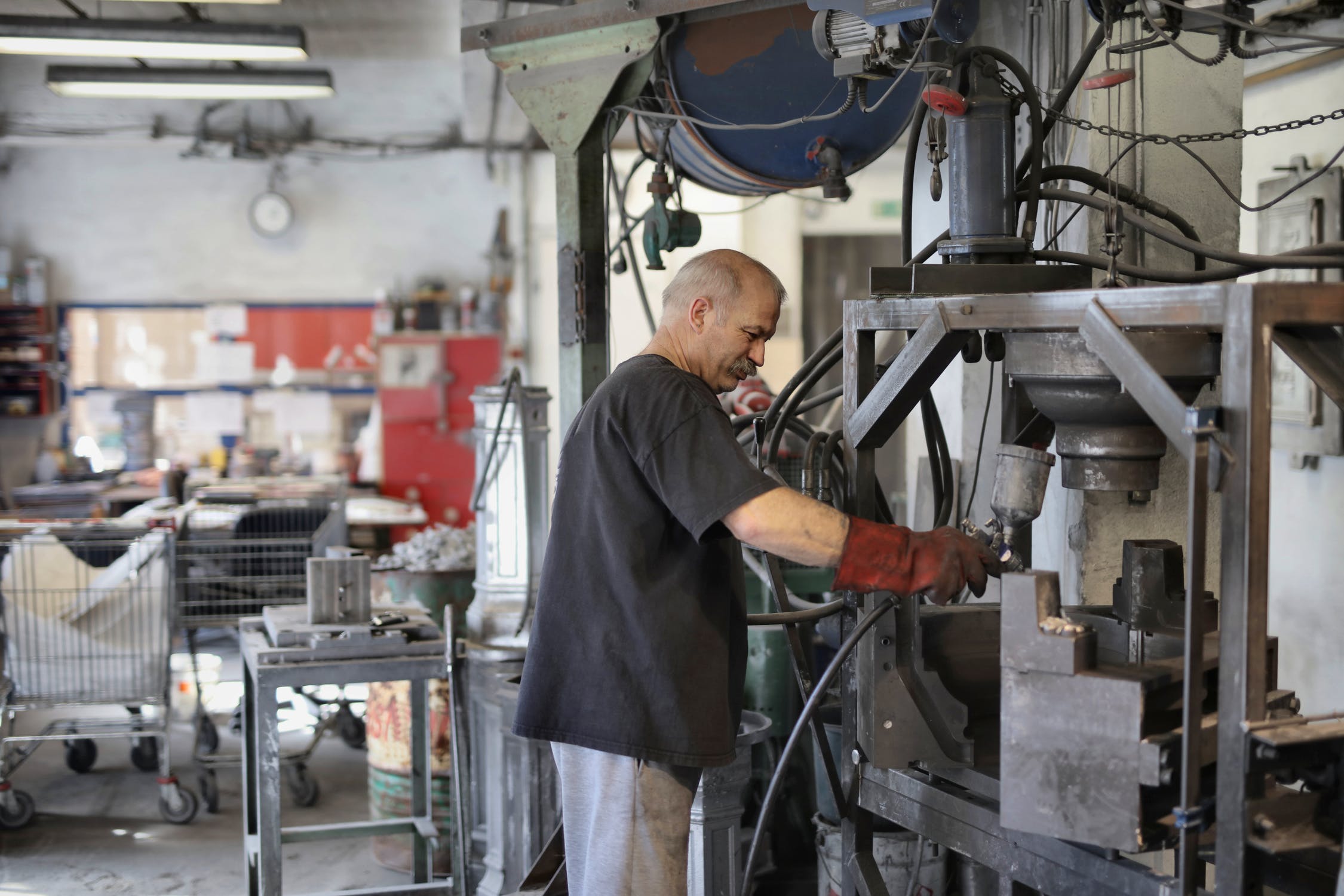
Malta workforce doubles in 14 years
There were 330,000 persons in employment at the end of 2025, double the 165,000 workers registered in 2011

Commission unveils ‘EU Inc.’ proposal to simplify cross-border business in Europe
The new proposal aims to make it easier to start, operate, and scale a company in the EU