

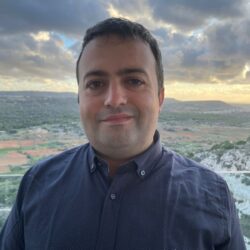
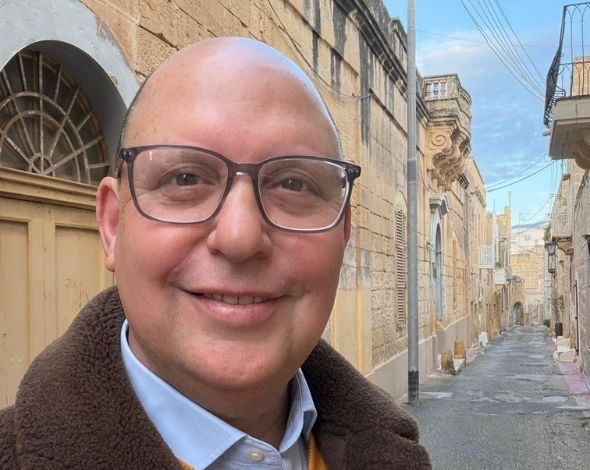
Labour MP Ray Abela urged Malta to accelerate its transition to AI and automation as part of a broader transformation of the country’s economic structure.
Dr Abela spoke out in reaction to Switzerland’s upcoming referendum to limit the country’s population to 10 million.
He said that while he disagrees with a population cap, Malta urgently needs to have a serious discussion on what sort of growth it wants to pursue.
“We’re already one of Europe’s most densely populated countries. We feel it every day—traffic, housing pressure, strained public services,” he warned.
“The discussion shouldn’t be framed around limiting people but around elevating productivity, raising skill levels and strengthening our national capacity.”
“For years, Malta’s growth model has been simple: more people equals more output. That brought economic momentum, but it exposed serious structural weaknesses.”
Dr Abela said that if Malta truly wants to reduce dependency on “low-value” foreign labour, it needs to invest decisively in quality human capital.
“That means accelerating our transition to AI, automation, robotics, advanced manufacturing, cybersecurity, med-tech, and high-value digital sectors,” he said.
“A smaller, highly skilled workforce with the right tech tools can outperform a massive low-productivity one.”
Dr Abela is the founder of TCTC, a training centre which has offered digital education courses for over three decades.
He urged Malta to seriously revamp its digital education, including embedding AI skills from primary school onwards and introducing industry apprenticeships alongside flexible up-skilling pathways for workers.
And he said the country should attract high-profile investment in niche, high-yield areas—fintech, esports, film production, medtech research, and AI development.
“Growth can’t keep meaning “more people.” It has to mean higher productivity, smarter systems, stronger infrastructure, better knowledge,” he said.
“Malta’s future won’t be determined by how many people we host—but by how well we prepare our own people to lead in high-value sectors.”
Photo: Ray Abela/Facebook
Malta Maritime Forum warns EU ‘green’ law driving business to North Africa
Malta Maritime Forum warns southern EU ports risk becoming feeder hubs playing a secondary role to extra-EU ports
Hotel bedspace increases by 27% since 2022
The sector is steadily expanding its accommodation supply

General fear of travelling doesn’t justify free holiday cancellation, MCCAA warns
Malta Competition and Consumer Affairs Authority clarifies rights for travellers amidst concern over the Middle East war