


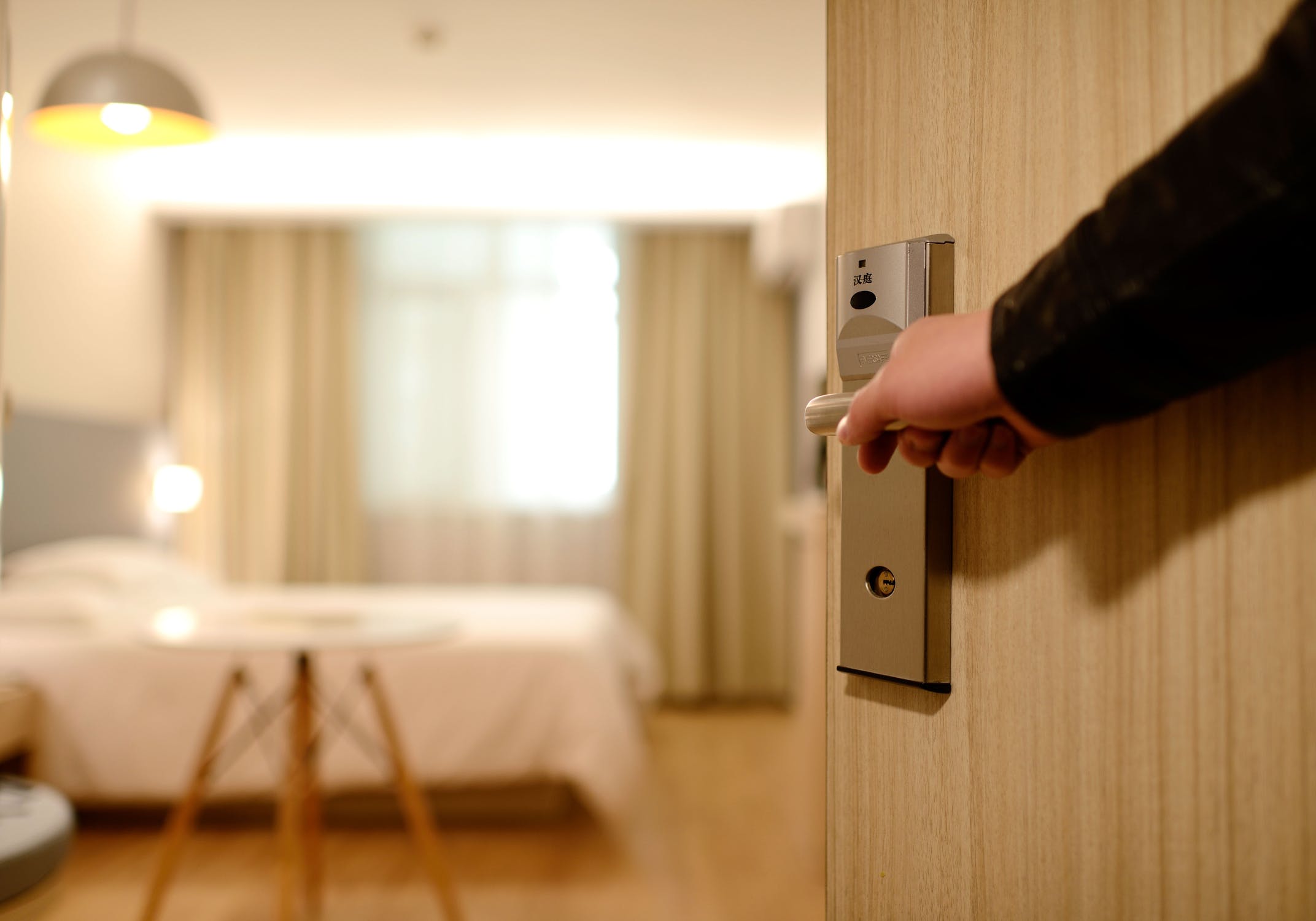
Malta’s tourism accommodation capacity has expanded significantly over the past years, with hotel bedspace increasing by roughly 27 per cent since 2022, according to the latest data released by the National Statistics Office (NSO).
Figures show that by December 2025, Malta had 347 active collective accommodation establishments, providing a net capacity of 23,343 bedrooms and 53,626 bed-places.
This marks a noticeable increase from 323 establishments and 49,575 bed-places in 2024.
Looking at a longer time horizon, the growth becomes even more pronounced. Malta recorded 42,093 bed-places in 2022, rising to 44,793 in 2023, 49,575 in 2024, and reaching 53,626 in 2025. This represents an increase of approximately 27 per cent in total bedspace since 2022.
The increase in accommodation capacity has been primarily driven by the four-star segment.
NSO data shows that four-star hotel bed-places increased from 17,241 in 2022 to 24,286 in 2025, representing a 40.9 per cent rise over the period.
Other segments also recorded growth, albeit at a slower pace. Three-star hotel bedspace increased from 10,603 to 12,968, a rise of 22.3 per cent, while five-star bedspace expanded from 7,753 to 8,495, reflecting a 9.5 per cent increase. The increase signals a positive shift towards higher-quality tourism, as conversations with stakeholders these past few months have echoed this sentiment.
Meanwhile, the number of hotel establishments grew from 153 in 2024 to 163 in 2025, while the broader category of collective accommodation establishments – which includes guesthouses, hostels and tourist villages – increased from 323 to 347.
The increase in accommodation capacity comes as tourism demand continues to grow.
During the fourth quarter of 2025, collective accommodation establishments recorded 716,536 guests and nearly 3 million nights spent.
Four-star hotels accounted for the largest share of guest nights, representing 49.7 per cent of the total, according to the NSO.
The average length of stay stood at 4.1 nights, slightly lower than the previous year, while the net use of bed-places reached 59.8 per cent, an increase of 0.9 percentage points when compared to the same quarter of 2024.
Regionally, Malta registered 679,219 guests in the fourth quarter, up 13.6 per cent year-on-year, while Gozo and Comino recorded a stronger increase of 30.5 per cent, albeit from a smaller base.
The data suggests that while tourism demand continues to grow, the sector is also steadily expanding its accommodation supply – particularly in the mid-range hotel segment – to support rising visitor numbers.

Malta Maritime Forum warns EU ‘green’ law driving business to North Africa
Malta Maritime Forum warns southern EU ports risk becoming feeder hubs playing a secondary role to extra-EU ports
General fear of travelling doesn’t justify free holiday cancellation, MCCAA warns
Malta Competition and Consumer Affairs Authority clarifies rights for travellers amidst concern over the Middle East war

Malta to host first Mediterranean forum on accessible hospitality
One panel will examine Malta’s potential role as a regional focal point for promoting accessibility in the hospitality sector