

With the number of farms in Malta dwindling and only seven per cent managed by young farmers, the island’s food security is at a crossroads. The European Commission has set an ambitious goal to double that figure — a move that speaks to a crisis felt not only in Malta, but across Europe.
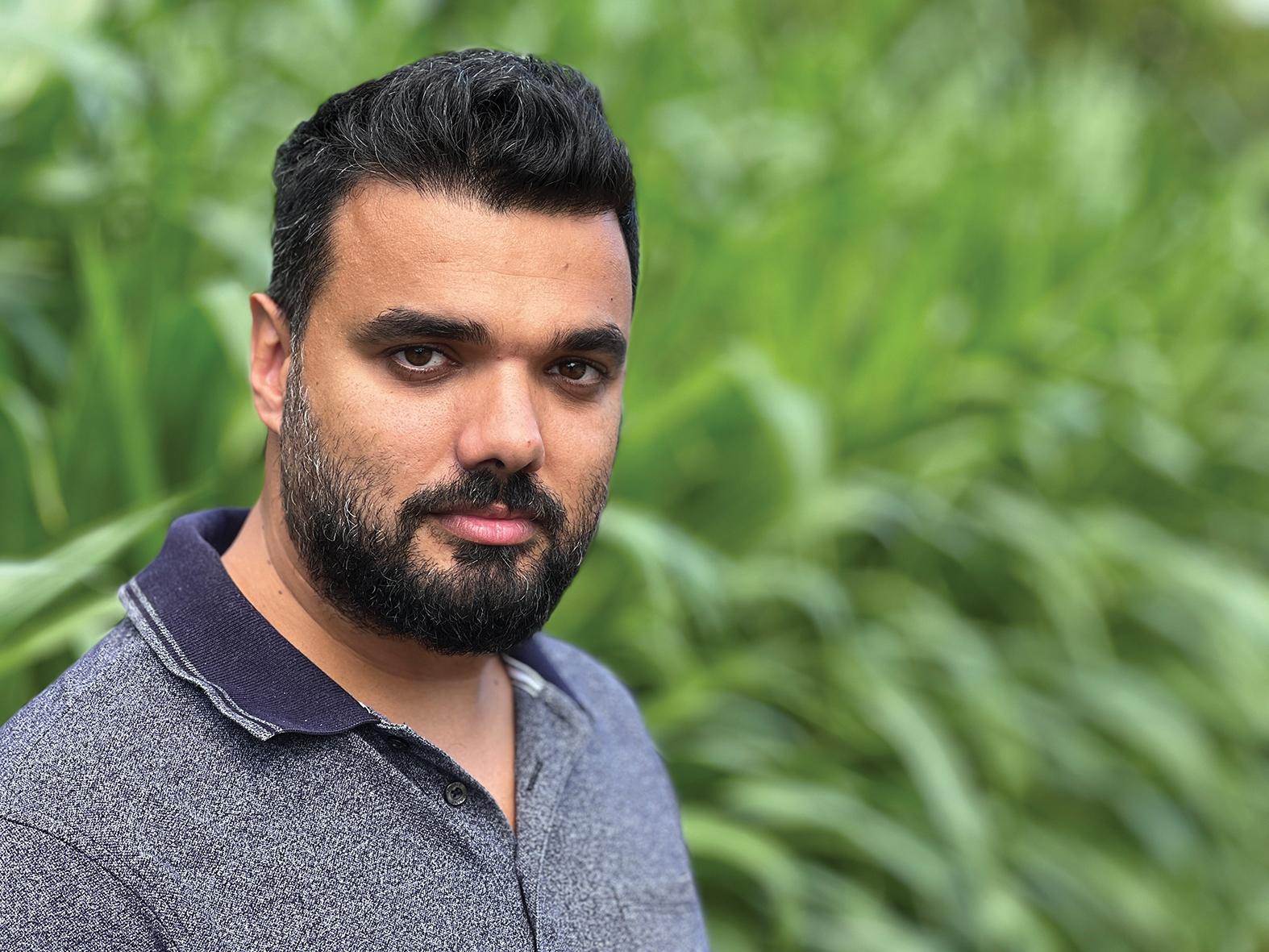
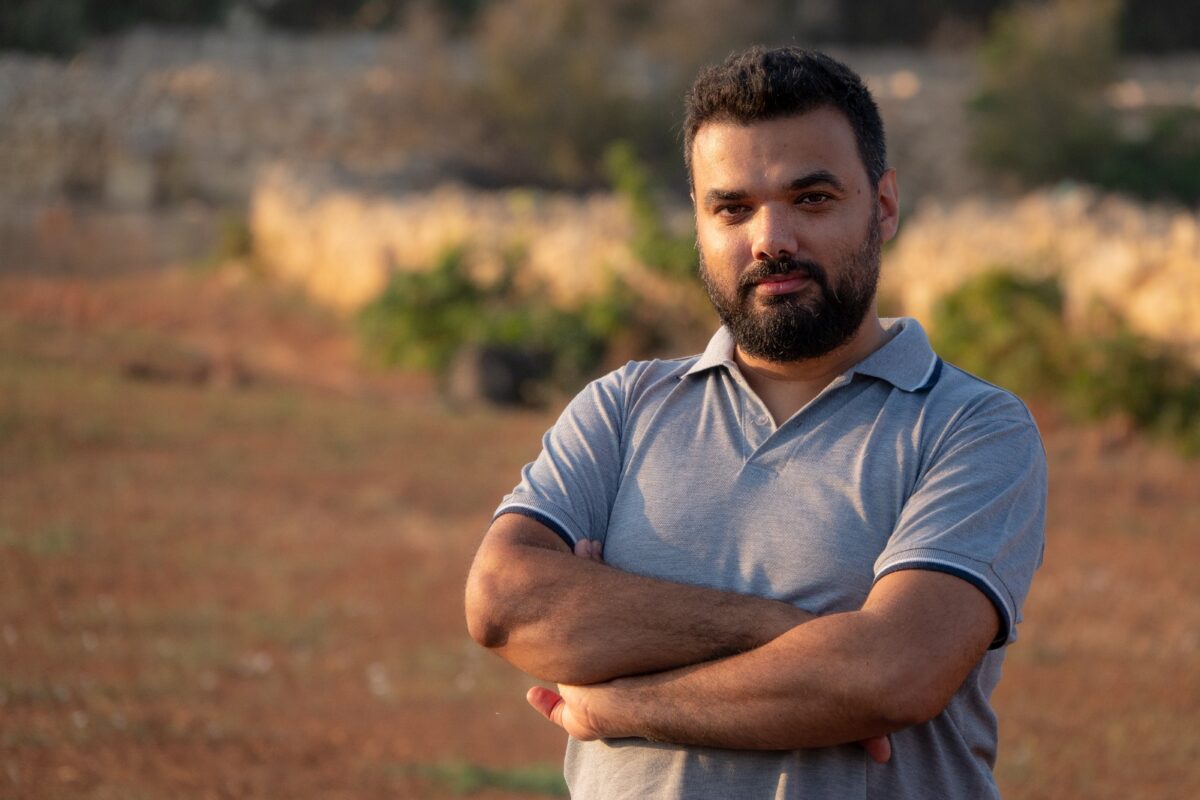
“Generation renewal is one of the biggest problems – not just in the EU, but in the world,” says Malcolm Borg of Għaqda Bdiewa Attivi, Malta’s farmers’ movement. For him, the issue is systemic, rooted in land access, economics, and even public perception.
Once, farming knowledge passed naturally from one generation to the next. Now, with the rise of commercial agriculture and broader career prospects, that chain is breaking. “We’re in a situation where we need more food – and more varied food – all year round,” Mr Borg explains. “Consumers demand it, and technology keeps evolving. A tractor can now drive itself. The irony is that we need fewer people in the field, but we don’t have enough anyway.”
The land lock
Malta’s most fertile challenge, Mr Borg argues, lies in land – or the lack of access to it.
“There are two paths,” he says. “Either we keep the sons and daughters of farmers in the sector – they already have land, tools, knowledge – or we attract new blood. But in Malta, that’s almost impossible.”

Buying agricultural land costs millions. Renting government property is tangled in bureaucracy. “The process is almost impossible,” he says. “And then there’s the misuse of government-leased land. If you’re sitting on land meant for farming and you’re not using it, the government should step in. The current management is a disaster.”
Budget measures have attempted to loosen the soil, but deeper issues persist. “The problem is salaries,” he admits. “If you can earn more in an easier job, why choose farming? It’s constant work – nights, weekends, feasts, holidays. It’s precarious. The sacrifice is huge.”
The noblest of acts
Still, beneath the frustration, Mr Borg’s conviction remains. “Farmers do it because there’s incredible satisfaction,” he says. “You grow something. You nurture it. You sell it to feed people. I don’t think there’s a nobler act than that.”
But conviction alone cannot sustain the fields. Mr Borg outlines three essentials: “First, an income guarantee – so a farmer knows he can provide for his family. Second, secure access to land and the tools to work it. And third, what I call good ‘brainwashing’: reminding people that every choice – what they buy, what they eat – shapes everything: price, taste, culture.”
Re-rooting Malta’s food culture
At the heart of the issue lies a cultural disconnect.
“Unlike our Mediterranean neighbours, we don’t valorise food from our own land,” Mr Borg reflects. “We were a British colony – and we inherited British cuisine. We lost that intimate link to our soil.”
Rebuilding that bond, he believes, could be transformative.
“If Maltese people felt connected to their land, the food would gain value. It would become more profitable, yes – but also healthier, more meaningful. That shift would ripple through everything. A real connection to the land could change absolutely everything.”
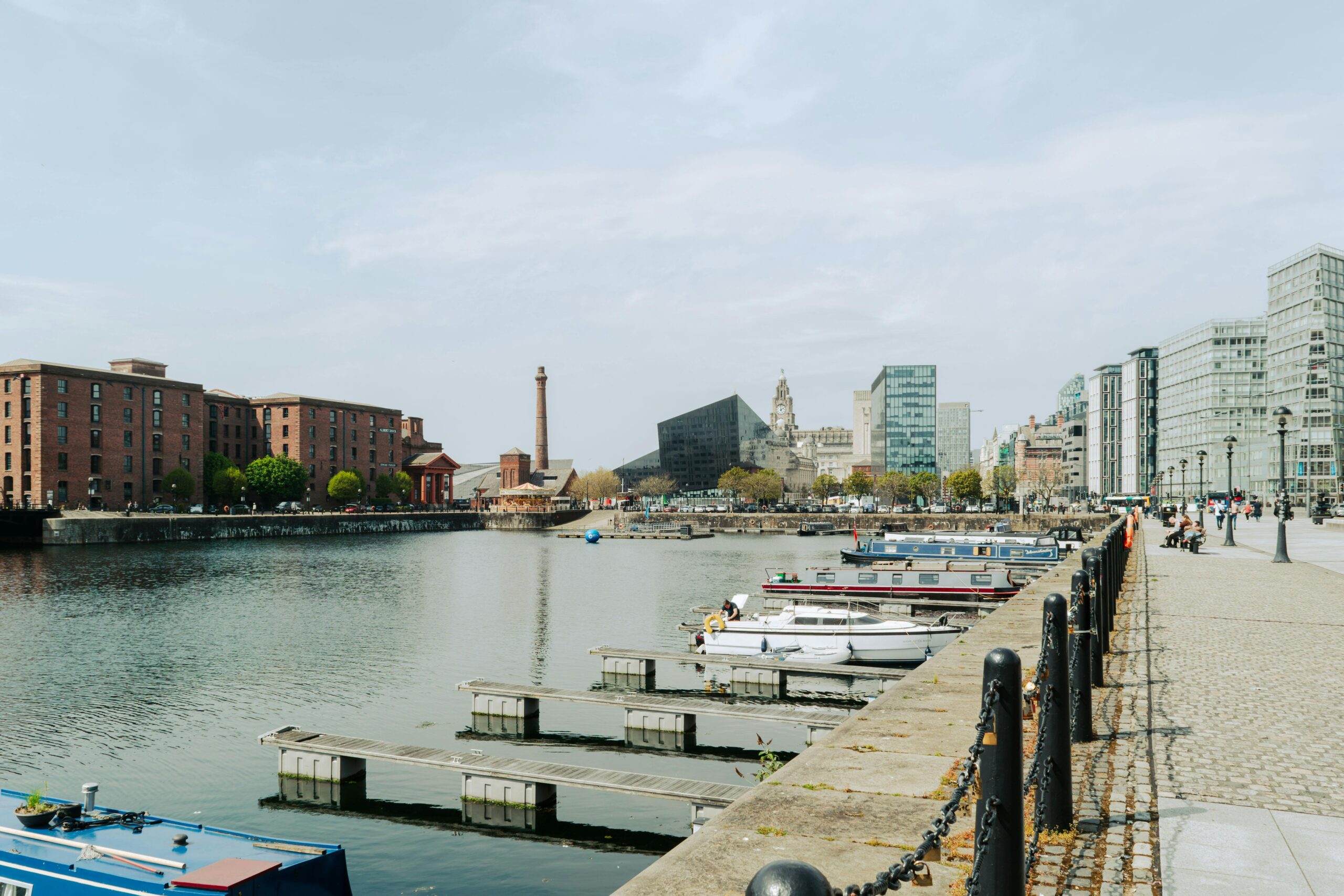
Call for trade mission for Malta-based businesses to Wales and Liverpool
Interested parties are invited to e-mail TradeMalta by not later than Tuesday 17th March
Malta sets birth rate growth targets after years of decline
Vision 2050 envisages gradually increasing birth rate from 1.01 to 1.3 by 2035
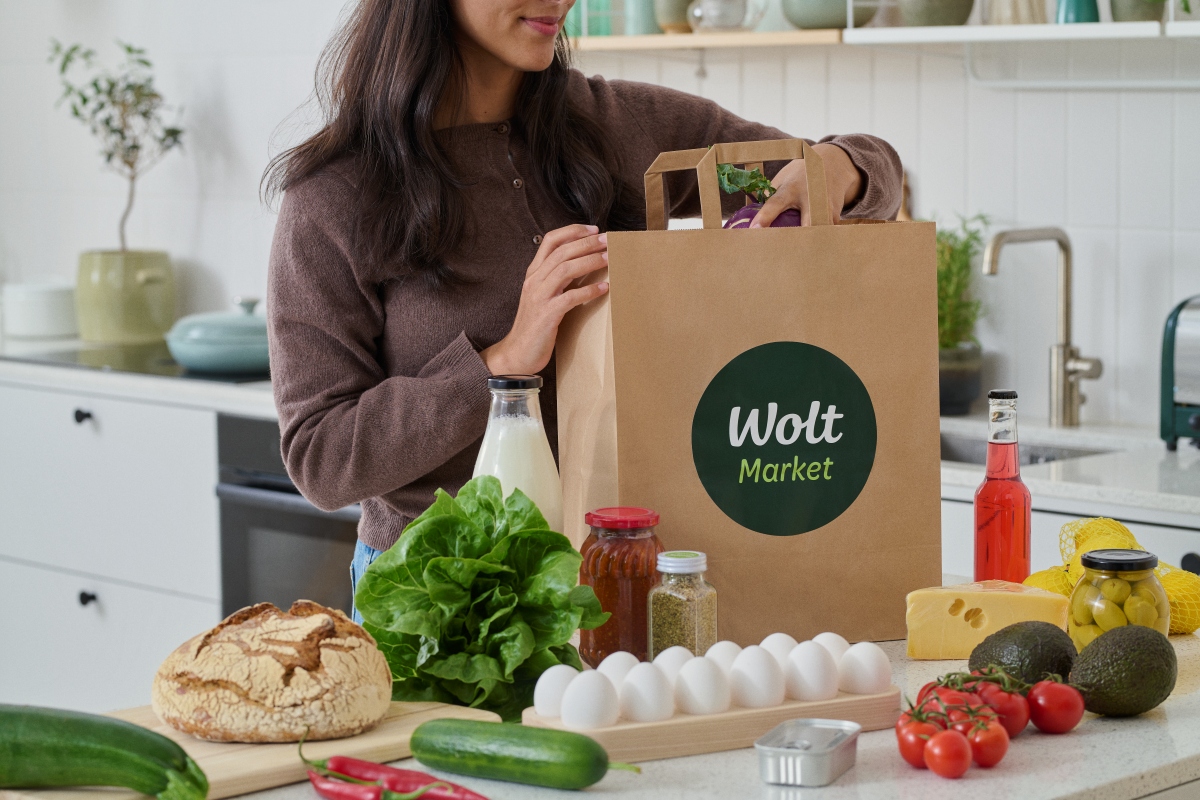
Wolt Market unveils refreshed identity in Malta
Expanded partnerships with Maltese producers, upgraded fresh food categories, all in vibrant green – Wolt Market marks a new milestone