



The International Monetary Fund has downgraded its economic growth forecast for the eurozone to 1.1 per cent for 2026, down from a previous estimate of 1.4 per cent, citing the ongoing conflict in Iran and its ripple effects across global markets.
In its latest World Economic Outlook, the IMF warned that the escalation in the Middle East has disrupted energy markets, dampened economic momentum and pushed inflation expectations higher, clouding the recovery prospects of major economies.
The downgrade comes as the blockade of the Strait of Hormuz and damage to key infrastructure in the region have contributed to a sharp rise in energy prices. The IMF assumes a 19 per cent increase in energy costs, a development that is expected to weigh heavily on the eurozone, given its dependence on imported energy.
Global inflation is now projected to reach 4.4 per cent, reflecting the broad-based impact of the crisis.
Pierre-Olivier Gourinchas, the IMF’s Chief Economist, noted that while the global economy had previously shown resilience in the face of protectionist trade measures, the current geopolitical shock has stalled that progress.
For Europe, the implications are particularly acute. The eurozone’s reliance on external energy supplies leaves it exposed to sustained price volatility, which is likely to constrain industrial output and economic activity.
Beyond the eurozone, the IMF has also revised down growth expectations for the United States, with the world’s largest economy now projected to expand by 2.3 per cent. While the impact of trade tariffs has been less severe than anticipated, the energy shock remains a dominant factor.
The IMF cautioned that risks remain firmly tilted to the downside. Despite a temporary ceasefire, continued volatility in energy markets could prolong inflationary pressures and force central banks to maintain higher interest rates for longer.
In a more severe scenario, the Fund warned that global growth could fall to as low as 2 per cent if disruptions persist into 2027, further straining economies already grappling with geopolitical uncertainty and rising costs.


Malta ranks towards the top in index measuring crypto regulation across 36 countries
Malta came in 6th in the rankings
Government cuts stamp duty on family business transfers to 1.5%
Legal notice was approved by Cabinet

Developers to fund compensation scheme for residents hit by construction damage
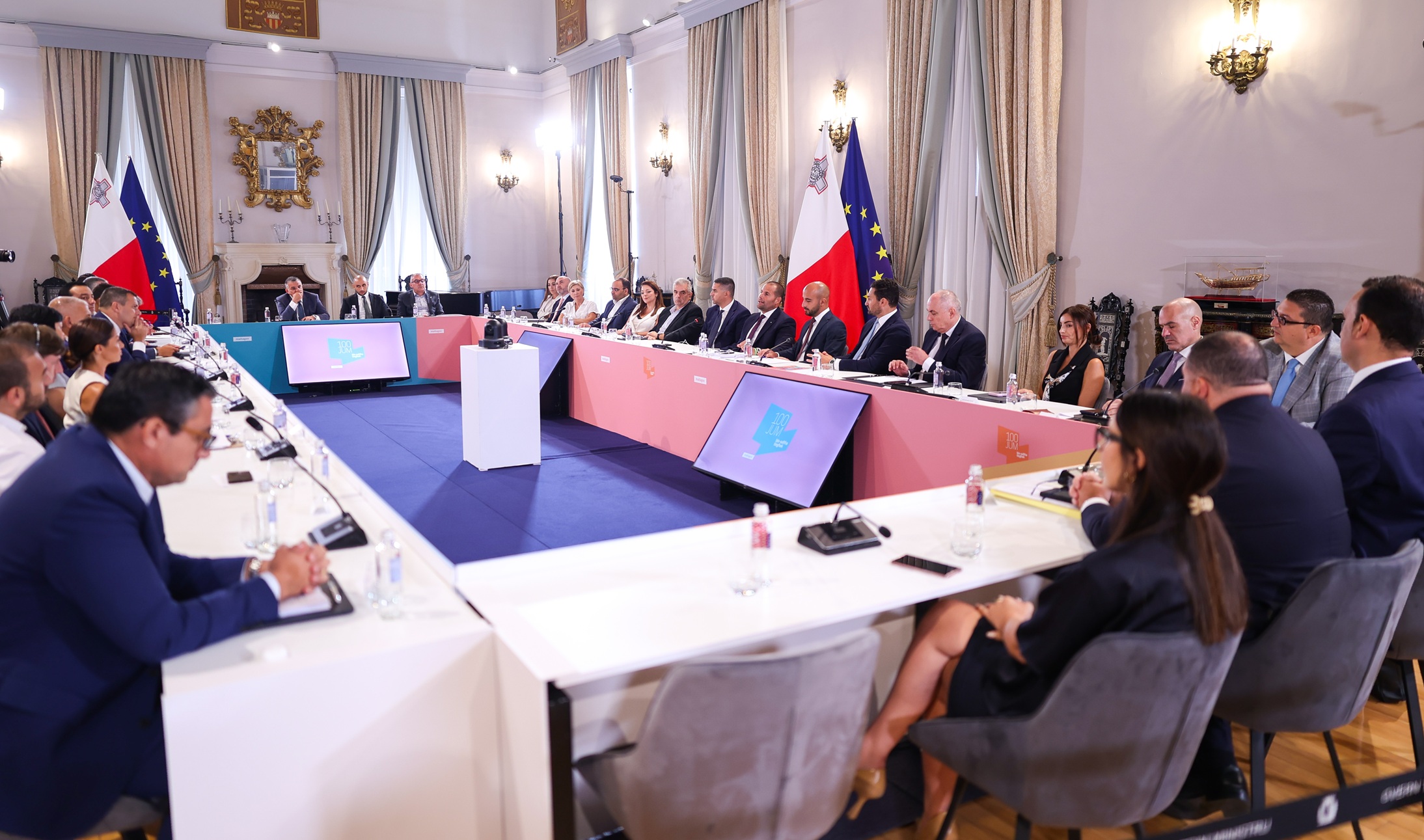
Prime Minister Robert Abela introduced new measures in an open Cabinet meeting marking the Government's first 100 days in office